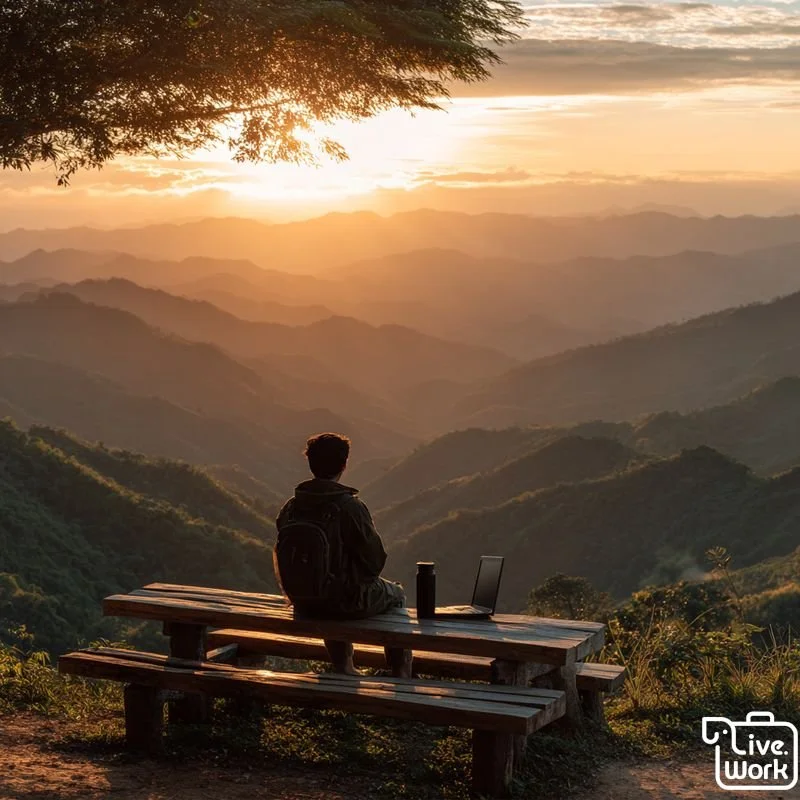
April in Chiang Mai: How to Find Cool Air, Shade, and Balance in the Hottest Month
Chasing breezes in April around Chiang Mai? Go higher and go early: Doi Suthep–Pui for sunrise air, or Doi Inthanon for cooler forest walks and misty boardwalks. When the heat spikes, hide out in deep shade at Queen Sirikit Botanic Garden or along a leafy lakeside path. Take a true midday reset (11:30–15:00), then come back out for sunset—arrive 30–45 minutes before golden hour for the best light and cooler temps.
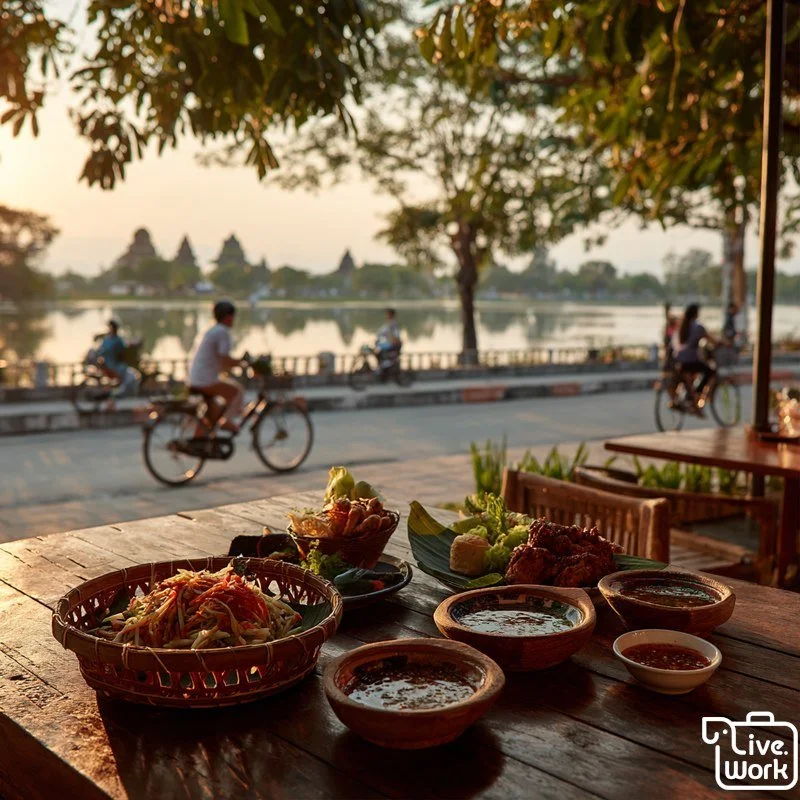
Khon Kaen: An Easygoing Isan City of Food, Lakes, and Unhurried Weekends
Khon Kaen does weekends the easy way: great Isan food, breezy parks, and zero rush. Grab som tam + gai yang, then wander around Bueng Kaen Nakhon Lake for sunset light and calm city views. Getting around is simple—Grab and songthaews cover most spots, and day trips to Ubolratana Dam or Phu Wiang are totally doable.
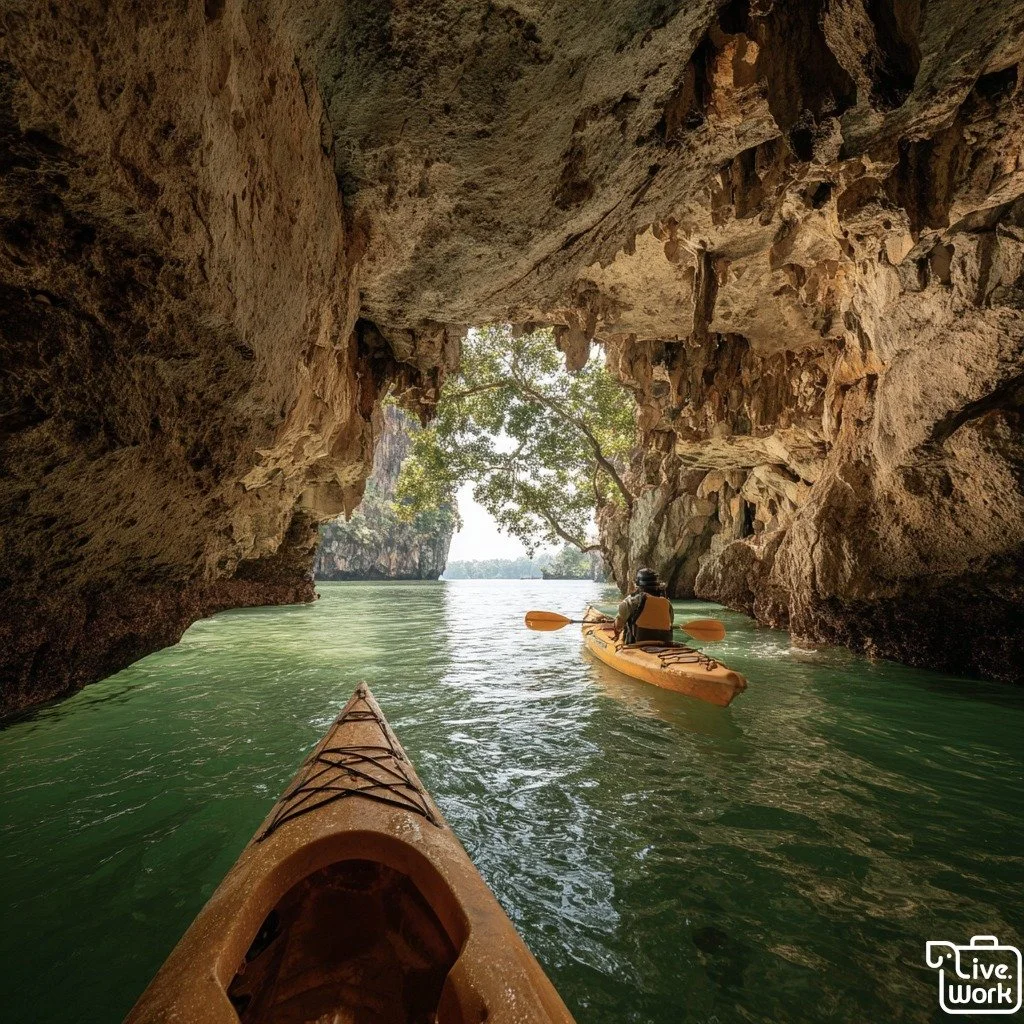
Phang Nga Bay: Kayaking Through Thailand’s Limestone Dreamscape
Phang Nga Bay is all limestone cliffs, glassy lagoons, and mangrove channels that feel miles away from the busy beaches. Go early (7–9 AM) for the calmest water and soft light, or late afternoon (after 3:30 PM) to miss the biggest crowds. Pick an ethical tour: small groups, kayak-focused routes, refill stations instead of single-use plastic, and guides who protect caves, wildlife, and local livelihoods.
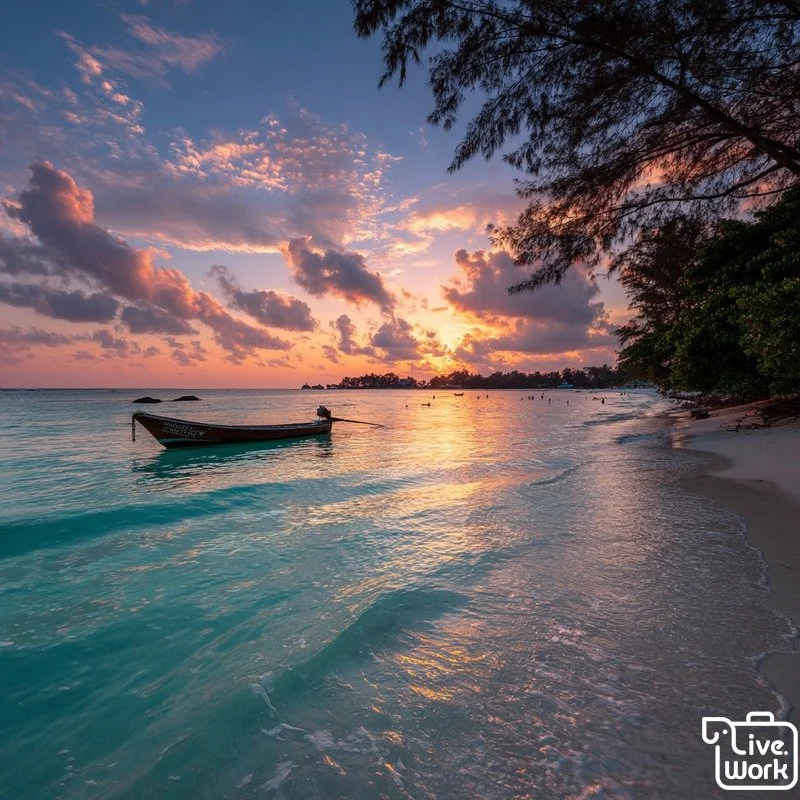
Koh Lipe: Thailand’s Small Island with Big Energy, Clear Water, and Walkable Beauty
Koh Lipe is tiny, lively, and ridiculously clear—one of those islands where you can swim, snack, and watch the sky change color all within a short walk. Check boat schedules early (and reconfirm the day before), because seasonal seas can shift departure times fast. For calmer swims, choose your beach by wind: Sunrise Beach often feels smoother when the west is windy, while Pattaya/Sunset can be your go-to when the east side gets choppy. Snorkel reef-safe with a rash guard or mineral sunscreen, and keep fins up—no standing on coral.
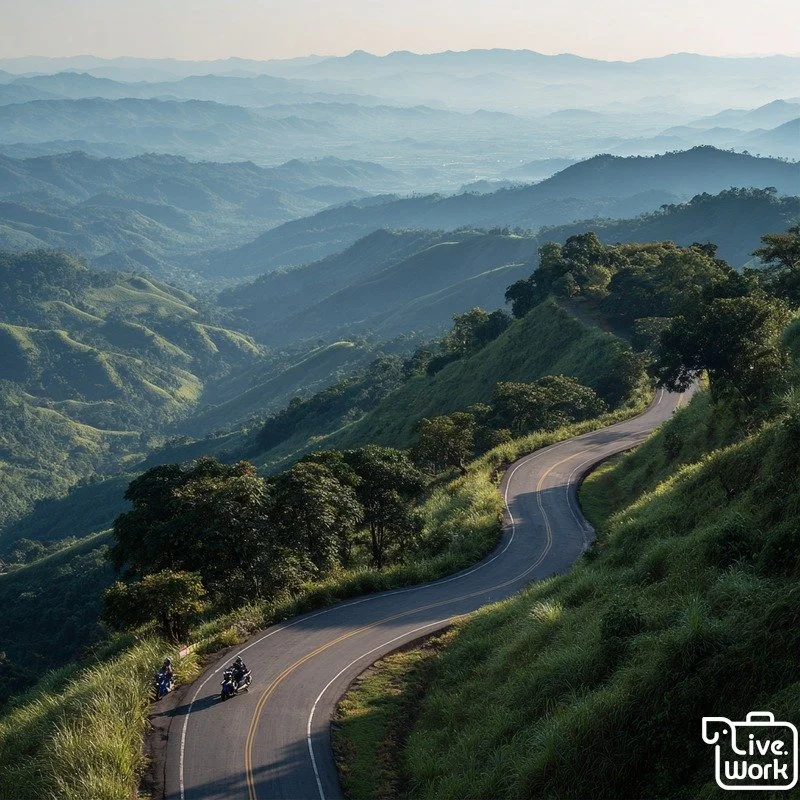
Chiang Mai to Pai Road Trip: How to Enjoy the Curves, Stay Comfortable, and Make the Journey Part of the Experience
Chiang Mai to Pai is one of Northern Thailand’s most scenic rides—if you pace it right. Plan quick breaks every 45–60 minutes: a viewpoint pull-off for fresh air, Mok Fa Waterfall for a short reset walk, and a café stop for ginger tea and light snacks. With just one night in Pai, aim to arrive by early afternoon for Pai Canyon at sunset and the Night Market after. Sunrise the next morning is your bonus before you roll on.
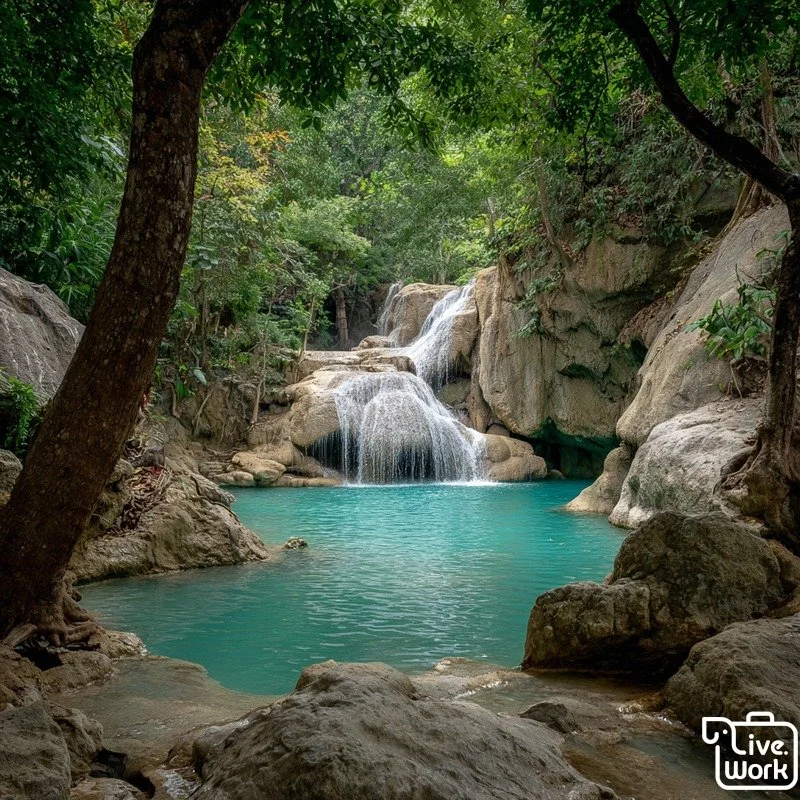
Erawan Waterfall Guide: How to Choose the Right Tier for Your Perfect Day
Picking your Erawan Waterfall stop is all about your vibe. Levels 1–2 are easiest for a quick dip and casual photos, but they’re the busiest. Levels 3–4 usually have the best mix of turquoise water, swim-friendly pools, and cleaner photo angles. If you want a quieter jungle feel, push to 5–7 early with grippy water shoes and a small dry bag for your phone and cash.
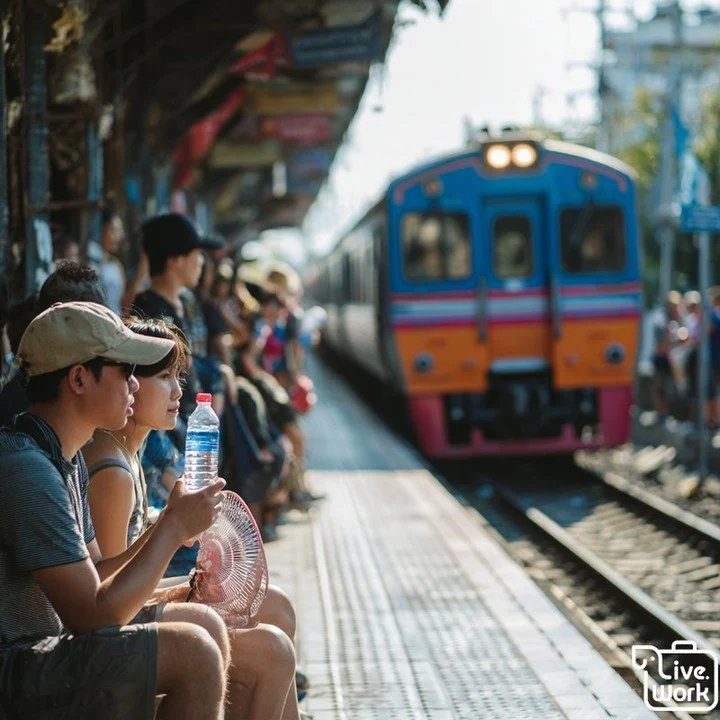
Bangkok Day Trips by Train: Easy, Scenic Escapes Without a Car
Bangkok’s best day trips don’t need a car—just hop on a train and go. Ayutthaya is perfect for temple ruins and a riverside sunset, while Nakhon Pathom is an easy ride for a market lunch plus the iconic Phra Pathom Chedi. Want something different? Lopburi makes a fun old-town stroll (go early, it gets hot fast).
Pro tips: arrive 30–45 minutes early on weekends, aim for a 7–9am departure, and bring water + a small towel for the platform heat.
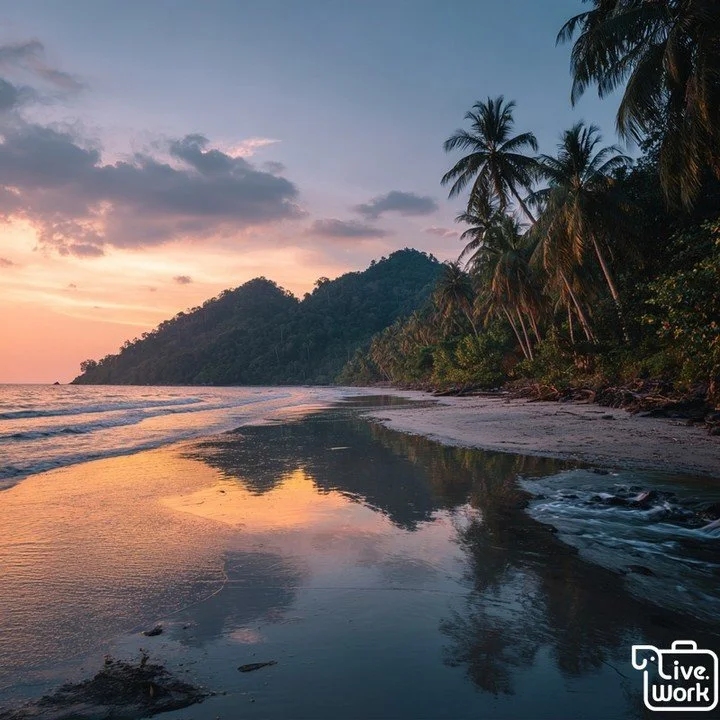
Koh Chang: Thailand’s Jungle Island Where Nature Shapes Your Days
Koh Chang is the perfect “jungle meets beach” island—waterfalls and viewpoints in the morning, toes-in-the-sand afternoons after. Base yourself in Klong Prao for easy access both north and south, or choose White Sand for convenience and nightlife. Rent a scooter if you’re experienced, otherwise use the songthaews along the ring road and confirm the fare before you go. Finish each day with a sunset swim and fresh seafood by the shore.
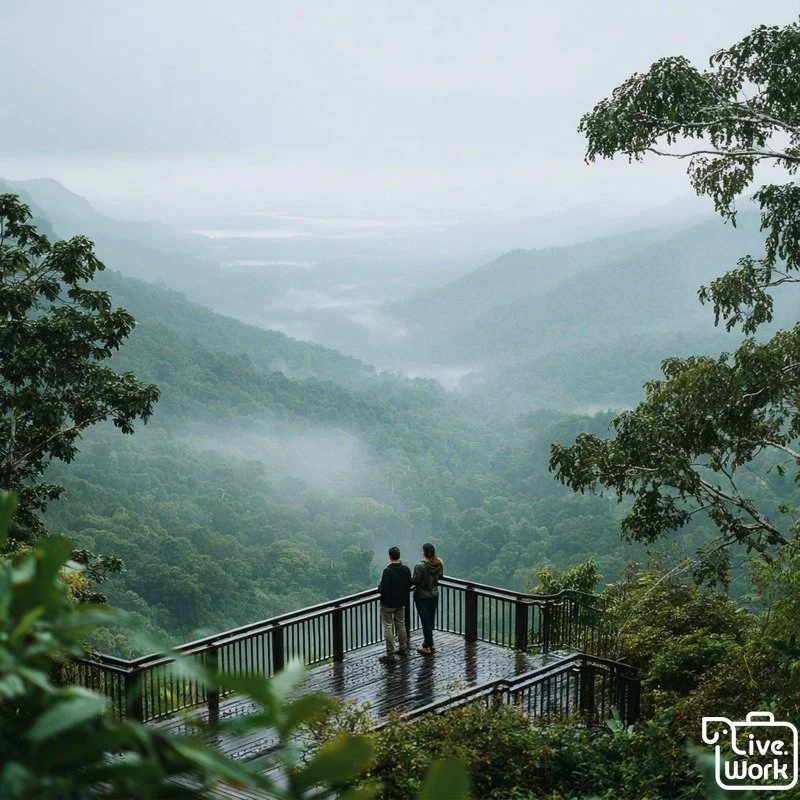
Khao Yai Weekend Guide: An Easy Nature Escape from Bangkok
A simple Khao Yai weekend = nature time + café time + easy viewpoints. Day 1: arrive from Bangkok, do Haew Suwat Waterfall, then catch golden hour at a scenic lookout before dinner. Day 2: early walk + Pha Diao Dai viewpoint, then coffee and a slow lunch in Pak Chong before heading back. Rain plan: swap trails for cozy cafés, farm stops, and come back to waterfalls right after the shower.
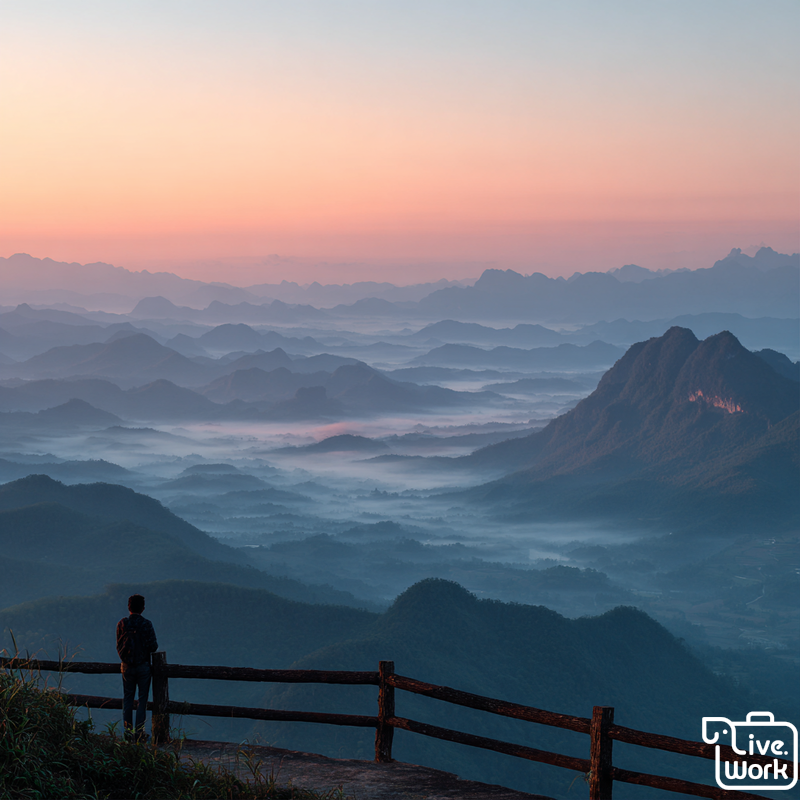
Nan Province: Northern Thailand’s Quiet Masterpiece for Slow Travel and Scenic Roads
Nan is the kind of place that makes you slow down—quiet mornings, mountain air, and roads that beg for an unhurried drive. Visit in November–February for cool weather and clear views that stretch across the ranges. Keep it simple: Wat Phumin in town, a scenic loop toward Doi Phu Kha, and one sunrise viewpoint before breakfast.
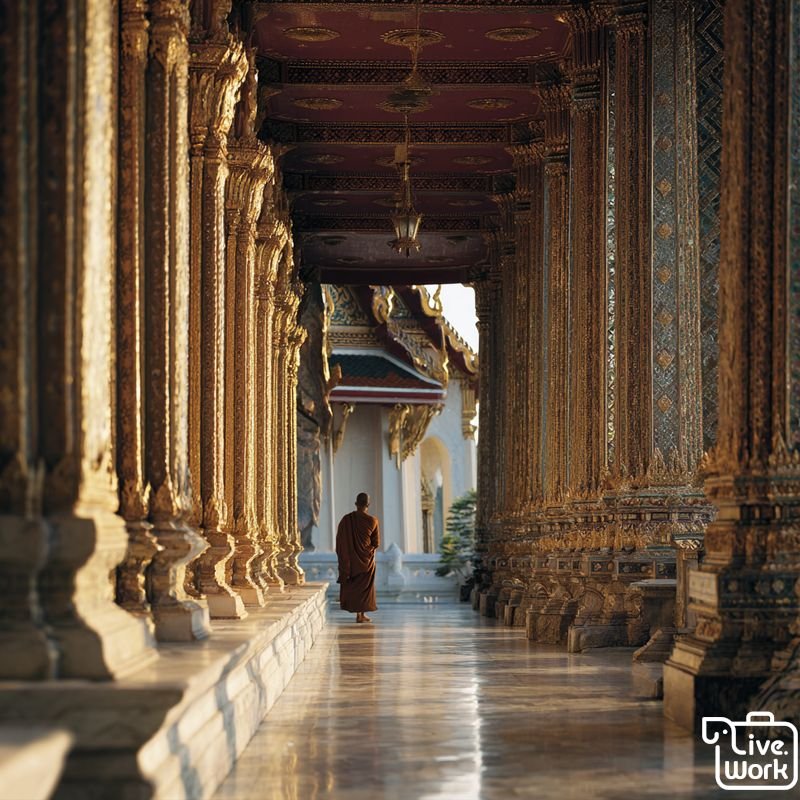
Thai Temple Etiquette: How to Visit Respectfully and Feel Comfortable in Sacred Spaces
A little temple etiquette in Thailand goes a long way. Cover shoulders and knees, slip off shoes before entering, and sit so your feet don’t point toward Buddha images or worshippers. Keep your voice and phone silent, and during ceremonies stand back, move slowly, and follow the locals’ lead. Around monks, give space and avoid contact—especially for women—by placing items down instead of handing them directly.
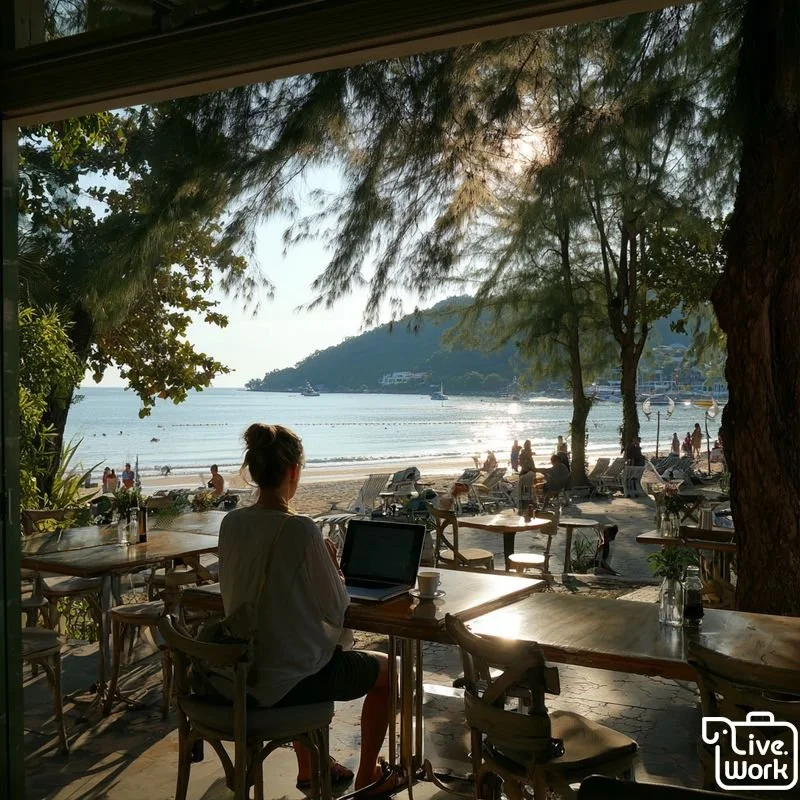
Phuket Beaches by Mood: How to Choose the Right Coastline for Your Day
Pick Phuket beaches by mood, not noise: quiet (Nai Thon/Ao Sane), social (Kata/Karon), or scenic (Freedom Beach/Nai Harn viewpoints). Sea conditions matter—Nov–Apr is usually calmer and clearer, while May–Oct can bring stronger surf and rips, so follow flags and choose sheltered bays. For sunsets, aim for about 6:10–6:45 PM and show up early for the best light. Getting between beaches is easiest by Grab/taxi or a scooter if you’re confident on hills.

Chiang Mai’s Craft Villages: How to Visit, Learn, and Support Artisans Respectfully
Want to see Chiang Mai’s makers up close? Spend a morning in craft areas like Ban Tawai for woodwork, Hang Dong for ceramics, and Wua Lai for silver—then slow down and watch the process unfold. Always ask before taking photos or video, and keep a respectful distance from wet clay, hot kilns, or sharp tools. When you buy, choose pieces where you can meet the maker or learn the steps, and ask: “What materials are used?” and “How long did this take?”
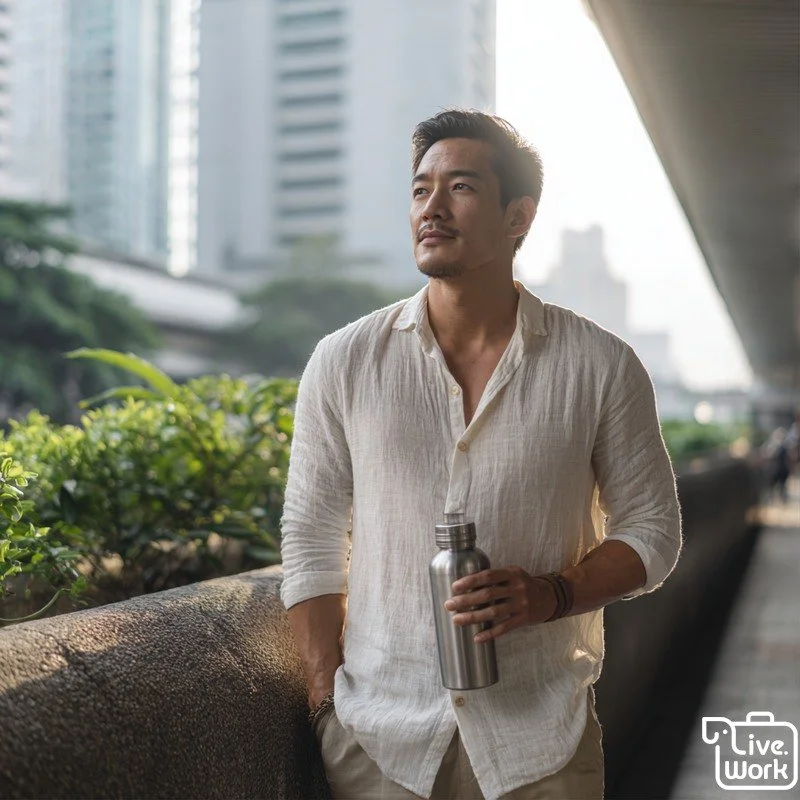
Beating the Bangkok Heat: Practical Strategies for Staying Comfortable in Thailand’s Tropical Capital
Bangkok’s midday heat is real—so dress and plan like a local. Go for breathable linen/quick-dry, light colors, and comfy shoes, then keep a cold bottle + electrolytes on hand. Run errands early or late, and use the hottest hours for indoor escapes like BACC, air-conditioned markets/malls, or a long café break. If you want outdoors, choose shaded parks and take it slow.
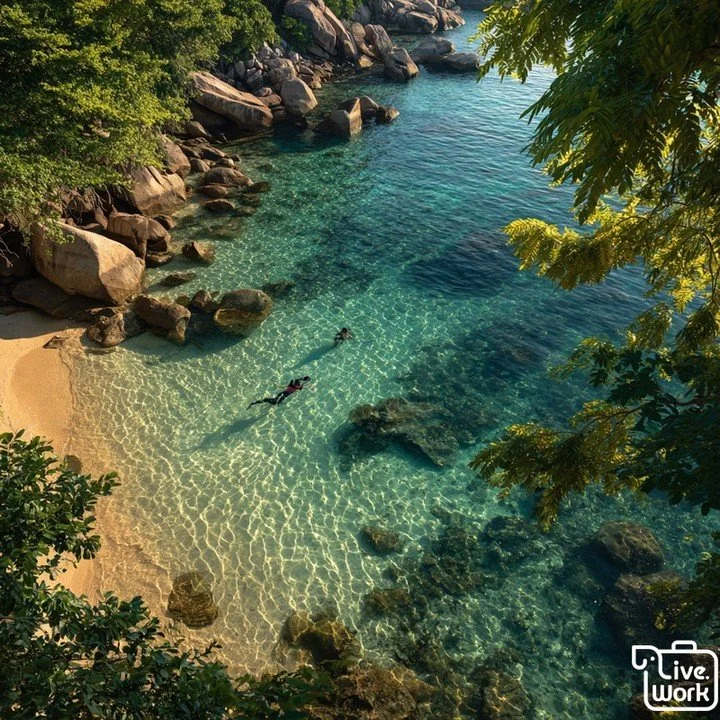
Snorkeling in Koh Tao: A Beginner-Friendly Guide to Safe, Reef-Respectful Exploration
If you’re a beginner on Koh Tao, pick sheltered bays with sandy entry points and shallow water so you can relax and practice breathing. Before you snorkel, watch the surface for whitecaps, check wind direction, and ask locals about currents and boat traffic. Keep it reef-safe: float above the coral, never stand on it, and use reef-safe sunscreen or cover up with a rash guard. When renting gear, test the mask seal, check the snorkel mouthpiece, and make sure fins fit comfortably.
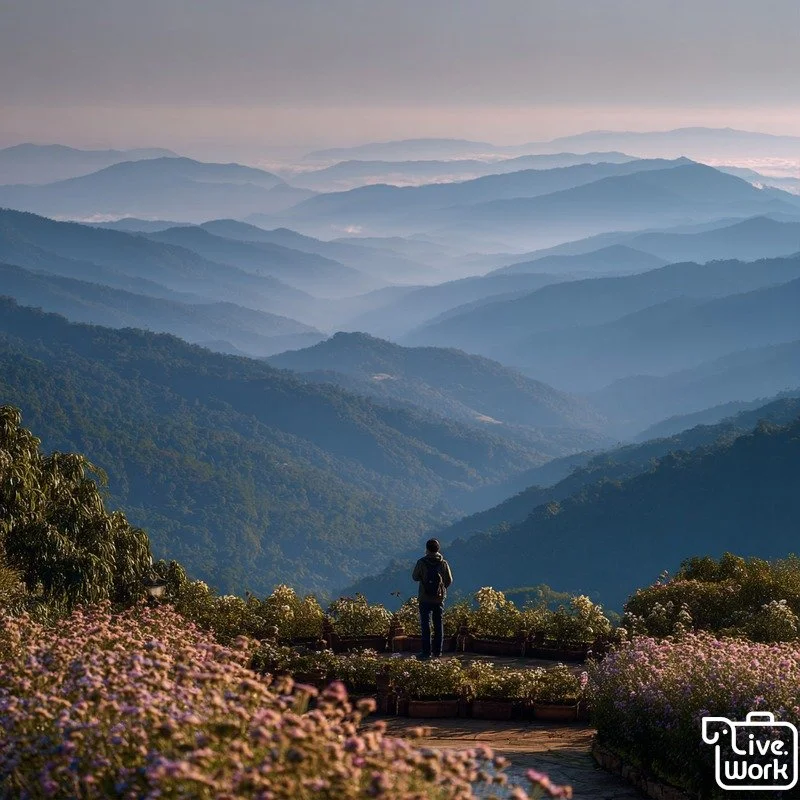
First-Time Guide to Doi Inthanon: Thailand’s Highest Peak, Waterfalls, Pagodas, and Cool Mountain Air
Doi Inthanon is the easiest “cool air escape” from Chiang Mai—and it’s worth planning your timing. For a first visit, hit the King & Queen Pagodas early, then swing by Wachirathan Waterfall before the late-morning tour rush. Save the Royal Project Gardens and the Ang Ka Nature Trail for later when the crowds thin and the light turns softer. Expect it to feel much cooler at the top (often 10–18°C, sometimes lower with wind), so pack a light jacket and grippy shoes.
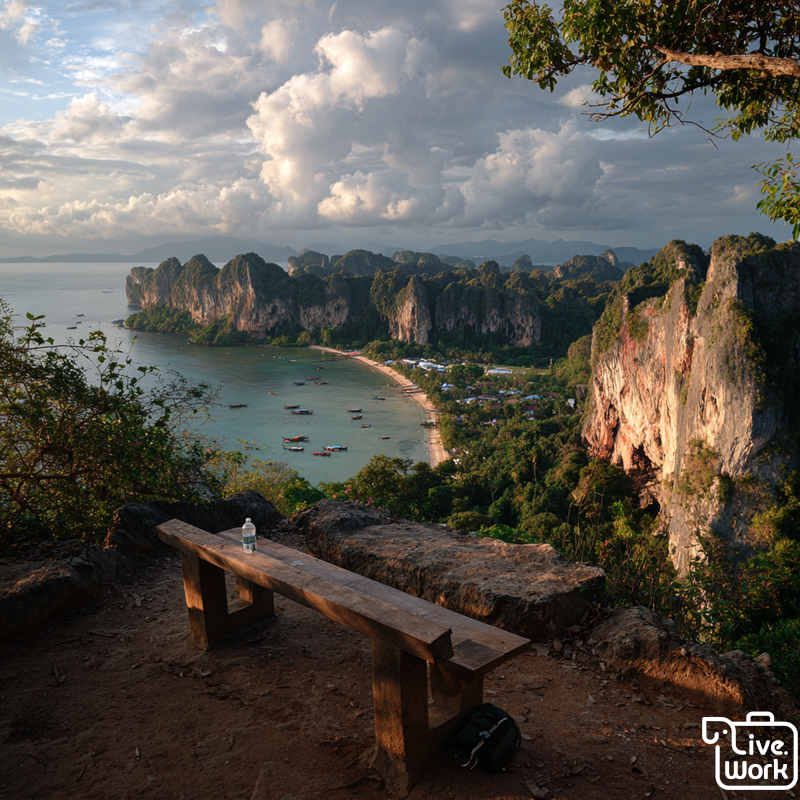
Krabi’s Best Easy Viewpoints: Big Andaman Scenery Without the Exhausting Hike
Big Krabi scenery doesn’t have to mean a big hike. Catch cooler air and softer light by going early morning or late afternoon, then enjoy easy-access lookouts over limestone cliffs and the Andaman Sea. Bring water even for short stops, and choose grippy footwear for steps and slick paths. Be respectful around temples and local areas—quiet voices, modest attire, and no litter.
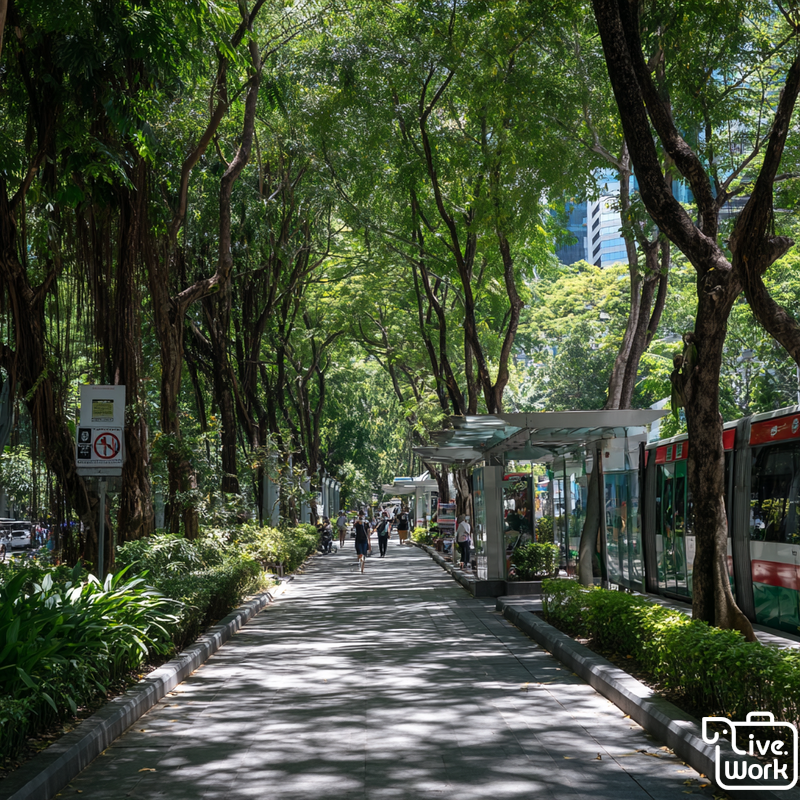
Exploring Bangkok on Foot: A Beginner-Friendly Guide to the City’s Most Walkable Neighborhoods
Bangkok is more walkable than you think—if you pick the right neighborhoods. Try Ari for leafy streets and café shade breaks, or Old Town (Rattanakosin) for temple courtyards that feel like built-in rest stops. Prefer modern comfort? Phrom Phong has wide sidewalks, A/C malls, and Benchasiri Park nearby. Cross only at signals/bridges, watch for motorbikes in side lanes, and start early to beat the heat.
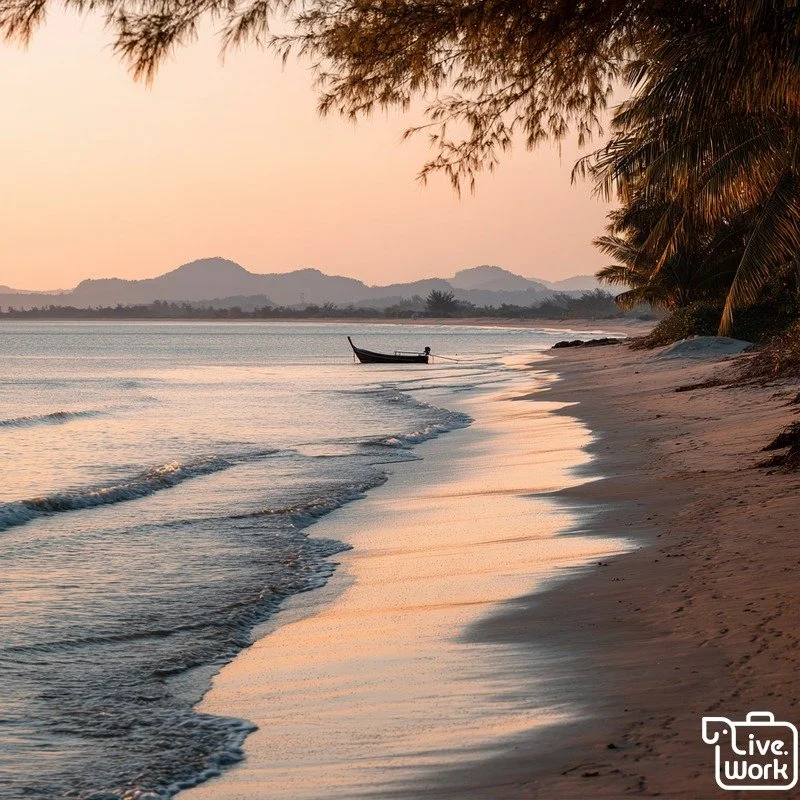
Koh Lanta: Thailand’s Calm Island Escape of Long Beaches, Quiet Sunsets, and Easy Island Hopping
Koh Lanta is the island version of taking a deep breath and letting it out slowly. Spend the day on Long Beach for lazy swims, then drift south for a Kantiang Bay sunset that feels unreal in the best way. The best months for calm seas are November to April—especially December to March for clear water and smooth rides. For low-effort adventures, pop over to Koh Rok for snorkel-blue shallows or wander Lanta Old Town for an easy afternoon of cafés and pier views.
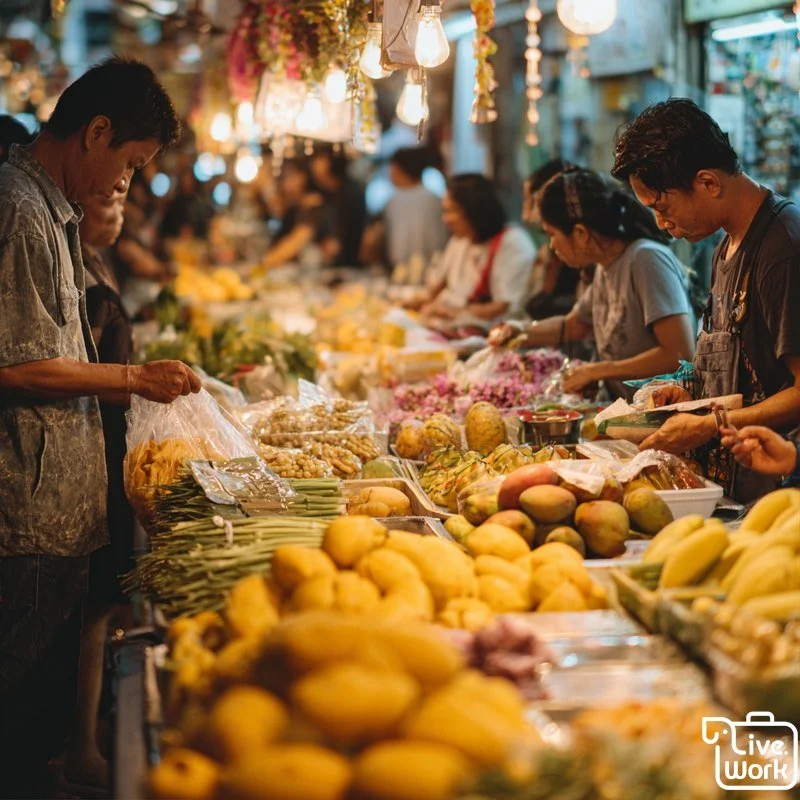
Thai Fresh Markets & Street Stalls: Etiquette Tips for a Smooth, Friendly Experience
Browsing Thai markets is part of the fun—just keep it courteous and you’ll get the best experience. Stand to the side so others can pass, and follow the (sometimes unspoken) queue order. Point with an open hand, not a finger, and let the vendor handle the food unless tongs are provided. Try: “Tao-rai khrap/ka?” to confirm the price before you pay.