Snorkeling in Koh Tao: A Beginner-Friendly Guide to Safe, Reef-Respectful Exploration
Among Thailand’s tropical islands, Koh Tao stands out as one of the easiest places to begin snorkeling. Known for its clear water, vibrant reefs, and accessible bays, the island offers ideal conditions for people who want to explore marine life without needing advanced diving skills.
But while Koh Tao is beginner-friendly, the best experiences come from understanding a few fundamentals: choosing the right location, checking conditions carefully, and following reef-safe habits that protect the underwater ecosystem.
With a little preparation, snorkeling here becomes both safe and unforgettable.
Why Koh Tao Is Ideal for First-Time Snorkelers
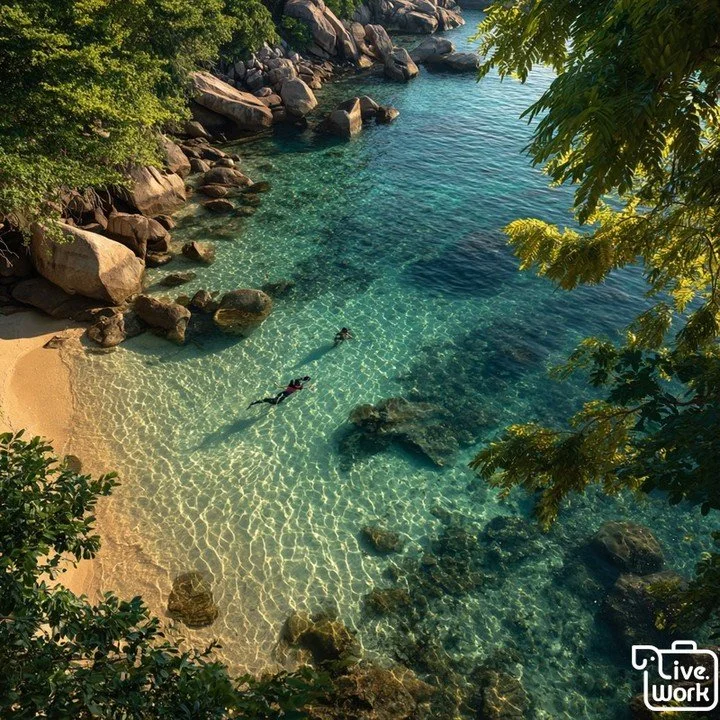
Koh Tao’s coastline features numerous protected bays where coral reefs sit close to shore. Unlike many destinations that require boat trips to reach snorkeling spots, several areas allow visitors to simply walk into the water and begin exploring.
Key advantages include:
Clear water with strong visibility
Coral reefs located near beaches
Calm bays that shield snorkelers from open sea swells
Because of these conditions, beginners can gradually build confidence without venturing far from shore.
Choosing the Right Snorkeling Bays
For first-time snorkelers, the most important factor is location. Sheltered bays with sandy entry points make entering and exiting the water much easier.
One of the most popular beginner locations is Ao Leuk, a calm crescent-shaped beach where reefs extend outward from the shoreline. The shallow areas allow snorkelers to stand, relax, and adjust breathing if needed.
Protected coves like this typically offer:
Gentle water movement
Gradual entry into the sea
Coral formations that begin in shallow areas
More exposed viewpoints around the island can look tempting but may experience stronger waves and currents when winds increase.
If conditions seem rough, it’s best to move to a sheltered bay instead.
How to Check Water Conditions Before Entering
Even in calm locations, conditions can change throughout the day. Before entering the water, spend a few minutes observing the surface.
Look for these signs:
Whitecaps
Small breaking waves indicate wind and rougher water, which may make snorkeling difficult.
Wind direction
Wind blowing directly into a bay can create choppy conditions.
Surface drift
If the water appears to move steadily in one direction, it may signal a current.
Watching how the water behaves for a few minutes often reveals whether the conditions are stable or shifting.
Ask Local Operators for Real-Time Information
Local dive shops and equipment rental operators often have the most accurate information about current conditions.
Before heading out, ask about:
Tide levels
Water visibility
Boat traffic in the area
Wind changes expected later in the day
These small conversations can prevent unnecessary risks and help you choose the best snorkeling time.
Reef-Safe Snorkeling Habits
Coral reefs are delicate ecosystems that can be damaged easily. Responsible snorkeling helps protect marine life while ensuring a safe experience.
Important reef-safe practices include:
Maintain distance from coral
Avoid standing or resting on reefs.
Do not touch marine life
Fish, coral, and other sea creatures should be observed but never handled.
Keep fins elevated
Kick gently and avoid scraping coral or stirring sediment.
When snorkelers move calmly and slowly, marine life is also more likely to remain nearby.
Checking Rental Equipment Carefully
If you rent snorkeling gear, inspect it before entering the water.
Key checks include:
Mask seal
Press the mask lightly against your face without the strap. If it sticks briefly, the seal is good.
Mask straps
Ensure they aren’t brittle or cracked.
Snorkel mouthpiece
Look for tears or damage that could cause leaks.
Fin fit
Fins should feel snug but not painfully tight.
Taking a moment to verify equipment prevents discomfort and interruptions once you’re in the water.
Building Confidence Gradually
For beginners, confidence grows best through gradual steps.
Start by:
Staying close to shore
Practicing breathing calmly through the snorkel
Floating and observing shallow reef areas first
Snorkeling with a partner also improves safety and enjoyment.
If conditions begin to change—such as stronger waves or reduced visibility—it’s always wise to exit the water early.
The Reward: Koh Tao’s Underwater World
When conditions align, Koh Tao reveals a vibrant underwater landscape. Coral gardens host colorful reef fish, sea anemones sway gently with the current, and sunlight creates shifting patterns across the seabed.
Even shallow snorkeling areas often contain surprising biodiversity.
With patience and careful movement, snorkelers frequently encounter:
Butterflyfish and parrotfish
Coral formations and reef structures
Small schools of tropical fish gliding across the reef
These moments are what make Koh Tao a favorite among ocean lovers.
Conclusion
Koh Tao is one of Thailand’s most accessible snorkeling destinations, especially for beginners who choose calm bays and follow reef-safe practices. By selecting sheltered locations like Ao Leuk, checking water conditions carefully, inspecting equipment, and respecting coral ecosystems, you can explore the island’s vibrant marine life with confidence. Take it slowly, stay aware of changing conditions, and you’ll discover why Koh Tao’s underwater world leaves such a lasting impression.