Chiang Mai to Pai Road Trip: How to Enjoy the Curves, Stay Comfortable, and Make the Journey Part of the Experience
The drive from Chiang Mai to Pai is one of Thailand’s most famous road trips—and also one of the most misunderstood. Yes, it’s beautiful. Yes, it’s winding. And yes, if you don’t plan it right, those curves can turn what should be a scenic highlight into an uncomfortable ride.
But with a thoughtful rhythm—early start, strategic stops, and light pacing—the journey along Route 1095 becomes one of the most memorable parts of your trip.
What Makes This Road So Special (and Challenging)
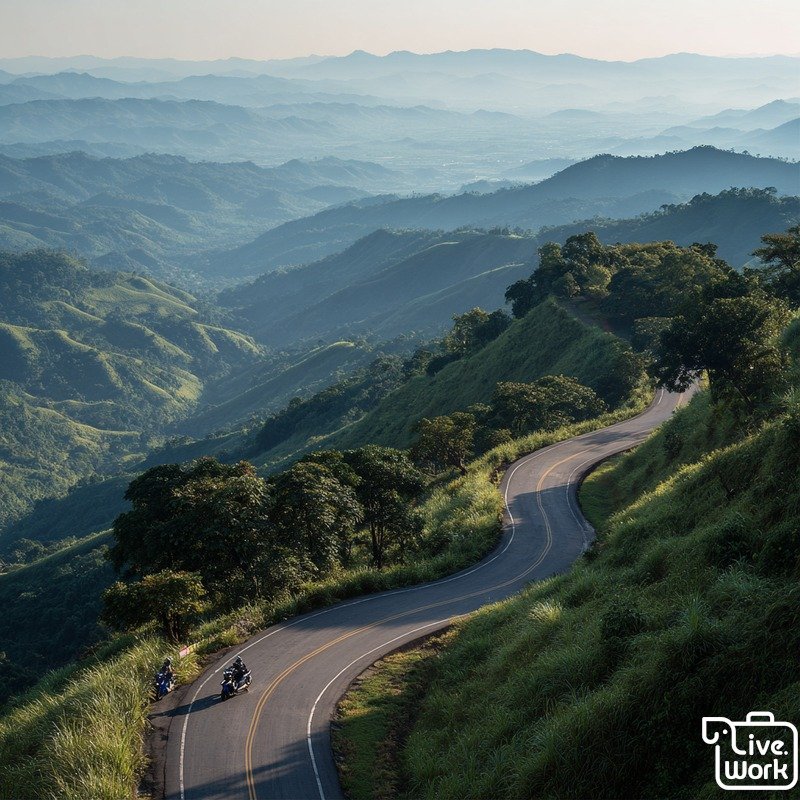
The Chiang Mai–Pai route is known for its hundreds of curves—a continuous sequence of bends that wind through mountains, forests, and valleys.
What you’ll experience:
Changing elevations and temperatures
Dense jungle giving way to open viewpoints
Quiet stretches broken by small villages and roadside cafés
The scenery is constantly shifting, which makes the drive visually rewarding—but the same curves that create those views can also cause motion discomfort, especially if you travel non-stop.
The solution isn’t to rush—it’s to break the journey into manageable, enjoyable segments.
Start Early: Set the Tone for the Whole Trip
Leaving Chiang Mai around 7:00–8:00 AM makes a significant difference.
At this time:
Traffic is lighter
Drivers don’t need to brake and accelerate constantly
The air is cooler and clearer
Your body is better prepared for motion
A smooth, uninterrupted start helps reduce the likelihood of nausea later on.
First Break: Reset Early, Not Late
After about 45–60 minutes, take your first stop—even if you still feel fine.
Why this matters:
Motion sickness often builds gradually
Early breaks help your body recalibrate before discomfort sets in
Look for a safe viewpoint pull-off:
Step out of the vehicle
Focus on a distant horizon
Take a few deep breaths
Drink water
This short reset can dramatically improve how you feel for the rest of the drive.
Mok Fa Waterfall: A Natural Mid-Journey Reset
A little further along the route, stop at Mok Fa Waterfall.
This is more than just a scenic stop—it’s a physical reset point.
What makes it effective:
A short, flat forest walk
Fresh, cooler air under tree cover
The sound of water, which helps create a calming atmosphere
Walking gently on stable ground helps your body regain balance after extended time in a moving vehicle.
Midway Pause: Café Stop Around Mae Malai
Roughly halfway through the journey, plan a longer break near Mae Malai or along the road.
This is your chance to:
Sit down properly
Rehydrate
Let your body fully reset
What to choose:
Ginger tea (often helpful for motion discomfort)
Light snacks like fruit or toast
Avoid heavy, oily meals
Eating too much—or the wrong kind of food—can make the second half of the drive more difficult.
Keep a Steady Rhythm: Break Every 45–60 Minutes
Instead of pushing through, follow a simple pattern:
Drive for 45–60 minutes
Stop for 10–15 minutes
Repeat
This pacing:
Prevents buildup of discomfort
Keeps energy levels stable
Turns the trip into a series of small experiences rather than one long stretch
Transport Tips: Where You Sit Matters
If you’re traveling by minivan:
Sit near the front for the smoothest ride
Avoid the back rows where motion is strongest
Keep your gaze forward rather than looking down
If you’re driving yourself:
Maintain a steady speed
Avoid sudden braking or acceleration
Take corners smoothly
The goal is consistency, not speed.
Arriving in Pai: Keep the Day Simple
If you’re staying just one night in Pai, timing is important.
Aim to arrive by early afternoon, giving you enough time to enjoy the highlights without rushing.
Afternoon Highlight: Pai Canyon Sunset
Head to Pai Canyon for sunset.
What to expect:
Narrow ridges and layered landscapes
Warm light transforming the terrain
A relaxed, social atmosphere
Arrive early to explore safely and find a comfortable spot.
Evening: Pai Night Market
After sunset, walk through the Pai Night Market.
This is where Pai’s relaxed vibe comes alive:
Street food stalls
Handmade goods
Casual seating and live music
It’s an easy, low-effort way to end the day.
Morning Reward: Sunrise Before the Return
Before heading back to Chiang Mai, start your day early again.
Find a nearby viewpoint and watch:
Mist lifting from the valleys
Soft morning light spreading across the hills
It’s a calm, quiet moment that contrasts beautifully with the journey.
What to Bring for a Comfortable Ride
Water (more than you think you’ll need)
Light snacks
Motion sickness remedies if needed
Sunglasses (to reduce visual strain)
Small towel
Keep your bag easy to access—frequent stops mean you’ll use it often.
Why This Journey Is Worth It
The Chiang Mai to Pai road isn’t just about reaching Pai—it’s about learning how to move through the landscape.
When you:
Slow down
Take breaks
Stay aware of your body
…the road transforms from a challenge into a highlight.
Conclusion
The Chiang Mai to Pai drive is one of Thailand’s most scenic routes, but it rewards thoughtful planning. By starting early, taking regular breaks, stopping at places like Mok Fa Waterfall, and pacing your journey along Route 1095, you can turn a potentially uncomfortable ride into a smooth and enjoyable experience. Pair the journey with a simple overnight in Pai—sunset at Pai Canyon, a stroll through the Night Market, and a sunrise viewpoint—and you’ll have a compact but unforgettable northern Thailand adventure.