Bangkok Day Trips by Train: Easy, Scenic Escapes Without a Car
You don’t need a car—or even much planning—to get out of Bangkok for a rewarding day. Thailand’s rail network makes short trips cheap, simple, and surprisingly relaxing, especially if you pick the right departure times and keep your itinerary light.
Three standout routes—Ayutthaya, Lopburi, and Nakhon Pathom—offer very different experiences, all reachable within a couple of hours by train.
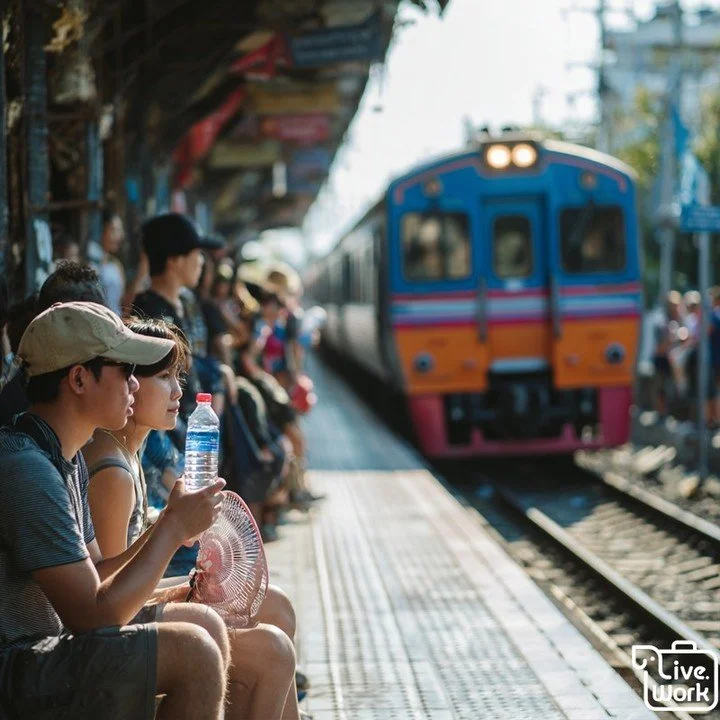
But what really makes these trips special is not just the destination—it’s the full door-to-door rhythm, from stepping onto the platform to watching the countryside roll by.
Why Take the Train? (Beyond Just Convenience)
Trains in Thailand offer something you don’t get in taxis or vans: space to observe, breathe, and transition out of the city mindset.
As you leave Bangkok, you’ll notice:
Dense urban blocks slowly giving way to canals and greenery
Small stations where locals hop on and off with market bags
Rice fields, temples, and village life unfolding outside your window
It’s a subtle shift—but it helps you feel like you’ve really left the city behind, even on a short trip.
Best Timing Strategy (This Is Crucial)
A good schedule can completely change your experience.
Ideal plan:
Depart Bangkok between 7:00–9:00 AM
Return between 2:00–4:00 PM
Why this works:
Morning trains are cooler and calmer
Attractions are less crowded early
You avoid the midday heat peak (often the hardest part of travel)
Afternoon return keeps things relaxed, not rushed
Route 1: Ayutthaya — Depth, History, and Flexible Exploration
Why Ayutthaya Stands Out
As a former capital, Ayutthaya offers one of the richest historical landscapes near Bangkok—but it’s also easy to navigate without stress.
Arriving and Getting Around
Once you arrive at the station:
Walk across the river via ferry (quick and local experience)
Choose between bike rental or tuk-tuk hire
Bike advantages:
Freedom and flexibility
Great for shaded temple roads
Tuk-tuk advantages:
Heat protection
Efficient route planning
Key Sites (Take Your Time)
Wat Mahathat
Look closely at the details—not just the famous Buddha head, but the surrounding ruins and texturesWat Chaiwatthanaram
Walk the full perimeter for different angles—light changes dramatically throughout the day
Extra Layer: Riverside Atmosphere
Between temples:
Stop for drinks by the river
Watch boats pass slowly
Enjoy shaded seating areas
These quiet pauses are what make Ayutthaya feel complete—not just the landmarks.
Route 2: Lopburi — Character, Contrast, and Curiosity
Why Lopburi Feels Different
Lopburi blends history with something unexpected: a large population of monkeys living freely in the old town.
Walking the Old Town
The area near the station is compact and easy to explore on foot.
You’ll notice:
Older buildings with a slightly worn charm
Fewer tourists compared to Ayutthaya
A more “lived-in” feeling
Monkey Zones: What to Expect
Monkeys gather near temples and historic sites
They’re used to people—but still wild
Important practical tips:
Keep bags zipped
Avoid sunglasses or loose items
Don’t engage or feed them
Why It’s Worth It
Lopburi isn’t about polished sightseeing—it’s about:
Experiencing something unique
Observing interactions between humans and animals
Enjoying a less curated destination
Route 3: Nakhon Pathom — Simple, Cultural, and Food-Focused
Why Choose This Trip
If you want a low-effort, low-stress day, Nakhon Pathom is ideal.
Main Highlight
Phra Pathom Chedi
It’s:
Visually striking
Easy to access from the station
Surrounded by local life
What Makes It Special
This trip is less about multiple stops and more about:
One central landmark
A relaxed walking loop
Good local food
Food Scene
Around the chedi:
Street stalls serve snacks, drinks, and simple meals
Local markets offer regional flavors
It’s a great place to eat slowly and try different things.
Ticket Strategy: Simple but Smart
Most tickets can be bought same day at the station
Arrive 30–45 minutes early for flexibility
For weekends or holidays:
Consider booking ahead via SRT channels
Platform Survival Guide (Underrated but Important)
Thai train stations can feel intense in the heat.
To stay comfortable:
Stand where fans are blowing
Use shaded areas whenever possible
Carry a small towel for sweat
Drink water regularly (don’t wait until you’re thirsty)
Onboard Experience: Make It Better
Small choices improve comfort a lot:
Open-window seat:
Best for airflow and viewsAir-conditioned carriage:
Better for midday travelSeat positioning:
Facing forward reduces motion discomfort
What to Pack for a Smooth Day
Refillable water bottle
Electrolytes (especially in hot season)
Sunscreen
Lightweight clothing
Cash (for tickets, tuk-tuks, food)
Portable fan (optional but useful)
Choosing the Right Trip for You
Ayutthaya: most complete experience (history + flexibility)
Lopburi: most unique and unconventional
Nakhon Pathom: easiest and most relaxed
The Hidden Benefit: Mental Reset
One of the biggest advantages of these trips isn’t obvious at first:
They reset your pace.
You leave the fast rhythm of Bangkok
You move through spaces more slowly
You return feeling like you’ve had a real break—even in one day
Conclusion
Bangkok’s train day trips are one of the easiest ways to explore Thailand beyond the capital—no car, no complicated logistics, just simple planning and good timing. Whether you’re exploring Ayutthaya’s temple ruins, wandering Lopburi’s monkey-filled streets, or enjoying the relaxed cultural loop in Nakhon Pathom, each destination offers a different kind of experience. With early departures, smart heat management, and a flexible mindset, these trips become more than just sightseeing—they become a genuinely enjoyable part of life in Thailand.