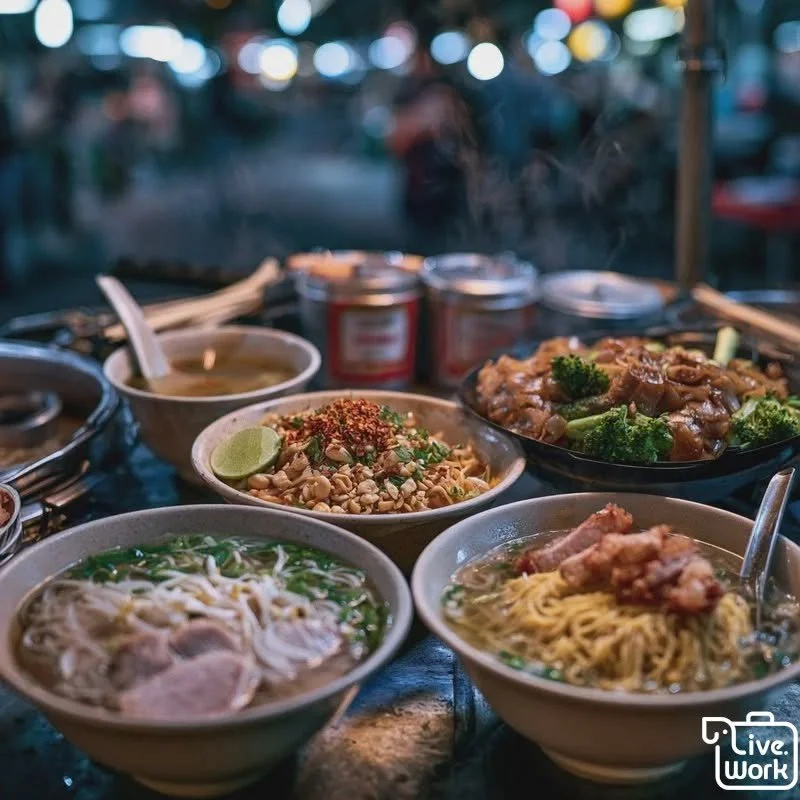
How to Order Noodles in Thailand: Noodle Types, Broths, Toppings, and Useful Thai Phrases
Thai street noodles = pick your noodle + pick soup or dry, and you’ll order like a pro. Sen lek is thin rice noodles, sen yai is wide and chewy, ba mee is springy egg noodles, and wun sen is slippery glass noodles. Want broth? Ask for “nam.” Prefer punchy sauces? Go “haeng” (dry) and season at the table with chili, vinegar, sugar, and fish sauce. If you like pho, try kuay teow nam; if you like spicy, order tom yum haeng.

Flying vs. Taking the Bus in Thailand: How to Choose the Faster and Smarter Option
Choosing between flying and taking the bus in Thailand depends on more than just the distance. For long journeys such as Bangkok to Chiang Mai or Phuket, flying can save valuable travel time. On shorter routes like Bangkok to Pattaya, Hua Hin, or Chiang Mai to Pai, buses and minivans are often simpler and more affordable. Ticket prices, luggage, comfort, airport transfers, and departure locations can all influence which option makes the most sense. This guide explains when to fly, when to stay on the road, and how to compare the true door-to-door travel time.
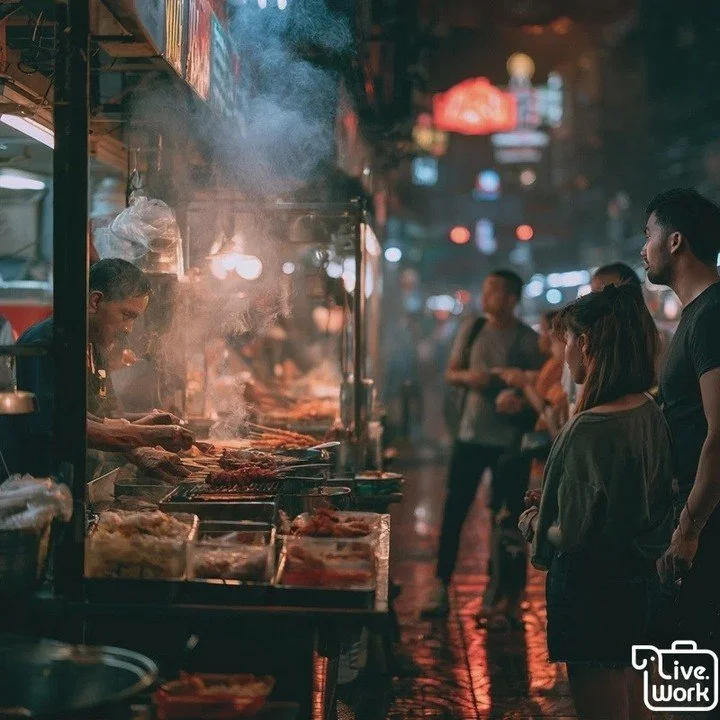
How to Choose the Best Street Food at a Thai Night Market
Night market mission: find the best Thai stalls fast with “market radar.” Follow the smoke, then check the queue—busy grills and local lines are your fastest quality shortcut. Look for fresh prep and a clean, organized setup before you commit. Order several small items across stalls so you can taste more flavors in one walk.
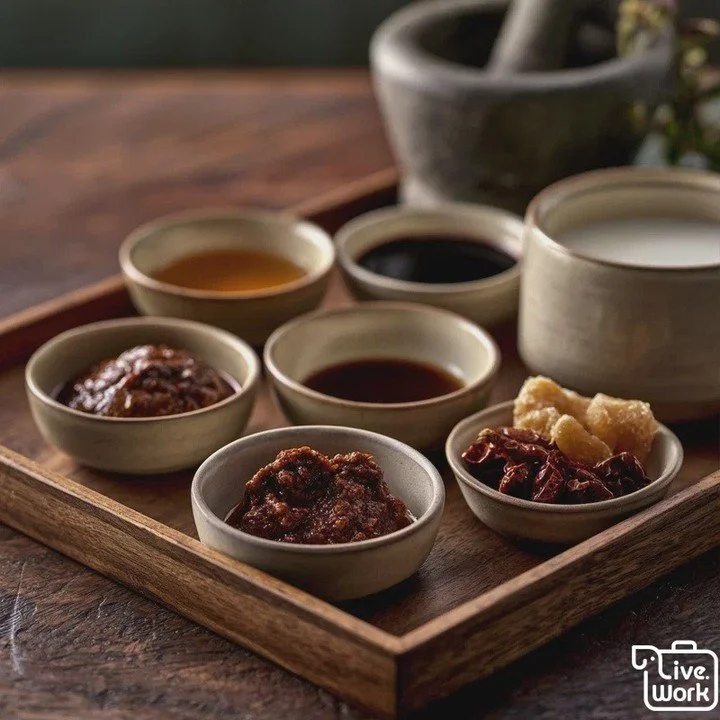
How to Stock a Thai Pantry: Essential Sauces, Curry Pastes, Coconut Milk, and Flavor Basics
Want Thai flavor at home without complicated recipes? Build your pantry with the essentials: fish sauce, soy sauce, oyster sauce, coconut milk, curry paste, palm sugar, tamarind, and dried chilies. These staples let you balance salty-sweet-sour-spicy fast—think quick curries, basil stir-fries, and tangy noodle sauces. Save this list for your next grocery run.
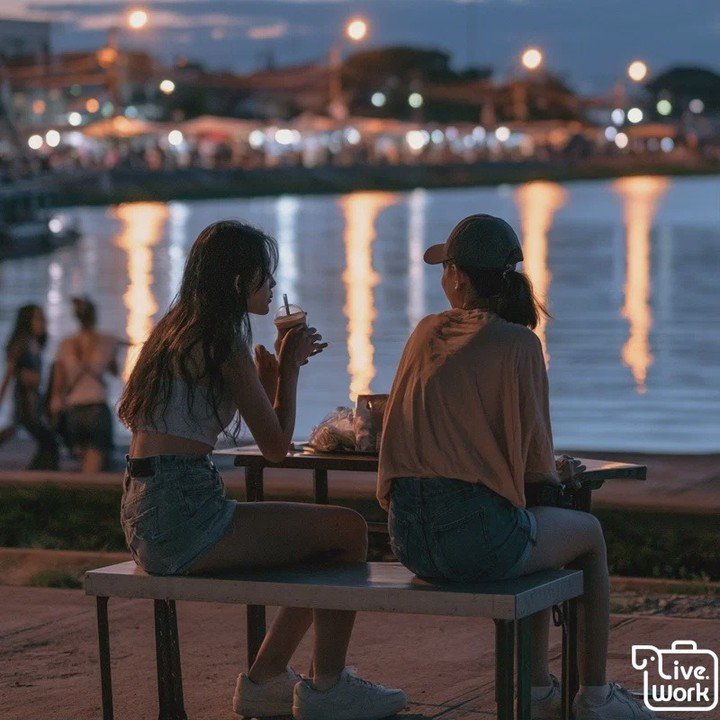
A Slow Evening in Ubon Ratchathani: Cafés, the Mun River, and Isan Night Markets
Ubon Ratchathani evenings are all about slowing down—coffee first, then a riverside walk as the city cools off. Follow the glow of the riverfront lights and let the night market aromas guide you to your next snack. It’s a simple plan, but it shows the real rhythm of Isan life. Save this for a quieter Thailand escape.
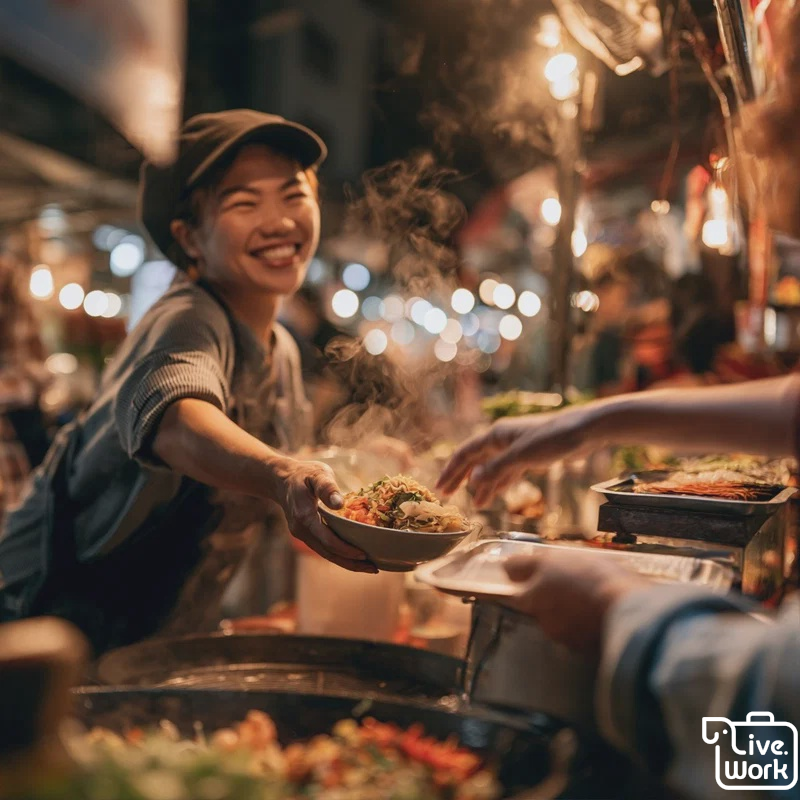
How to Order Thai Street Food Without Knowing the Dish Names
No dish name? No problem—Thai street food is easy when you order like a local. Point and say “เอาอันนี้ครับ/ค่ะ” (ao an-nii) to choose, then confirm spice with “เผ็ดไหม?” and set it with “ไม่เผ็ด” or “เผ็ดน้อย.” Always check price with “เท่าไหร่?” and end with “ขอบคุณครับ/ค่ะ.”
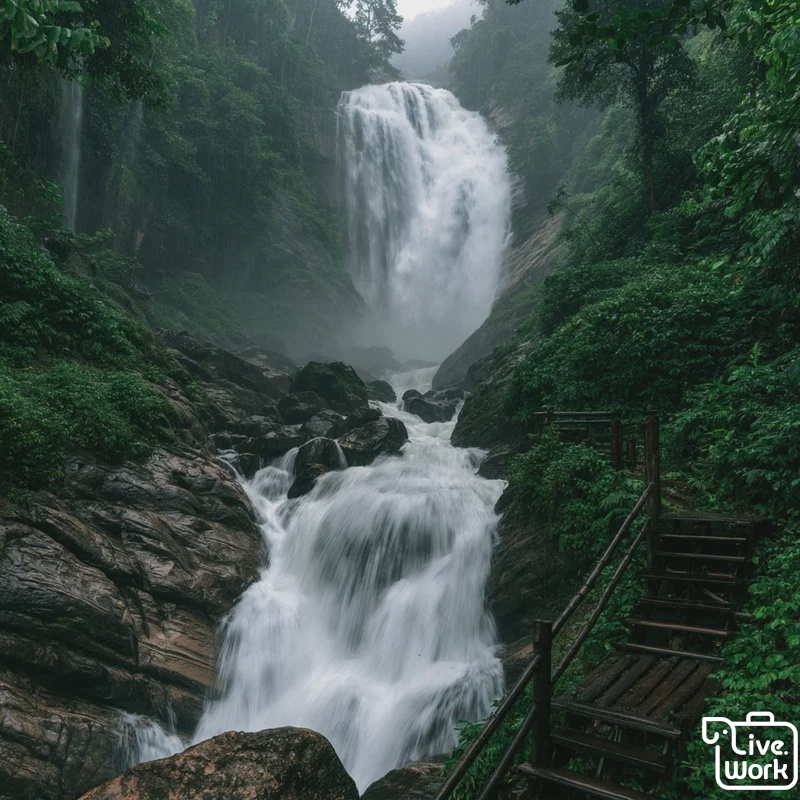
Thailand Waterfalls by Region: How to Choose the Right Waterfall for Your Trip
Choosing a waterfall in Thailand is easiest when you match it to your region: North for cool forest hikes, Central for quick park escapes, East for jungle-and-coast combos, and South for big tropical drama. If you’re traveling in rainy season, respect the water—levels rise fast and rocks get slick. Stick to marked paths, keep distance from the edge, and skip swimming when currents look strong.

Krabi’s Best Limestone Cliff Views Without a Difficult Hike
Krabi’s limestone scenery is still jaw-dropping without committing to a big hike. Stick to easy-access beaches like Railay/Phra Nang and the Ao Nang waterfront for instant cliff views with minimal walking. Go early for cooler air and cleaner visibility, then come back near sunset when the rock faces turn gold. Save your energy—Krabi’s drama is right at sea level.
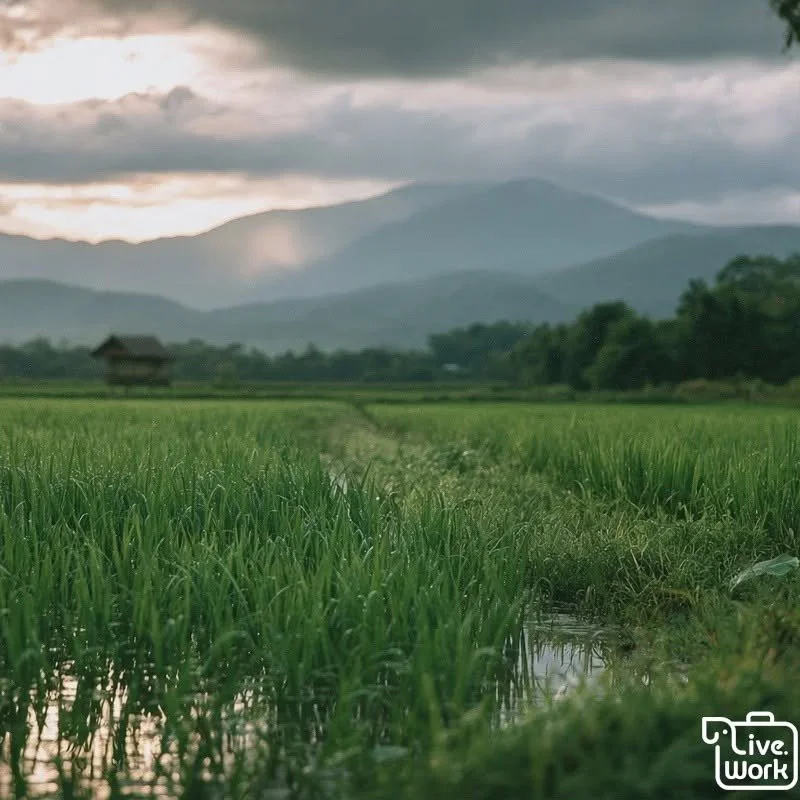
Chiang Mai in the Green Season: Rainy-Season Travel, Misty Mountains, and Smarter Planning
Green season in Chiang Mai is pure magic: everything turns lush, the air feels cooler, and the mountains slip in and out of mist. After a quick shower, the light goes soft and flattering—perfect for photos without harsh shadows. Plan with flexibility (outdoors between showers, indoor cafés/markets when rain hits) and you’ll see the North at its prettiest. Pack a light rain jacket, quick-dry layers, and a dry bag for your gear.
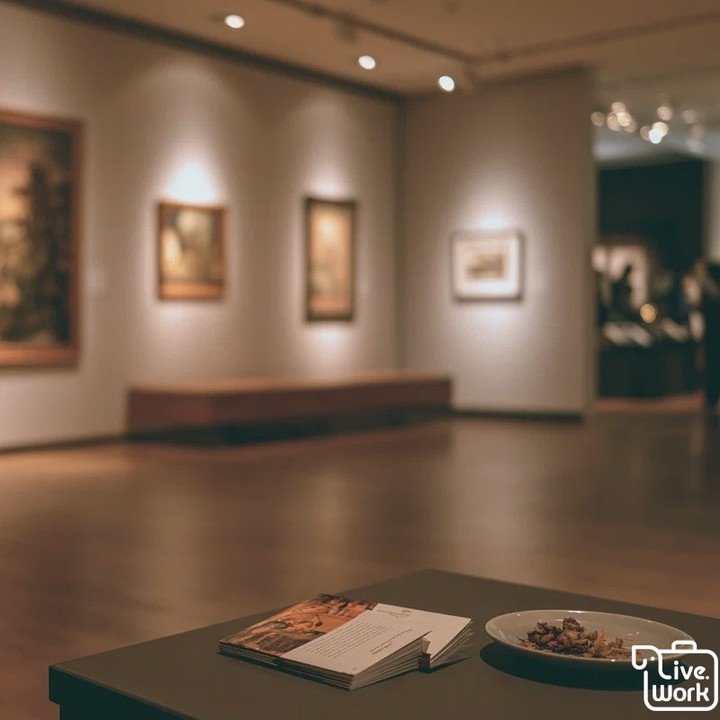
Five Bangkok Museums for a Meaningful Cultural Visit in Around One Hour
Five small Bangkok museums that fit into a busy day—each one worth about an hour. From Thai silk heritage at the Jim Thompson House to playful history at the Museum of Siam, you’ll get big culture in bite-size stops. Pair them with nearby eats: riverside sweets at Kudichin, Bang Rak comfort food near the Bangkokian Museum, and quick café fuel near MOCA. Save this for your next city day itinerary.
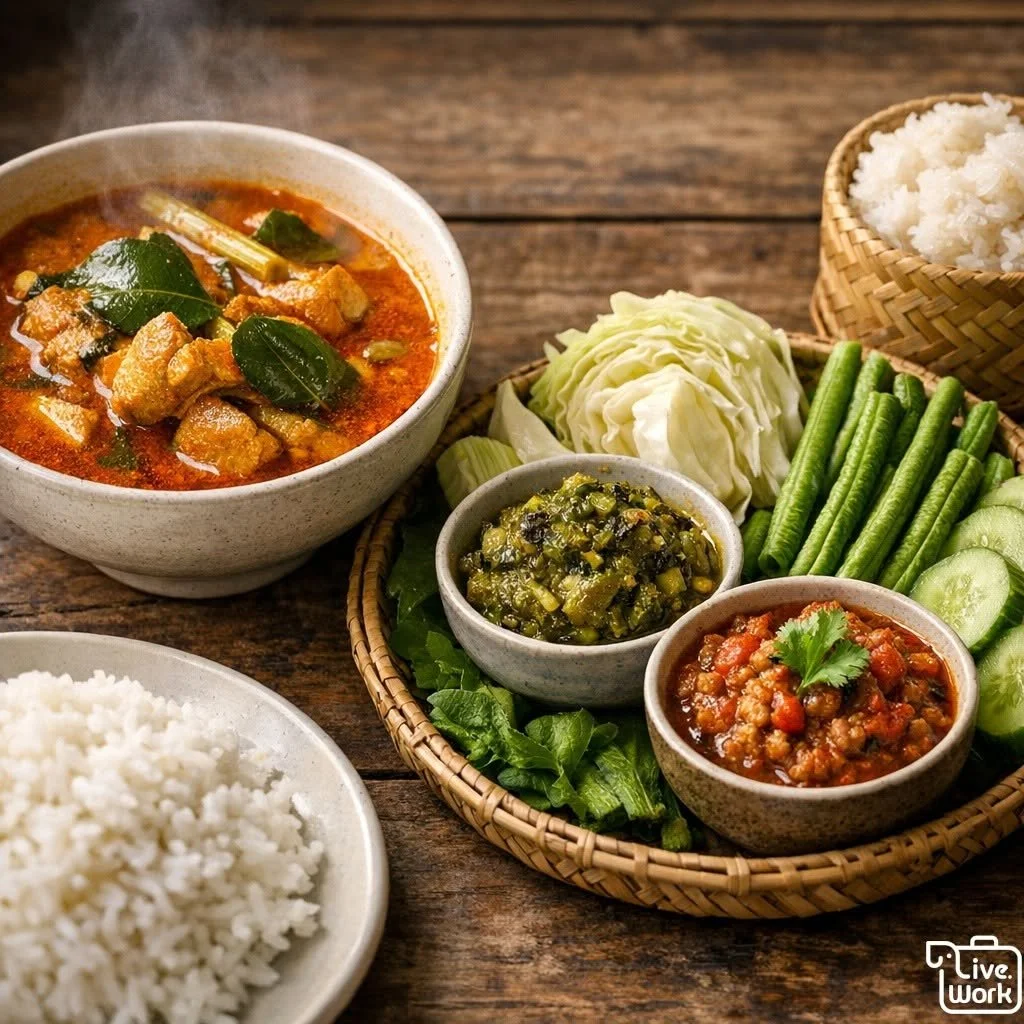
Southern Thai Curries vs Northern Thai Chili Dips: Two Very Different Kinds of Spice
Southern Thai curries are built for bold impact—think turmeric warmth, citrusy herbs, and chili heat that lingers. Northern Thai dips go a different route: smoky roasted chilies, herb freshness, and a thicker texture made for sticky rice and crunchy veg. If you love sour-spicy intensity, head south; if you prefer savory-smoky and dippable, go north.
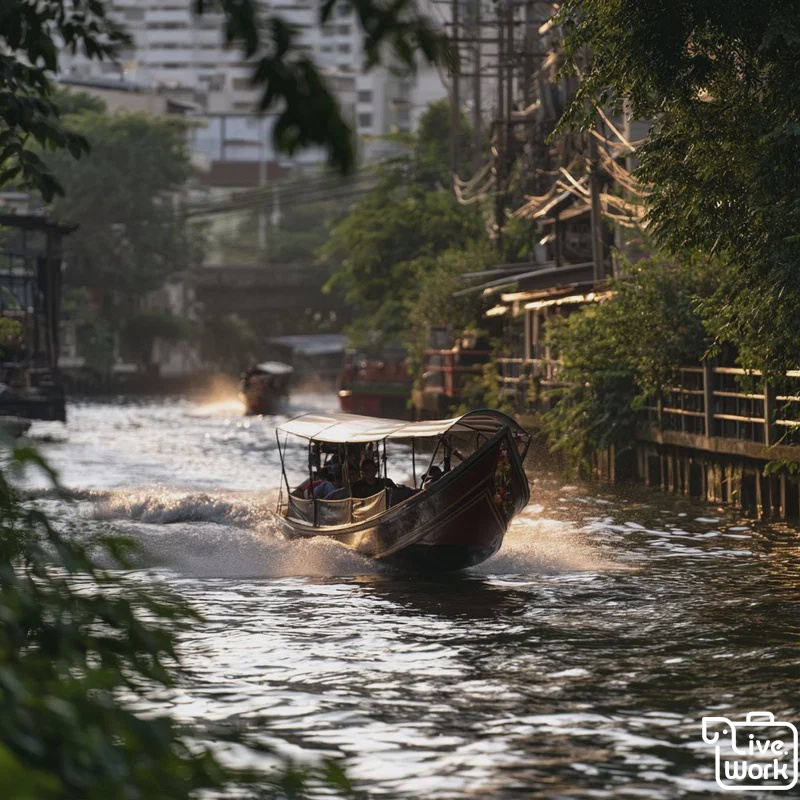
Bangkok Canal Boats: How to Ride the Khlong Saen Saep Express Boat with Confidence
Skip the gridlock and try Bangkok’s canal boats for a commute that feels like a hidden local shortcut. You’ll pay onboard, stop fast at the piers, and skim through the city at water level. Keep one hand on the rail, step on decisively, and stand back from the edge when the wake kicks up. Pro tip: the crew’s pull-up tarp is your best friend—follow their cues and you’ll stay dry.
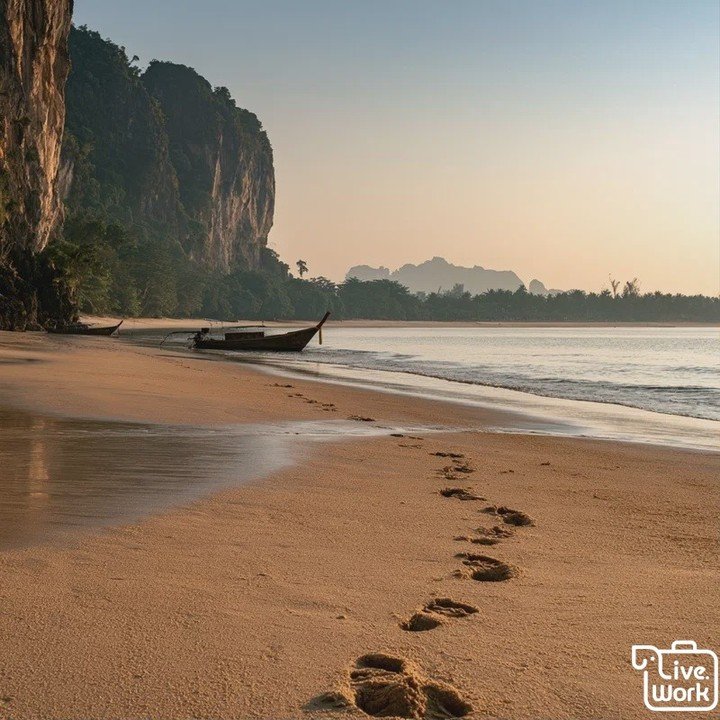
Phuket or Krabi: Which Southern Thailand Base Is Right for Your Trip?
Phuket vs. Krabi comes down to your travel personality. Want beach variety, easy transport, and nightlife that goes late? Base yourself in Phuket. Prefer epic limestone cliffs, calmer evenings, and day trips that feel closer to nature? Krabi is your match.
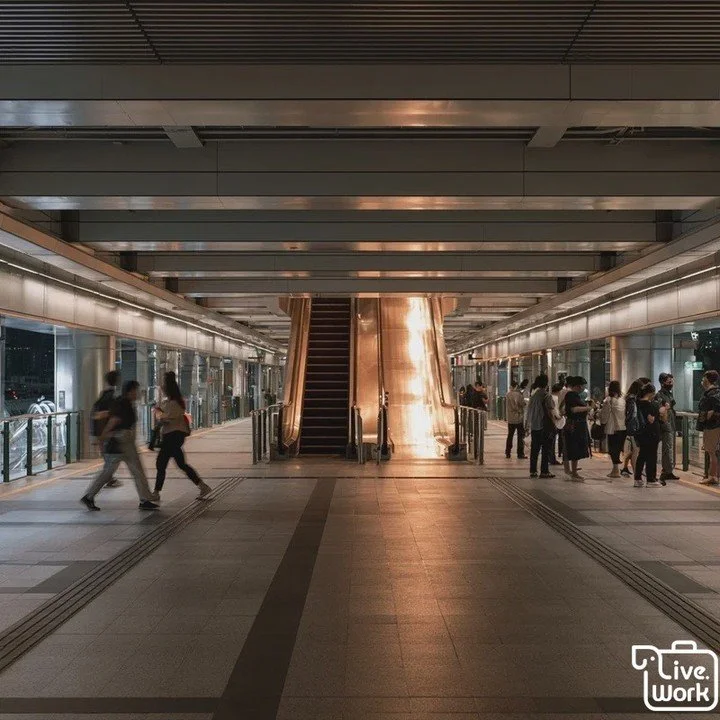
How to Use Bangkok’s BTS and MRT Faster: Platform Positioning, Transfers, Exits, and Commuter Etiquette
Bangkok BTS/MRT hack: your car position can save you minutes on every transfer. Aim for cars closest to the escalator/stairs that lead to the interchange, and you’ll exit straight into the corridor instead of swimming through crowds. To avoid the worst squeeze, try boarding a couple cars away from the busiest exits and keep your bag in front when it’s packed. Escalator rule of thumb: stand right, walk left—and always respect priority seats.
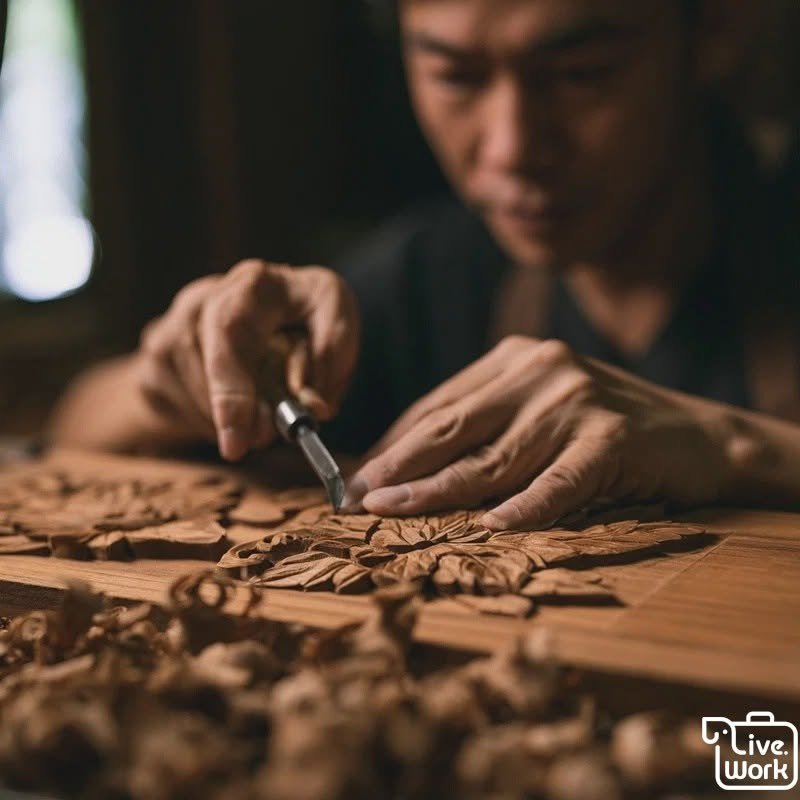
Chiang Mai Craft Villages: How to Visit Woodcarvers, Ceramic Studios, and Weaving Communities Respectfully
In Chiang Mai’s craft villages, the magic is in the process—listening to the loom, watching clay take shape, seeing wood come alive under a chisel. Visit studios that welcome observers and keep your presence gentle: greet, ask where you may stand, and don’t interrupt the rhythm of the work. Want a photo? Ask first, show them the shot if they’d like, and put the camera away if they decline. The best support is direct and fair—buy from the maker, pay the stated price, and consider a hands-on workshop.
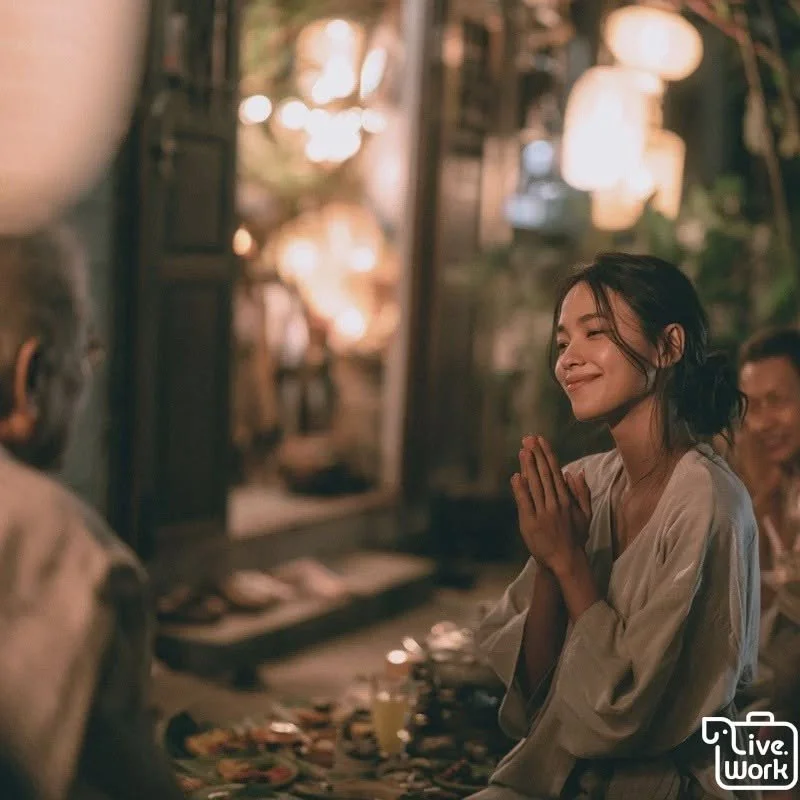
How to Join a Local Thai Event Respectfully: Etiquette for Ceremonies, Community Gatherings, and Family Occasions
Want to be a great guest at local Thai events? Dress modestly, bring an easy-to-remove pair of shoes, and offer a gentle wai with a smile—especially to elders. When food or drinks are offered, accept with your right hand (or both hands) and try a small portion to show appreciation. Watch how locals begin meals and follow their lead.

Thailand’s Quiet Islands: Koh Yao Noi, Koh Mak, and Koh Kradan Compared
Looking for Thailand beyond the party islands? Put Koh Yao Noi, Koh Mak, and Koh Kradan on your “quiet days” list—think fewer cars, calmer beaches, and evenings that feel unhurried. Ferries are straightforward via Phuket (Koh Yao) or Trat (Koh Mak/Kradan routes), but check schedules because some runs are limited. Best seas are often Nov–Apr; the off-season can be beautifully empty, with weather that’s more changeable.
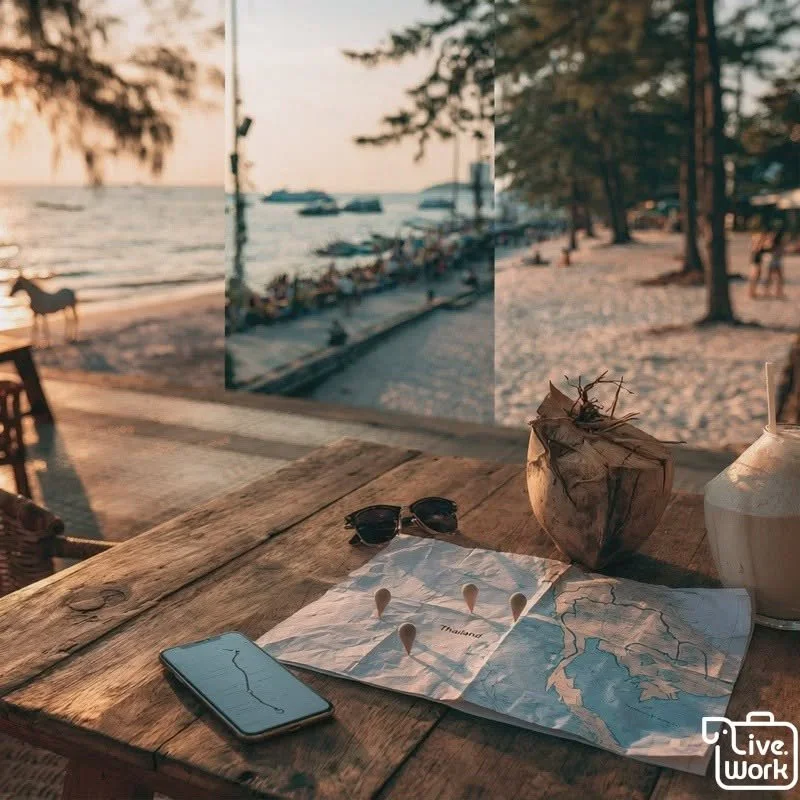
Hua Hin, Pattaya, or Rayong: Which Bangkok Weekend Escape Is Right for You?
Bangkok to beach in one weekend—so which coast fits your vibe? Hua Hin is for relaxed seaside strolling, cafés, and an easygoing, classic resort feel. Pattaya is the high-energy pick with loads of food, activities, and crowds to match. Rayong is your quieter reset: local seafood, calmer beaches, and more breathing room.
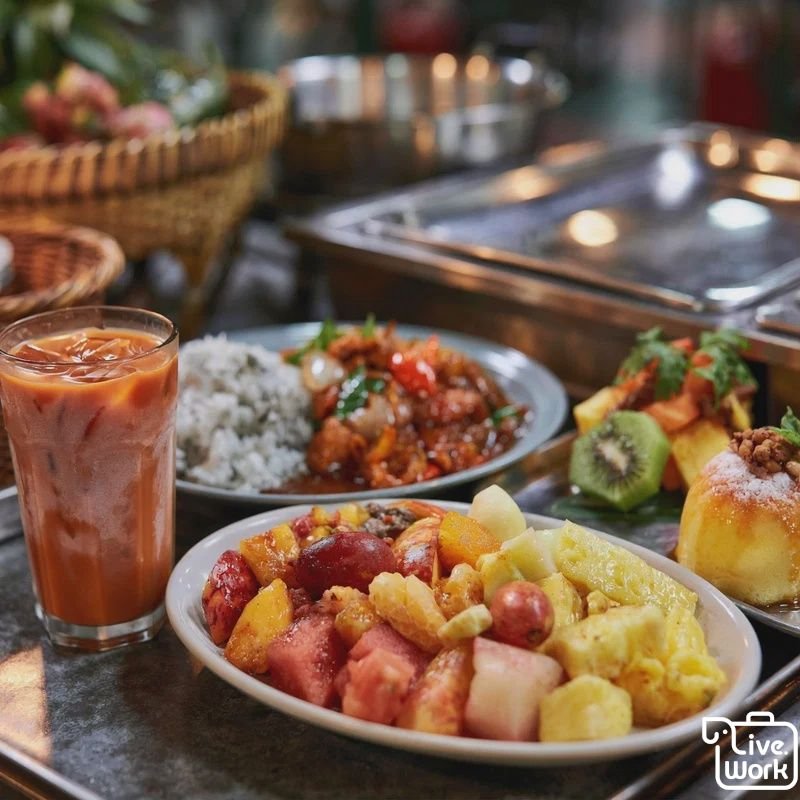
The 200-Baht Thai Market Challenge: Build a Complete Meal on a Budget
Thai Market Challenge time: build a full meal for just 200 THB—drink, main, fruit, and dessert. Keep a running total as you shop, and see which stalls give you the best value. Bonus points if you find something new you’ve never tried before.

Exploring Phang Nga Bay by Boat and Sea Kayak: Caves, Lagoons, Tides, and Responsible Wildlife Viewing
Limestone towers, calm jade water, and sea caves that reveal themselves on the right tide—Phang Nga Bay is pure magic. Choose a boat tour for a wider sweep of highlights, or go kayaking if you want to slip quietly into hidden hongs and feel the scale up close. Check tide times before you go, and aim for early morning for the smoothest water and best light. Keep wildlife encounters respectful: distance, silence, and no feeding.