Chiang Mai’s Craft Villages: How to Visit, Learn, and Support Artisans Respectfully
In and around Chiang Mai, a network of craft villages preserves skills that have been refined over generations. These aren’t staged attractions—they’re working communities where artisans carve, weave, shape, and polish objects by hand every day.
If you approach them thoughtfully, these villages offer one of the most meaningful cultural experiences in Thailand: the chance to watch real craftsmanship in action, ask questions, and support makers directly.
This guide focuses on four key areas—and how to visit them with respect.
Where to Go: Four Craft Hubs Worth Exploring
Ban Tawai: Woodcarving in Motion
Ban Tawai is known for intricate woodwork—from small decorative pieces to large sculptures and furniture. Workshops often sit open to the street, allowing visitors to observe chisels shaping teak and other hardwoods.
What you’ll notice:
Fine detail work happening slowly and precisely
Layers of sanding, carving, and finishing
The patience required to bring a single piece to life
Hang Dong: Celadon Pottery and Kilns
Around Hang Dong, celadon pottery workshops produce distinctive green-glazed ceramics. The process involves shaping clay, drying, glazing, and firing in kilns at high temperatures.
Expect to see:
Potters shaping vessels on spinning wheels
Shelves of drying pieces at different stages
Kiln areas where final transformations happen
Each piece reflects both technique and timing—small variations create unique results.
San Kamphaeng: Handwoven Textiles
The San Kamphaeng area is known for traditional weaving. Here, artisans work on wooden looms, producing textiles with detailed patterns and regional significance.
As you watch:
Threads are prepared and aligned carefully
Patterns emerge row by row
Rhythm and repetition define the process
Weaving is both technical and meditative, requiring focus over long periods.
Wua Lai: Silverwork and Fine Detail
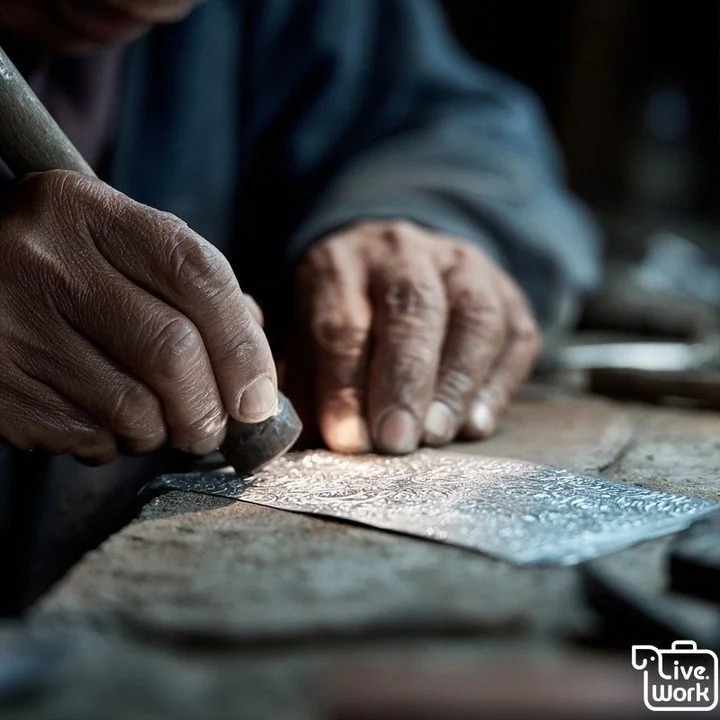
In Wua Lai, artisans specialize in silverwork—hammering, engraving, and shaping metal into decorative and functional pieces.
The work here is delicate:
Fine tools create intricate patterns
Repetition builds detail gradually
Precision matters at every step
Even small items represent hours of careful labor.
How to Observe Workshops Respectfully
Craft villages are working environments first, visitor spaces second. A respectful approach ensures artisans can continue their work without disruption.
Follow these basic principles:
Ask before filming or photographing
Keep voices low to maintain a calm workspace
Stand at a respectful distance from tools and materials
Avoid touching items, especially those drying, curing, or unfinished
Observing quietly often leads to more meaningful interactions than asking too many questions immediately.
Trying the Craft: When You’re Invited
Some workshops invite visitors to try simple steps in the process—such as shaping clay, sanding wood, or weaving a few passes.
If this happens:
Move slowly and follow instructions carefully
Let the artisan guide your hands
Prioritize safety over speed
These moments are not about performance—they’re about understanding the craft, even briefly.
Buying Fairly and Thoughtfully
Purchasing directly from artisans is one of the best ways to support these communities. However, how you buy matters just as much as what you buy.
Look for:
Shops where the maker is present
Workshops where the process is visible
Items that show clear signs of handcrafting
Avoid pushing for heavy discounts. Handmade goods reflect time, skill, and material costs—negotiating too aggressively can undervalue the work.
Whenever possible:
Pay the listed price
Ask for care instructions
Tip if there’s a donation box after a demonstration
Questions That Show Genuine Interest
If you want to connect more deeply with artisans, ask thoughtful questions.
Two especially meaningful ones are:
“What materials do you use, and where are they sourced?”
“How long does this piece take from start to finish?”
These questions shift the conversation from price to process, showing respect for the craft and the effort behind it.
Why These Villages Matter
Chiang Mai’s craft villages are more than shopping destinations—they are living archives of skill and tradition. Techniques passed down through families continue to evolve, but they remain rooted in local identity.
By visiting respectfully, you help sustain:
Traditional knowledge
Small-scale craftsmanship
Community-based economies
Every interaction—whether observing, learning, or purchasing—contributes to that continuity.
Conclusion
Chiang Mai’s craft villages offer a rare opportunity to slow down and witness skilled artisans at work. From woodcarving in Ban Tawai to celadon pottery in Hang Dong, weaving in San Kamphaeng, and silverwork in Wua Lai, each area reveals a different aspect of northern Thailand’s creative heritage. By observing respectfully, asking thoughtful questions, and supporting makers fairly, you turn a simple visit into a meaningful cultural exchange—one that honors both the craft and the people behind it.