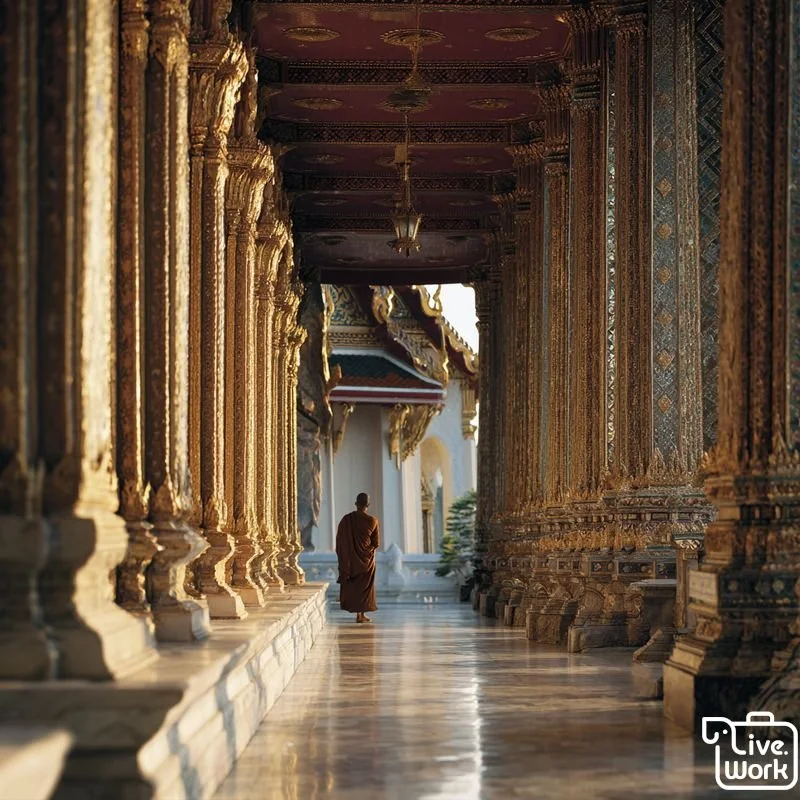
Thai Temple Etiquette: How to Visit Respectfully and Feel Comfortable in Sacred Spaces
Temples—known as wats—are at the heart of daily life in Thailand. Whether you’re visiting a famous site like Wat Pho or a quiet neighborhood temple, you’re stepping into an active place of worship, not just a tourist attraction.
The good news: Thai temples are welcoming and accessible. With a few simple etiquette habits, your visit will feel natural, respectful, and much more meaningful.
Dress Modestly and Practically
Clothing is the first—and most visible—sign of respect in a temple.
Guidelines to follow:
Cover shoulders and knees
Avoid sheer, tight, or revealing clothing
Choose lightweight but modest outfits suited to the heat
Because shoes must be removed before entering temple buildings, it helps to wear:
Slip-on shoes or sandals
Footwear that’s easy to take on and off
Many temples provide racks or designated areas for shoes near entrances.
Entering the Temple: Awareness of Space
When stepping inside a prayer hall or shrine area, take a moment to observe before moving.
Important habits:
Stay to the sides rather than standing in central walkways
Avoid walking directly in front of people who are praying
Move slowly and calmly
Temples are often quiet, reflective spaces. Matching that pace helps you blend in naturally.
Sitting and Body Language
In Thai culture, the feet are considered the lowest part of the body, so how you sit matters.
When seated:
Avoid pointing your feet toward Buddha images
Do not stretch your legs out in front of you
Sit cross-legged or with feet tucked behind you
Even small adjustments in posture show awareness and respect.
Keep the Atmosphere Calm
Temples are not silent, but they are peaceful.
To maintain that atmosphere:
Keep your voice low
Silence or mute phone notifications
Avoid loud conversations or phone calls
Think of the space as one of reflection rather than activity.
Interacting Around Monks
Monks are highly respected in Thai society, and a few guidelines help ensure appropriate interaction.
When near monks:
Give them space, especially when they are walking or chanting
Do not interrupt their activities
Avoid casual or unnecessary conversation
For women in particular:
Do not touch monks
When giving something, place it down or pass via a male intermediary
These customs are widely understood and appreciated.
During Ceremonies or Rituals
If you visit during a ceremony, you’re witnessing an important part of Thai spiritual life.
Best practices:
Pause at the back of the space when entering
Observe how others are sitting or kneeling
Wait for a natural break before moving
Photography during ceremonies may be restricted or sensitive. Always:
Look for signs
Ask if unsure
Avoid flash or intrusive angles
Respectful observation is always better than trying to capture every moment.
Small Details That Make a Big Difference
A few additional habits can elevate your visit:
Walk calmly and avoid rushing
Keep a respectful distance from altars and offerings
Follow posted signs or local cues
When in doubt, simply observe what locals are doing and follow their lead.
Why Etiquette Matters
Temple etiquette isn’t about strict rules—it’s about awareness. These spaces are shared between visitors and people practicing their faith. By adapting your behavior slightly, you show appreciation for both the culture and the community.
In return, your experience becomes more authentic and comfortable.
Conclusion
Visiting Thai temples is one of the most rewarding cultural experiences in Thailand. By dressing modestly, moving with awareness, respecting monks, and observing local behavior during prayers or ceremonies, you can explore these sacred spaces with confidence and ease. These small courtesies not only show respect—they also open the door to a deeper understanding of Thai culture and everyday life.