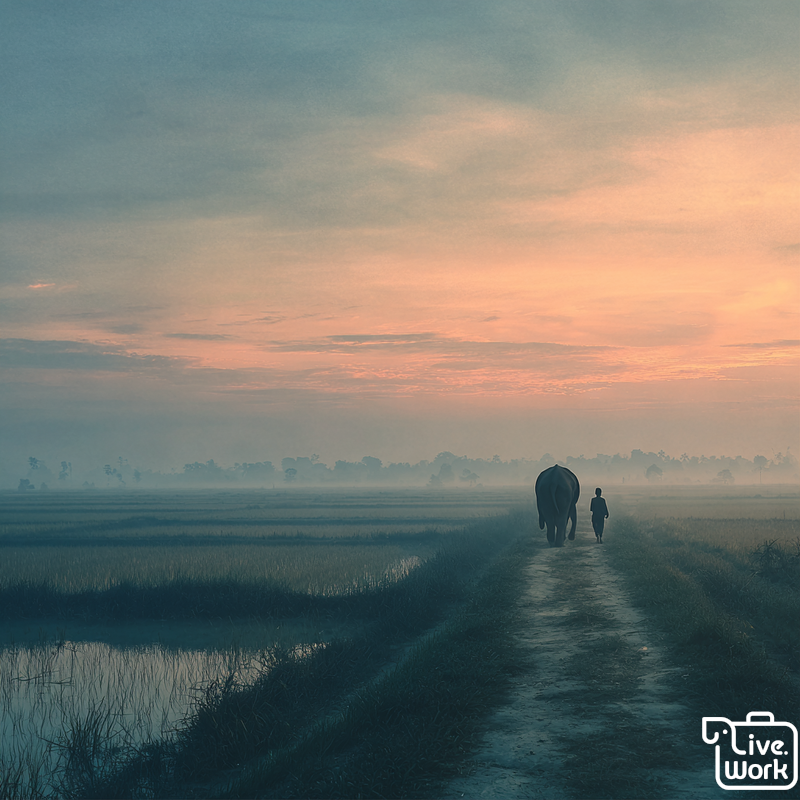
Surin Province: Honoring Elephants, Mahouts, and Living Traditions with Respect
In Surin Province, elephants are not an attraction layered onto local life—they are woven into it. Generations of mahouts have lived, worked, and grown alongside these animals, shaping a relationship built on skill, patience, and long-term responsibility. For visitors, this history invites something deeper than sightseeing: it calls for awareness, respect, and thoughtful choices.
If you’re traveling to Surin to learn about elephants, the most meaningful experiences begin with understanding—and continue with care.
A Province Shaped by Elephant Culture
Surin’s connection to elephants stretches back centuries. Families have passed down mahout knowledge—feeding routines, behavioral cues, health monitoring, and seasonal adjustments—across generations. Elephant care here is not a part-time activity; it is daily, skilled labor that continues whether or not tourists are present.
This context matters. It reminds visitors that elephants are living beings with long lifespans, complex social needs, and individual temperaments—not props for entertainment.
Choosing Ethical Experiences
If you want your visit to contribute positively, seek out sanctuaries and programs that prioritize welfare and natural behavior.
Look for places that:
Allow elephants to roam and socialize
Avoid rides, circus-style tricks, or forced performances
Emphasize observation over interaction
Provide transparent information about feeding, health, and long-term care
Ethical settings often feel calmer. You may spend more time watching elephants graze, bathe, or rest—moments that are quieter but far more authentic.
Understanding the Role of the Mahout
The mahout is central to Surin’s elephant culture. This role is built on trust, communication, and continuity. Many mahouts begin learning as children, absorbing knowledge through daily immersion rather than formal schooling.
When visiting, remember:
Elephant care is year-round, not event-based
Skills include health checks, behavioral awareness, and environmental management
Family tradition and pride often shape the work
Listening to a mahout explain their relationship with an elephant often reveals more than any staged demonstration ever could.
Photography with Respect
Elephants are powerful, sensitive animals. Photography should reflect that reality.
Best practices include:
Maintaining a respectful distance
Staying quiet and calm
Avoiding flash
Never asking handlers to stage unnatural interactions
The most powerful images usually come from patience—capturing elephants behaving as they naturally would rather than posing for a lens.
Supporting Surin Beyond Elephant Tourism
Surin’s cultural richness extends well beyond elephants. Visiting local markets, learning about traditional crafts such as silk weaving, and hiring community-based guides ensures your impact reaches more families and businesses.
These experiences add depth to your visit:
Sampling regional Isan cuisine
Browsing handmade textiles
Hearing stories that connect elephants to wider community life
By engaging broadly, you support a more balanced and sustainable local economy.
Why Patience Matters Most
The most meaningful memories in Surin rarely come from dramatic moments. They come from stillness—watching an elephant move slowly through grass, hearing distant village sounds, or sitting quietly while a mahout shares a story.
Respectful travel here isn’t about ticking experiences off a list. It’s about allowing elephants to remain elephants and communities to share what they choose, on their terms.
Conclusion
Surin Province offers a rare opportunity to witness a living, generational bond between people and elephants. By choosing ethical sanctuaries, respecting mahouts’ expertise, photographing responsibly, and supporting local culture beyond tourism highlights, you ensure your visit contributes positively. In Surin, the deepest experiences come not from spectacle, but from patience, listening, and honoring a relationship shaped over time.