Thonburi Canal Guide: Longtail Boats, Khlongs, Hidden Temples, Local Markets, and Respectful Waterway Travel in Bangkok
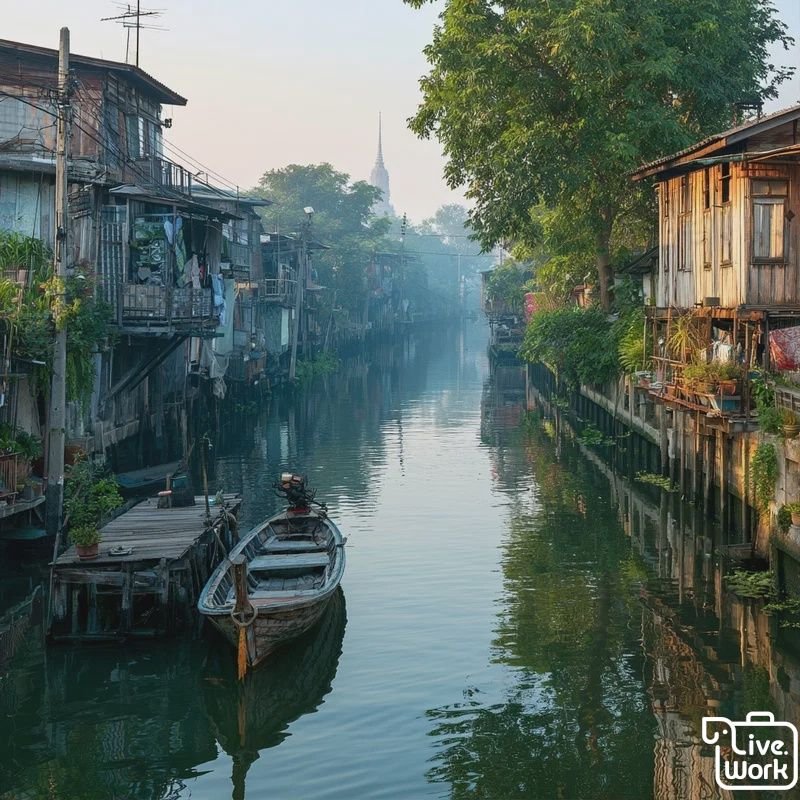
Thonburi is one of the best places to experience a calmer, more local side of Bangkok. Just across the Chao Phraya River from the city’s more familiar temple and shopping districts, the mood changes quickly. Roads still exist, traffic still moves, and Bangkok is never truly quiet, but the canals give Thonburi a slower rhythm. Narrow khlongs weave past stilt houses, wooden docks, small shrines, leafy gardens, temple roofs, footbridges, canal-side shops, and everyday life on the water.
A Thonburi canal trip is not about escaping Bangkok completely. It is about seeing a version of Bangkok that still remembers how important waterways once were to daily life. Long before expressways, BTS lines, and shopping malls shaped the way people moved through the city, canals were practical routes for trade, commuting, food, community, and worship. In parts of Thonburi, that older water-based logic is still visible. Boats pass homes, monks move through quiet areas in the morning, vendors serve communities near the water, and small temples sit behind lanes that feel far removed from the city’s busiest streets.
The best way to experience Thonburi is slowly and respectfully. Start with a morning longtail boat ride when the light is soft and the heat is still manageable. Let the boat move through the canal network without treating every home as a photo subject. Stop at a canal-side market or community area for fruit, grilled snacks, iced drinks, and a short walk. Then continue toward hidden temples, leafy lanes, and small bridges where the city feels more intimate. Thonburi’s charm is not loud. It comes from patience, courtesy, and noticing the everyday beauty of life beside the water.
Why Thonburi Feels Like Another Bangkok
Thonburi sits on the west bank of the Chao Phraya River, and that simple crossing can change the entire feeling of the city. Central Bangkok often presents itself through traffic, towers, malls, hotels, and major roads. Thonburi feels more fragmented and layered. It has busy roads too, but many of its most memorable places sit along canals, side lanes, temple grounds, old communities, and low-rise neighborhoods where life moves at a more local scale.
The khlongs are the key. They create a different kind of movement. Instead of walking along pavements or sitting in road traffic, you glide past homes, gardens, shrines, and small docks. The view is not always polished, and that is part of its value. You may see laundry hanging outside, plants growing from balconies, cats resting near wooden steps, boats tied beside houses, families sitting near the water, or people going about ordinary morning routines. This is not a staged floating-market performance. It is a living neighborhood landscape.
That is why Thonburi should be approached with sensitivity. You are not only visiting a scenic canal. You are passing people’s homes. The best travelers understand this and move through the area with quiet curiosity rather than intrusive excitement.
Start with a Morning Longtail Boat Ride
A morning longtail boat ride is the best introduction to Thonburi’s canal world. The light is softer, the air is cooler, and the water often feels more reflective before the day becomes hot and busy. Morning also gives the route a more local atmosphere. You may see monks moving through the area, residents beginning their day, vendors preparing food, and boats passing between docks before the stronger midday heat arrives.
A longtail boat is not silent, but it does give you a close, open-air view of the canals. You sit low enough to feel the water, hear the engine, and notice the textures of the neighborhood as you pass: wooden houses, tiled temple roofs, hanging plants, narrow walkways, and small bridges. It feels very different from looking at Bangkok from a taxi window.
The best boat ride is not necessarily the fastest or the most packed with stops. A slower route with a respectful boat operator is far better than a rushed ride that treats the canals as a checklist. Ask about the route before you start. Clarify whether there will be stops, how long the ride lasts, whether it includes a canal-side market or temple, and whether the boat will slow down in residential sections. A good trip should allow you to look, listen, and understand where you are, not only race through the waterways.
What You Might See from the Water
Thonburi’s canals are full of small details. Stilt houses sit close to the water, sometimes with wooden steps leading down to docks. Plants grow along railings and balconies. Spirit houses, shrines, and temple structures appear between residential buildings. Footbridges cross narrow sections of canal. Longtail boats pass each other carefully. Some homes look old and weathered, while others have been repaired, painted, or adapted over time.
The most beautiful views are often not grand. They may be a row of potted plants outside a wooden house, morning light on a canal surface, a temple roof behind leaves, a vendor preparing drinks near a dock, or a quiet scene of someone sitting beside the water. Thonburi rewards the kind of looking that notices daily life rather than only famous landmarks.
The canals can also show Bangkok’s contrasts. You may pass areas that feel lush and calm, then suddenly see a larger road bridge, a modern building, or a busy pier. This mixture is part of the city’s reality. Thonburi is not frozen in the past. It is old and new, residential and touristic, quiet and urban, all at once.
A Simple Thonburi Canal Morning Flow
| Part of the Morning | Atmosphere | Best Focus |
|---|---|---|
| Early Boat Departure | Soft, cooler, and atmospheric, with morning light on the canals and the city not yet at full speed. | Choose a longtail boat route that moves calmly through residential khlongs and gives enough time to observe without rushing. |
| Canal Residential Sections | Quiet, intimate, and local, with stilt houses, docks, plants, shrines, footbridges, and everyday life close to the water. | Keep voices low, avoid intrusive photography, and appreciate wider neighborhood scenes rather than focusing into private homes. |
| Temple Views from the Water | Peaceful and layered, with temple roofs and small religious spaces appearing behind trees, bridges, and canal homes. | Notice how temples sit within local communities rather than apart from them, and save time for a respectful temple stop if possible. |
| Canal-Side Market Stop | Casual, tasty, and social, with fruit, grilled snacks, iced drinks, coffee, small shops, and canal-side seating. | Step off the boat slowly, try simple local snacks, support small vendors, and use the stop as a gentle walking break. |
| Hidden Temple and Footbridge Walk | Leafy, local, and slower than central Bangkok, with small lanes, bridges, shaded corners, and temple courtyards. | Walk quietly, dress respectfully for temple grounds, and let the area’s smaller details become the main experience. |
| Return Toward the River | Reflective and scenic, with the canal route opening back toward the wider Chao Phraya and the city’s larger scale. | Use the final stretch to compare canal life with Bangkok’s main river rhythm and end the trip without rushing into another activity. |
Canal-Side Markets and Local Snacks
A canal-side market or community stop gives the boat ride a useful pause. Without stopping, a canal tour can feel like watching life from a distance. Once you step onto a wooden walkway or market lane, the area becomes more personal. You can drink something cold, try local snacks, sit near the water, and see the neighborhood at walking speed.
Fresh fruit is one of the easiest things to enjoy. It is light, cooling, and practical in Bangkok heat. Pineapple, watermelon, mango, guava, or seasonal fruit can turn a short stop into a refreshing break. Grilled snacks are another good choice because they are fast and satisfying. Look for skewers, grilled chicken, sausages, fish cakes, or simple local bites depending on what vendors are serving that day.
Iced drinks fit the rhythm of Thonburi especially well. An iced Thai tea, black coffee, lime soda, herbal drink, or fresh coconut can give you enough energy to continue without needing a full meal. Some canal-side communities also have cafés set inside old wooden houses or restored buildings, where you can sit with a drink and watch longtail boats pass.
The best approach is to keep the stop simple. Do not turn it into a shopping mission. Eat something, drink something, walk gently, and let the canal-side atmosphere do the rest.
Hidden Temples Behind Leafy Lanes
One of the pleasures of Thonburi is finding temples that feel tucked into local life. Unlike the grand, heavily visited temples across the river, many Thonburi temple stops are quieter, more neighborhood-based, and approached through small lanes, bridges, or canal paths. Their beauty is often in the setting as much as the buildings themselves.
A temple may appear after a bend in the canal, behind a row of houses, or beyond a small footbridge. The approach can feel almost accidental: a narrow path, a shaded wall, a gateway, a courtyard, a few dogs sleeping in the shade, monks moving between buildings, and local visitors coming to make offerings. This slower arrival makes the temple feel connected to its community.
Respect matters here. Dress modestly if you plan to enter temple grounds, remove shoes where required, speak softly, and avoid interrupting worship. Do not use temple courtyards only as photo backgrounds. Take time to notice the details: roof tiles, murals, statues, bells, flowers, incense, and the way the temple sits beside daily life.
In Thonburi, temples are not separate from the neighborhood. They are part of the neighborhood’s rhythm.
Khlong Bang Luang and the Artist’s House Mood
Khlong Bang Luang is one of the most rewarding canal-side communities for travelers who want a mix of local atmosphere, art, food, and old wooden architecture. It is often associated with the Artist’s House, a restored wooden house that has become a creative space and café, but the area around it is just as important as the main stop. The canal, walkways, shops, small restaurants, and nearby temples give the visit its slower charm.
This is a place to linger rather than simply step off a boat, take a photo, and leave. Sit by the water, order a drink, watch the canal traffic, browse gently, and notice how the old wooden buildings shape the mood. The area feels creative but not overly polished. It still carries the atmosphere of an old canal community, and that is why it should be treated carefully.
If your canal tour includes Khlong Bang Luang, allow enough time. A rushed twenty-minute stop may not be enough to understand why the place feels special. A slower visit lets you experience the canal-side rhythm on foot.
Respectful Canal Touring
Respectful canal touring begins with remembering that many canal scenes are residential. A stilt house may look beautiful from a boat, but it is still someone’s home. A wooden balcony, open doorway, window, or dock is not automatically public just because it is visible from the water. The line between scenic and intrusive can be crossed quickly if travelers forget this.
Keep voices low when passing homes, especially in the morning. Sound travels easily over water, and shouting from a boat can disturb people. Avoid pointing cameras directly into windows, doorways, or private living areas. Wider scenes are usually better: a canal curve, a row of houses, a temple roof behind trees, a longtail boat passing under a bridge, or light reflecting on the water.
If you want to photograph people up close, ask first. A smile, a gesture toward the camera, and waiting for consent is better than assuming. If someone turns away, waves no, or seems uncomfortable, lower the camera. Courtesy is not an extra detail in Thonburi. It is part of the experience.
Drones should be avoided near residential canal areas unless you have clear permission and understand the local rules. Even when a drone seems exciting for aerial footage, it can feel invasive to people living along the water. A quiet camera from public space is usually more respectful and more appropriate.
Photo Etiquette on the Khlongs
| Photo Situation | Respectful Approach | Why It Matters |
|---|---|---|
| Passing Homes by Boat | Use wider canal scenes instead of aiming directly into windows, open doors, balconies, or private docks. | Homes along the khlongs are lived-in spaces, not open sets, and privacy should be protected even when the view is beautiful. |
| Photographing People | Ask before taking close photos, especially of vendors, monks, elders, children, or residents sitting near their homes. | Consent keeps the interaction human and prevents the visit from feeling extractive or intrusive. |
| Temple Grounds | Photograph quietly, avoid blocking worshippers, and do not use sacred spaces as casual posing areas. | Temples are active religious places, and respectful behavior matters more than getting the perfect image. |
| Canal-Side Markets | Take photos without blocking narrow walkways, vendor counters, or boat access points. | Markets are working spaces, and people need room to sell, buy, cook, carry goods, and move safely. |
| Drone Photography | Avoid flying drones near homes, temples, markets, or residential canals without clear permission and legal confidence. | Drones can feel invasive, create noise, disturb residents, and may not be appropriate in dense community areas. |
| Children and Family Scenes | Do not photograph children closely without clear permission from a parent or guardian. | Privacy and safety are more important than a candid travel image. |
Monks, Alms, and Morning Sensitivity
Morning canal life can sometimes include monks collecting alms or moving through temple communities. This is one of the reasons early boat rides can feel especially atmospheric. But it is also a moment that requires sensitivity. Alms-giving is a religious practice, not a performance for visitors.
If you see monks or local people making offerings, stay quiet and do not interrupt. Photograph only from a respectful distance if the situation clearly allows it, and avoid pushing your camera into the scene. Do not block a walkway, dock, or temple entrance to watch. If your boat passes such a moment, let it remain gentle.
The most meaningful way to witness religious life is often without taking a close photo. Sometimes the memory is stronger when you simply observe quietly.
Longtail Boats: Comfort, Timing, and Choosing a Route
Longtail boats are part of the classic Thonburi experience, but not all routes feel the same. Some trips are short and tourist-oriented. Others include more residential canals, temple views, and community stops. Before you agree to a ride, ask where the boat will go and how long the tour will last. Clarify whether the price is per boat or per person, whether stops are included, and whether the route returns to the same pier or ends elsewhere.
Morning is usually the most comfortable time because the heat is lower and the light is better. Late afternoon can also be beautiful, especially when the sun softens and the water reflects warmer tones. Midday can be hot, bright, and less comfortable in open boats.
Bring sun protection, water, and a small bag that keeps your phone and wallet secure. Boat spray is possible, especially on wider sections of river or when another boat passes. A waterproof pouch or small dry bag can prevent stress.
If the boat moves too fast through residential canals, ask politely whether it can slow down. A slower ride is better for photos, comfort, and respect.
What to Bring for a Thonburi Canal Morning
| Item | Why It Helps | Best Use in Thonburi |
|---|---|---|
| Small Day Bag | A compact bag is easier to manage when boarding longtail boats, walking narrow bridges, and stopping at canal-side markets. | Use it for water, wallet, phone, camera, temple layer, and small snacks without carrying unnecessary weight. |
| Waterproof Phone Pouch or Dry Bag | Boat spray, sudden rain, and wet docks can put electronics at risk. | Keep your phone, power bank, cash, and documents protected during boat rides and canal-side walking. |
| Hat or Light Umbrella | Sun can become strong quickly once the morning coolness fades. | Use it during boat rides, temple walks, market stops, and open stretches near the Chao Phraya. |
| Temple-Appropriate Layer | Hidden temples may be part of the route, and respectful clothing is important when entering sacred spaces. | Carry a light shirt, scarf, or cover-up so shoulders and knees can be covered when needed. |
| Small Cash | Useful for boat payment, snacks, iced drinks, temple donations, local cafés, and small purchases at markets. | Keep smaller notes accessible so transactions are easy without opening your whole wallet on a dock or boat. |
| Comfortable Footwear | Canal-side paths, wooden walkways, small bridges, and temple courtyards may be uneven or slippery after rain. | Wear secure shoes or sandals with grip rather than loose footwear that feels unstable near water. |
| Respectful Patience | Thonburi is a living neighborhood, and the best experiences come from moving gently through local spaces. | Keep voices low, take turns in narrow areas, ask before close photos, and let daily life continue around you. |
Markets, Snacks, and Iced Drinks
Food stops in Thonburi do not have to be elaborate. The best canal-side snacks are often simple: fresh fruit, grilled pork or chicken, Thai sweets, noodles, coconut ice cream, iced coffee, Thai tea, herbal drinks, or small fried snacks. What matters is not only the food itself, but where you eat it. A plastic chair by the canal, a shaded wooden walkway, a small café facing the water, or a vendor stall near a footbridge can turn a snack into a memory.
When choosing food, look for active stalls with good turnover. Fresh fruit should look bright and clean. Grilled snacks should be hot and moving quickly. Iced drinks should be prepared in a tidy way. Canal-side areas can be humid and busy, so freshness and cleanliness matter.
A short food stop also gives you time to step out of tourist mode. Sit, drink, watch boats pass, and notice how the community works around the canal. This pause may be more meaningful than another fast stop at a famous landmark.
Small Footbridges and Leafy Lanes
After the boat ride, walking is the best way to feel Thonburi at human speed. Small footbridges cross canals and connect temple grounds, homes, markets, and lanes. These bridges are often modest, but they create some of the best viewpoints. From a bridge, you can see the canal curve, boats passing below, houses on both sides, and temple roofs rising beyond the trees.
Leafy lanes add another layer. Away from the water, Thonburi can feel quiet and residential, with plants, walls, gates, small shrines, and local shops. Walking here requires attention because paths may be narrow, uneven, or shared with scooters. Move slowly, stay aware, and avoid treating private entrances as photo spots.
This combination of boat and walking is what makes the visit complete. The boat gives you the water perspective. The walk gives you the neighborhood perspective.
Why Thonburi Is Not a Theme Park
Thonburi’s canals are sometimes marketed as “old Bangkok,” but it is important not to romanticize them too much. The area is not a museum or theme park. People live here, work here, commute here, worship here, and adapt to modern Bangkok while keeping some waterway traditions visible. Some houses are beautiful and well-kept. Others are weathered. Some canal sections are lush and quiet. Others show the pressures of urban life.
This honesty is part of the experience. The canals are beautiful not because everything is perfect, but because they reveal a living city. They show the relationship between water, community, architecture, religion, trade, and daily routine. A respectful visitor allows the area to be complex.
Do not expect every moment to be postcard-perfect. Expect texture, contrast, and real life.
A Calmer Alternative to Central Bangkok
Thonburi is ideal when you want to step away from Bangkok’s most intense areas without leaving the city. It pairs well with a riverside morning, a temple visit, a canal-side lunch, or a slow afternoon around Khlong Bang Luang. It is especially good for travelers who have already seen the Grand Palace, Wat Pho, Wat Arun, Chinatown, or the major malls and want a different layer of Bangkok.
It also works well for repeat visitors. The first time in Bangkok, people often focus on famous sights. On a later visit, Thonburi helps the city feel deeper. You begin to understand that Bangkok is not only built along roads and BTS lines. It is also built along waterways, old communities, and quieter edges that require more patience to appreciate.
The best Thonburi day is not packed. One boat ride, one market stop, one temple, one café, and a slow walk can be enough.
A Half-Day Thonburi Canal Itinerary
| Time Window | Suggested Rhythm | Why It Works |
|---|---|---|
| Morning Start | Begin with a longtail boat ride through Thonburi’s khlongs while the light is soft and the air is cooler. | The morning gives the canals a gentler mood and makes the boat ride more comfortable before midday heat builds. |
| Mid-Morning Canal Stop | Pause at a canal-side market or community area for fresh fruit, grilled snacks, iced coffee, Thai tea, or a small local bite. | A food stop turns the route from passive sightseeing into a more grounded neighborhood experience. |
| Late Morning Temple Walk | Continue to a hidden temple or leafy lane reached by footbridge, canal path, or short local road connection. | Temples show how religious life and neighborhood life remain closely connected on the Thonburi side. |
| Early Afternoon Return | Return toward the river, MRT, BTS, taxi, or a nearby café rather than pushing through the hottest part of the day. | A half-day route keeps the experience calm and prevents the canals from becoming tiring in the heat. |
How to Choose a Respectful Boat Operator
A good boat operator helps shape the whole experience. Look for someone who is clear about the route, price, duration, and stops. Avoid vague arrangements where you do not understand where you are going or how long the ride will last. If possible, choose an operator or tour that includes community stops, temple context, or slower canal sections rather than only a fast loop.
Ask whether the boat will pass residential areas slowly. Ask whether stops are included. Ask where the ride starts and ends. Ask whether the price is for the whole boat or per person. These questions are practical, but they also reveal whether the operator treats the canals as a real neighborhood route or just a quick tourist product.
A respectful boat ride should not make you feel like you are intruding. It should feel observant, calm, and balanced. You should leave with a sense of the area, not only a memory of engine noise.
Photography That Preserves the Mood
The best photos in Thonburi are often wide and quiet. A longtail boat under a bridge. A temple roof behind trees. A canal-side house reflected in water. A vendor preparing drinks from a distance. A footbridge framed by plants. A row of stilt houses in morning light. These images communicate atmosphere without invading privacy.
Close portraits can be beautiful, but they require permission. A person washing dishes near a dock, a child playing near a house, a monk walking through a lane, or a vendor working at close range should not automatically become a subject. Ask first, accept no gracefully, and never photograph into private homes.
Travel photography should make a place feel respected, not taken from.
Conclusion
Thonburi offers one of Bangkok’s calmest and most rewarding local experiences, especially for travelers who want to see life along the khlongs rather than only the city’s major roads and famous sights. A morning longtail boat ride reveals stilt houses, leafy canals, temple roofs, small docks, footbridges, and everyday waterway life in soft light. A canal-side market stop adds fresh fruit, grilled snacks, iced drinks, and a chance to walk at local speed. Hidden temples and quiet lanes show how community, faith, and water remain connected across the river. The most important part is respect: keep voices low near homes, avoid photographing into windows, ask before close portraits, and skip drones in residential areas without clear permission. Thonburi’s charm comes from its gentleness, and the best visitors help keep it that way.