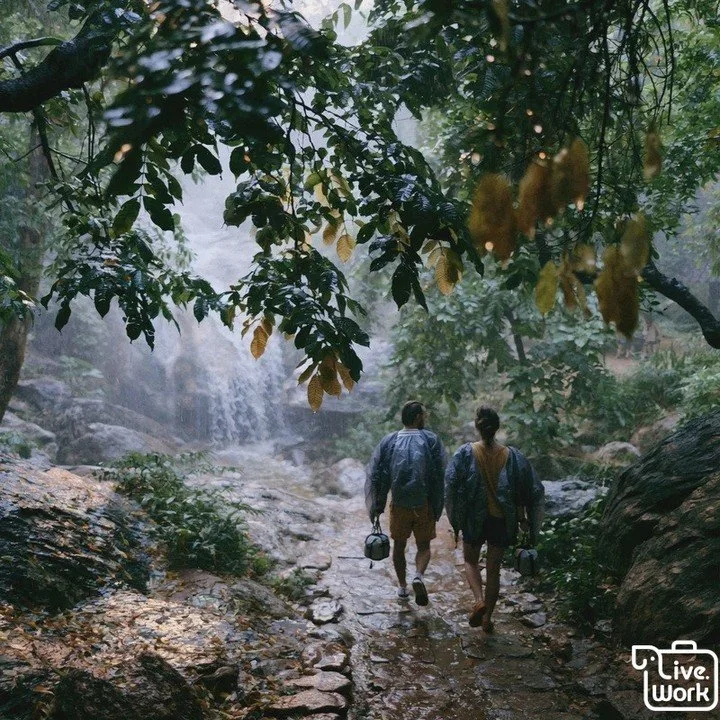
The Best Waterfalls Near Chiang Mai for an Easy Day Trip
A waterfall day is one of the easiest ways to add nature to a stay in Chiang Mai without committing to a long mountain expedition. Several waterfalls can be reached from the city within part of a day, but they offer very different experiences. Bua Thong Waterfall is known for climbing directly over textured limestone, Huay Kaew Waterfall provides the quickest escape from central Chiang Mai, and Mae Sa Waterfall combines multiple cascades with a longer forest walk.
Choosing the right waterfall depends on how much time you have, whether you want to swim or hike, and how far you are comfortable travelling. Huay Kaew Waterfall works well for a spontaneous morning or afternoon. Mae Sa Waterfall is better for a half-day nature trip, while Bua Thong Waterfall deserves most of a day once transport, climbing, lunch, and the return journey are included.
Weather is equally important. Waterfalls around Chiang Mai can look completely different between the dry and rainy seasons. Rain increases the water flow and makes the forest greener, but it can also turn ordinary paths, steps, and rocks dangerously slippery. An early start, suitable footwear, and realistic expectations make the experience considerably safer and more enjoyable.
Comparing Bua Thong, Huay Kaew, and Mae Sa Waterfalls
The three waterfalls are not interchangeable. Bua Thong is the most unusual and activity-focused, Huay Kaew is the most convenient, and Mae Sa offers the most traditional forest-and-waterfall atmosphere.
| Waterfall | Main Experience | Best Suited To | Time to Allow |
|---|---|---|---|
| Bua Thong Waterfall | Climbing over pale limestone with naturally textured surfaces, surrounded by forest. | Active visitors, families with confident children, and travelers seeking an unusual outdoor experience. | Allow most of a day once travel, climbing, resting, and the return journey are included. |
| Huay Kaew Waterfall | A convenient seasonal waterfall close to Chiang Mai, with shaded rocks and a short nature escape. | Visitors with limited time, casual walkers, and anyone wanting to combine nature with other city activities. | One to two hours is often sufficient, although the surrounding mountain area can extend the visit. |
| Mae Sa Waterfall | A forest route connecting several waterfall levels and picnic areas. | Walkers, couples, families, and visitors wanting a larger natural setting without a full-day trek. | Plan approximately half a day for transport, walking, breaks, and exploring several tiers. |
Bua Thong Waterfall is usually the strongest choice for a memorable activity rather than conventional swimming. Huay Kaew Waterfall is the practical option when convenience matters most. Mae Sa Waterfall offers the best balance between accessible walking and a more substantial forest setting.
Bua Thong Waterfall: Climbing Chiang Mai’s Sticky Waterfall
Bua Thong Waterfall, written in Thai as น้ำตกบัวตอง and pronounced approximately “nam tok bua tong,” is better known among international visitors as the Sticky Waterfall. The nickname comes from the waterfall’s pale mineral-covered limestone, which often provides more grip than the dark, smooth rock found at many other waterfalls.
Visitors can climb directly through sections of the flowing water, using the textured stone, ropes, and surrounding features for support. The sensation is unusual because the surface can feel rough and secure beneath the feet even while water runs over it. This makes Bua Thong Waterfall more interactive than a waterfall visited only for photographs or swimming.
The word “sticky” should not be interpreted as meaning completely slip-proof. Algae, mud, leaves, worn areas, and changing water conditions can make parts of the waterfall slippery. Visitors should move slowly, test each foothold, and avoid competing with others to climb quickly.
Some sections are steeper than they first appear. The climb can be manageable for active beginners, but confidence, balance, and basic mobility are still necessary. Anyone with recent injuries, limited mobility, or discomfort on wet slopes may prefer to enjoy the lower areas rather than attempting every section.
Bua Thong Waterfall is located north of Chiang Mai in the Mae Taeng area. It requires a longer journey than Huay Kaew or Mae Sa, so it is better treated as a dedicated excursion rather than a quick stop. Travel time depends on traffic, weather, and the starting point, but the journey commonly takes well over an hour from central Chiang Mai.
Arriving during the morning, around 9:00 to 10:00, usually provides a calmer experience than arriving around midday. Earlier visitors benefit from cooler air and more space on the climbing sections. Weekends, holidays, and comfortable-weather days can attract larger groups.
What to Expect at Bua Thong Waterfall
The main attraction is the climb, but visitors should not rush directly onto the limestone. It is worth first observing where other people enter and exit, checking the water level, and identifying the easiest route.
Climbing usually involves a combination of walking upright, leaning forward, holding ropes, and occasionally using the hands for balance. Clothing that allows free movement is more practical than loose garments that become heavy when wet.
Grippy water shoes are one of the most useful items for Bua Thong. Bare feet may provide good contact on some limestone surfaces, but sharp stones, rough mineral deposits, and debris can make footwear more comfortable. Ordinary flip-flops are a poor choice because they move easily, provide little support, and can become hazardous on steep wet sections.
Bua Thong is not primarily a deep-swimming destination. The attraction is the interaction with the flowing water and unusual rock formation rather than a large natural pool. Visitors expecting a broad swimming basin may find the experience different from a conventional waterfall visit.
Food and drink options may be available around popular areas, but carrying water and simple snacks is still sensible. Availability and operating conditions can vary, particularly outside busy periods. All food packaging and rubbish should be removed rather than left beside picnic or forest areas.
Huay Kaew Waterfall: The Quickest Nature Escape from Chiang Mai
Huay Kaew Waterfall, written as น้ำตกห้วยแก้ว and pronounced approximately “nam tok huai kaeo,” is located near the base of Doi Suthep. It is one of the most accessible waterfall options for visitors staying in Chiang Mai because it can be reached without travelling far into the countryside.
The waterfall is convenient for a short break from cafés, temples, shopping areas, and city traffic. Instead of planning an entire day, visitors can spend an hour beside the rocks and trees before continuing to another destination around Doi Suthep or returning to the city.
Huay Kaew Waterfall is highly seasonal. The water flow is generally stronger during and shortly after the rainy season, while dry-season conditions may reduce the cascade substantially. Visiting after recent rain can therefore create a more impressive scene, but recent rain also increases the risk of slippery rocks and unexpectedly strong water.
The shaded setting can feel cooler than central Chiang Mai, particularly in the morning. Trees, exposed stone, flowing water, and the lower slopes of Doi Suthep create a pleasant natural atmosphere despite the waterfall’s proximity to the city.
Huay Kaew is sometimes described as a swimming destination, but visitors should keep expectations modest. Water depth and flow vary, and suitable places for entering the water depend on current conditions. It is often more enjoyable as a place to sit, cool the feet, take photographs, and spend time beside the cascade.
Staying Safe on the Rocks at Huay Kaew Waterfall
The rocks around Huay Kaew can become extremely slick. Dark wet stone may be covered with a thin layer of algae that is difficult to see but easy to slip on. The safest approach is to remain on established paths and dry surfaces whenever possible.
A common mistake is stepping onto a wet rock for a better photograph without first testing the surface. Even a short fall can result in painful injuries, particularly where rocks are uneven. Visitors should avoid jumping between stones or climbing directly beside strong-flowing sections.
Rainfall higher on Doi Suthep can affect water conditions downstream. A waterfall may therefore change even when it is not raining directly at the viewing area. Dark clouds, rapidly increasing flow, or sudden changes in water color are reasons to move away from the channel and return to safer ground.
Huay Kaew Waterfall is well suited to travelers without private transport. A taxi or ride-hailing service can usually reach the general area more easily than remote waterfalls. Return availability may still vary, so checking the app before walking away from the main road is useful.
Mae Sa Waterfall: Multiple Tiers in a Forest Setting
Mae Sa Waterfall, written as น้ำตกแม่สา and pronounced approximately “nam tok mae sa,” is located in the Mae Rim area within the broader mountain environment of Doi Suthep–Pui National Park. It offers a more substantial nature experience than Huay Kaew without requiring the unusual climbing activity associated with Bua Thong.
The waterfall consists of multiple levels connected by forest paths and steps. Instead of arriving at one viewpoint, visitors can gradually move between cascades, pools, picnic areas, and shaded sections of woodland.
The lower tiers are usually easier to reach and suit visitors who want a relaxed stop. Continuing higher requires more walking and can involve uneven surfaces, inclines, and steps. The exact accessibility of individual sections may change because of weather, maintenance, water levels, or temporary restrictions.
Mae Sa Waterfall is a good half-day destination because the journey from Chiang Mai, the walk between levels, and rest breaks take more time than a quick city waterfall visit. Late morning can work well when leaving Chiang Mai early enough to avoid the strongest heat and traffic.
The forest provides shade, but humidity can still make the walk tiring. Visitors should carry sufficient water and avoid treating the route as a race to reach every tier. Stopping at fewer levels and enjoying the surroundings is often more satisfying than rushing through the entire area.
Picnicking and Swimming at Mae Sa Waterfall
Mae Sa Waterfall is well suited to a simple picnic, particularly around accessible lower areas where visitors can rest beneath the trees. Bringing snacks allows more flexibility, although food should be packed securely and all waste carried away.
Water conditions determine whether entering pools is advisable. During gentle flow, some areas may appear calm and inviting. After heavy rain, the same places can become deeper, faster, muddier, or more difficult to exit.
Visitors should follow current signs and instructions from park staff. A pool that looks shallow from the edge may contain submerged rocks or sudden depth changes. Diving is particularly risky because visibility is often limited.
A microfiber towel and change of clothes are useful even for visitors who only plan to cool their feet. Spray, rain, and accidental slips can leave clothing wetter than expected, and the return journey is more comfortable in dry clothes.
Mae Sa can become busier on weekends and public holidays. Arriving earlier provides more choice of resting areas and makes narrow paths easier to navigate.
The Best Waterfall for Different Types of Visitors
Bua Thong Waterfall is the clearest choice for travelers who want an active and unusual experience. Climbing over mineral-rich limestone feels very different from standing at a viewpoint, and the waterfall is memorable even when the water flow is moderate.
Huay Kaew Waterfall is best for visitors with limited time or no interest in arranging a longer journey. Its convenience makes it suitable for a spontaneous stop, although its appearance depends heavily on recent rainfall.
Mae Sa Waterfall suits people who want to walk through a forest and discover several cascades rather than focus on one activity. It offers more variety than Huay Kaew while requiring less specialized movement than climbing Bua Thong.
Families should choose according to the confidence and mobility of the group. Bua Thong can be entertaining for older children who are comfortable on wet surfaces, but close supervision is essential. Mae Sa offers more opportunities to choose a route based on energy level, while Huay Kaew works for a brief outing without a long car journey.
Visitors interested mainly in photography may prefer Mae Sa after moderate rain or Huay Kaew when the water is flowing well. Bua Thong is visually distinctive, but the experience is more about participation than capturing a large dramatic cascade.
The Best Season for Waterfalls Around Chiang Mai
Waterfall conditions around Chiang Mai are strongly influenced by the seasonal rainfall cycle. During the rainy season, forests are greener, streams carry more water, and waterfalls generally appear more powerful. The trade-off is increased humidity, sudden showers, muddy trails, and slippery surfaces.
The period after the heaviest rains can offer attractive scenery, but visitors should never assume that stronger water is automatically better. Excessive flow can make crossing, climbing, or swimming unsafe and may lead to temporary access restrictions.
During the cool season, walking conditions are often more comfortable, especially in the morning. Water flow may still be reasonable early in the season but can decline as the dry months progress.
Late in the dry season, smaller waterfalls may have limited water. Huay Kaew is particularly dependent on recent rainfall, while Bua Thong remains interesting because the limestone formations themselves are central to the experience.
There is no single guaranteed month for ideal conditions. Recent local weather matters more than general seasonal descriptions, and rainfall can vary from one year to another.
How to Reach the Waterfalls from Chiang Mai
Huay Kaew Waterfall is the simplest destination to reach by taxi or a ride-hailing service such as Grab or Bolt. Its location near the city and Doi Suthep route makes it suitable for travelers who do not want to rent a vehicle.
Mae Sa Waterfall is farther away in Mae Rim. A ride-hailing car may be possible for the outward journey, but arranging the return can be less predictable. Hiring a driver for a set period, joining an organized trip, or using a rental car may provide more certainty.
Bua Thong Waterfall is the least suitable of the three for relying on an immediate return ride. Mobile coverage, driver availability, and demand may vary. Visitors should confirm return transport before leaving Chiang Mai rather than assuming that a car will be available when they finish.
Renting a car provides the greatest flexibility and weather protection. It also makes it easier to carry spare clothes, towels, food, and wet equipment.
A scooter or motorcycle may appear convenient, but it is not suitable for every visitor. Riders need a valid license for the vehicle, appropriate insurance, a properly fitted helmet, and enough experience for Thai road conditions. Rain, mountain roads, wet leaves, poor visibility, and fast-changing traffic conditions can make the journey significantly more difficult.
Travelers who are not confident riders should use a car, hired driver, or organized transport. The additional cost is often worthwhile when compared with the risks of riding unfamiliar roads in bad weather.
Leaving Chiang Mai around 8:30 to 9:00 helps reduce exposure to midday heat and allows more time if traffic or weather slows the journey. An even earlier departure may be preferable on weekends or when travelling to Bua Thong.
What to Pack for a Chiang Mai Waterfall Day
Grippy water shoes are more practical than flip-flops for wet rocks, forest paths, and the limestone at Bua Thong. Shoes should fit securely and remain stable when soaked.
A small dry bag protects phones, wallets, keys, and other valuables from rain and waterfall spray. Even items kept away from the main cascade can become wet during a sudden Chiang Mai shower.
A microfiber towel dries quickly and takes up little space. A complete change of clothes makes the return trip more comfortable, particularly when using an air-conditioned car.
A light rain jacket is useful during the rainy season, although heavy tropical rain may still soak clothing. Waterproofing important belongings is often more effective than relying only on outerwear.
Water, sunscreen, insect repellent, and simple snacks are also useful. Forest shade reduces direct sunlight but does not remove the risks of heat, dehydration, or ultraviolet exposure.
Visitors should avoid carrying unnecessary valuables. Items left beside swimming or climbing areas can be difficult to watch, especially when the area becomes crowded.
Common Waterfall-Day Mistakes
The most frequent mistake is wearing unsuitable footwear. Smooth sandals and loose flip-flops may feel convenient in the city but provide little control on wet stone.
Another mistake is assuming that a short distance from Chiang Mai means a short overall outing. Traffic, parking, walking, changing clothes, meals, and waiting for transport can turn a simple waterfall visit into several hours.
Visitors also underestimate how quickly weather conditions can change. Clear skies in central Chiang Mai do not guarantee dry conditions in Mae Rim, Mae Taeng, or on Doi Suthep. A short shower can transform a comfortable rock surface into a slippery hazard.
Trying to complete every climb or reach every waterfall tier can reduce enjoyment. Turning around because of rain, fatigue, crowds, or uncertain footing is a sensible decision rather than a failed visit.
Relying on an unconfirmed return ride is another avoidable problem, particularly at Bua Thong. Transport should be planned before arrival at remote locations.
Responsible Behavior at Chiang Mai’s Waterfalls
Waterfalls are natural environments rather than water parks. Visitors should avoid leaving packaging, food waste, cigarette ends, or wet clothing behind.
Soap, shampoo, and other washing products should never be used in natural pools. These substances enter the stream and can affect water quality, plants, insects, fish, and other wildlife.
Loud music can disturb both other visitors and animals. Keeping noise at a reasonable level allows the forest atmosphere to remain part of the experience.
Plants, rocks, and mineral formations should be left in place. At Bua Thong, the limestone surface is part of a sensitive natural system rather than a climbing structure designed for unlimited wear.
Park signs, temporary closures, and instructions from staff should always be followed. Conditions may change after storms, and access restrictions are often introduced for safety or environmental protection.
Conclusion
Bua Thong, Huay Kaew, and Mae Sa Waterfalls provide three very different ways to experience nature near Chiang Mai. Bua Thong Waterfall is the most unusual, offering an active climb over textured limestone. Huay Kaew Waterfall is the easiest option for a quick escape from the city, while Mae Sa Waterfall provides a more complete half-day experience with forest paths and multiple cascades.
An early start improves all three visits by reducing heat and avoiding the busiest period. The right footwear, sufficient water, insect repellent, rain protection, and dry clothes make a larger difference than complicated planning.
Weather should guide the final decision. Recent rain can improve the waterfalls but also increase the danger of slippery rocks, strong currents, and sudden changes in water level. Choosing the waterfall that matches the group’s time, mobility, and confidence is more important than trying to see the largest possible cascade.
With realistic expectations and respectful behavior, a Chiang Mai waterfall day can provide a refreshing break from the city without requiring a remote trek or overnight journey.