Exploring Phang Nga Bay by Boat and Sea Kayak: Caves, Lagoons, Tides, and Responsible Wildlife Viewing
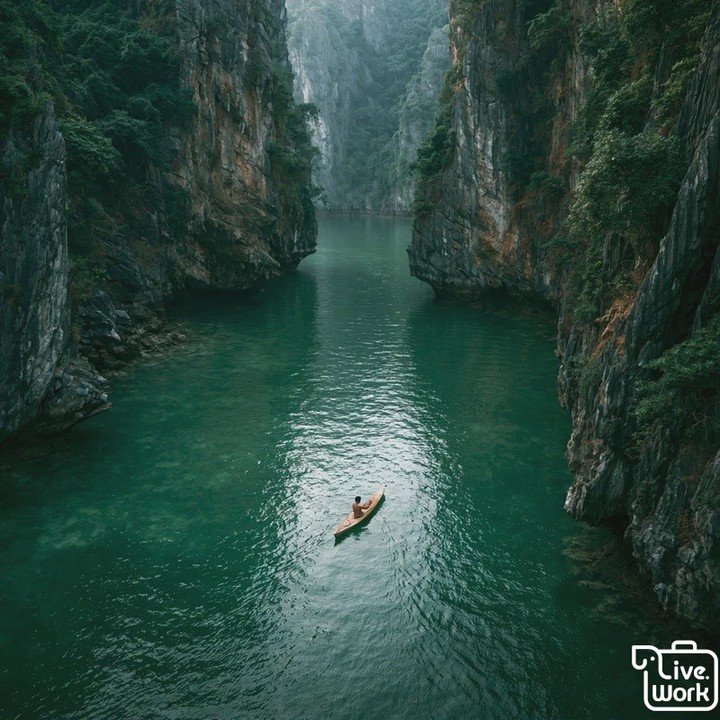
Phang Nga Bay is one of southern Thailand’s most distinctive coastal landscapes. Steep limestone towers rise almost vertically from green water, mangrove forests line sheltered channels, and narrow sea caves lead into hidden lagoons enclosed by cliffs. These collapsed limestone chambers are commonly called hongs, from the Thai word ห้อง, pronounced approximately “hong,” meaning “room.”
The easiest way to explore Phang Nga Bay is by organized boat tour. A boat covers enough distance to reach several viewpoints, islands, caves, and well-known rock formations in one day. Travelers who want a quieter and more immersive experience can choose a guided sea-kayaking tour, which allows small groups to enter low caves and paddle into hongs that larger boats cannot reach.
Tides are central to the experience. Some caves are accessible only during specific tidal windows, while others may become too shallow or too narrow when the water level changes. A good tour operator plans the route around local tide conditions rather than following exactly the same schedule every day.
Early morning and late afternoon generally offer softer light, lower temperatures, and a more peaceful atmosphere than the middle of the day. Wildlife sightings may include sea eagles, kingfishers, mudskippers, monkeys near mangroves, and birds resting on exposed rocks. These encounters are best enjoyed quietly and from a respectful distance.
Why Phang Nga Bay Looks So Unusual
Phang Nga Bay lies between the Thai mainland and Phuket in the Andaman Sea. Its dramatic scenery was formed over a very long period as water, weather, and geological processes gradually dissolved and reshaped ancient limestone.
The limestone formations are known as karsts. Some appear as narrow pillars standing alone in the water, while others form larger islands with caves, cliffs, overhangs, and enclosed lagoons. Their vertical sides are often covered with shrubs, vines, and small trees growing from cracks in the rock.
Below the cliffs, the landscape changes with the tide. Mudflats, mangrove roots, rocky shelves, and cave entrances may appear or disappear over several hours. The water can shift in color from gray-green to deep emerald depending on sunlight, cloud cover, sediment, and depth.
Phang Nga Bay is usually calmer than an exposed open-sea route because many islands and limestone formations provide shelter from waves. However, conditions still vary with wind, rain, seasonal weather, boat traffic, and the selected route.
The scenery is impressive from a distance, but the smaller details often become the most memorable part of the visit. Inside a cave, the sound of engines may fade, the air becomes cooler, and reflected light moves across the limestone. Emerging into a hong can feel like entering a separate landscape hidden inside the island.
What Is a Hong in Phang Nga Bay?
A hong is a chamber or lagoon surrounded by limestone walls. Many hongs were created when part of a cave system collapsed, leaving an open area inside the rock formation.
Some hongs can be reached through low sea caves. Depending on the tide, kayakers may need to lean back or lie almost flat while passing beneath the cave roof. Other chambers have wider entrances and can be entered more comfortably.
Once inside, visitors may find still water, mangrove vegetation, exposed limestone, small beaches, mudflats, or vertical cliffs covered in plants. The exact appearance changes with the tide and season. At high water, a lagoon may feel deep and enclosed. At low water, roots, rocks, and sediment may become visible.
Not every hong is accessible every day. Water levels, currents, weather, debris, and local safety conditions all affect whether a cave can be entered. A responsible guide will change the route rather than forcing access when conditions are unsuitable.
The word hong is often used broadly in tourism descriptions, but individual chambers differ considerably. Some are spacious and bright, while others are reached through long, dark passages. The quality of the experience depends less on visiting the greatest number of caves and more on reaching them at the right time and without excessive crowding.
Boat Tour or Sea Kayaking: Which Experience Is Better?
A boat tour is the most practical choice for travelers who want to see a broad selection of Phang Nga Bay in one day. Boats can travel between distant formations, stop at viewpoints, and combine caves with islands, coastal villages, or swimming areas when conditions allow.
A sea-kayaking tour offers a slower and more intimate perspective. Kayaks move quietly through mangrove channels and can enter caves that are inaccessible to larger vessels. Sitting close to the water also makes the scale of the cliffs more dramatic.
Many tours combine both experiences. A larger support boat carries passengers across the bay, then launches kayaks near suitable caves and hongs. This allows visitors to cover significant distance without spending the entire day paddling.
| Tour Style | Main Advantages | Possible Limitations | Best Suited To |
|---|---|---|---|
| Standard boat tour | Covers more distance and can include several islands, viewpoints, and recognizable formations in one day. | The experience may feel fast-paced, and popular stops can be crowded during peak periods. | First-time visitors who want a convenient overview of Phang Nga Bay. |
| Guided sea-kayak tour | Provides quiet access to caves, mangroves, and enclosed hongs with minimal wake and engine noise. | The route depends heavily on tides, and some cave passages can feel confined. | Nature lovers, photographers, and travelers who prefer slower exploration. |
| Support boat with kayak excursions | Combines long-distance transport with guided paddling inside caves and lagoons. | Group size and the amount of actual kayaking vary considerably between operators. | Visitors who want both comfort and close access to the limestone landscape. |
| Private or small-group charter | Offers more flexibility with timing, pacing, and less crowded stops when conditions permit. | Costs more and still cannot ignore tides, weather, park rules, or access restrictions. | Families, photographers, and groups seeking a quieter or more personalized day. |
The best option depends on the main priority. A standard boat trip is efficient and suitable for sightseeing. A kayak-focused excursion is better for observing the caves, water, and wildlife at a slower pace.
Travelers should read tour descriptions carefully. A trip described as “sea kayaking” may involve a guide paddling while guests sit in the front, while another may expect guests to paddle themselves. Neither approach is necessarily better, but the level of activity should be clear before booking.
Why Tides Matter in Phang Nga Bay
Tides affect almost every part of a cave and hong visit. A passage that is open in the morning may become too narrow several hours later. At very low tide, a cave may become too shallow for kayaks, while at high tide the water may rise close to the roof.
The ideal access time differs between caves. Some require lower water to create enough space beneath the ceiling. Others are easier when the water is high enough to float over rocks, mud, or shallow sections.
Tidal currents can also influence the difficulty of paddling. Water moving through a narrow cave entrance may become surprisingly strong, especially when the tide is changing quickly.
For this reason, travelers should avoid planning a cave visit based only on a general statement that low tide is always best. The useful tidal window depends on the specific location, weather, wind, and local conditions.
Experienced operators normally adjust departure times and the order of stops according to the day’s tide cycle. A reliable guide may visit the same locations in a different sequence from one day to the next.
Travelers arranging a private boat should confirm that cave and kayak timing will be planned around current tides. Simply requesting an early departure does not guarantee that every cave will be accessible immediately.
What to Expect Inside the Sea Caves
Entering a sea cave can be one of the most memorable parts of a Phang Nga Bay trip. The transition from bright open water to a shaded passage is sudden, and sounds become amplified by the rock walls.
Some caves are short and remain partly illuminated. Others extend through darker sections before opening into a hong. Guides may use a flashlight or headlamp to identify the safest route and show limestone textures, small animals, or changes in the cave ceiling.
Low passages can require passengers to lean backward. People who feel uncomfortable in enclosed spaces should ask about the cave route before entering. It is usually possible to remain on the support boat or choose a more open activity instead.
Touching the cave ceiling or formations should be avoided. Limestone surfaces can be sharp, and repeated contact can damage delicate features. Hands should remain inside the kayak unless a guide instructs otherwise for safety.
Silence improves the experience inside a hong. Without shouting or loud conversation, visitors can hear dripping water, insects, birds, and the movement of the kayak. Quiet behavior also reduces disturbance to animals resting in caves or trees.
The Best Time of Day to Visit Phang Nga Bay
Early morning is often the most comfortable time for exploring Phang Nga Bay. Temperatures are lower, light is softer, and some areas receive fewer visitors before the main tour boats arrive.
Morning light can create gentle reflections on the water and reveal layers of mist or haze between the limestone towers. The cooler conditions are also more comfortable for kayaking and sitting on an open boat.
Late afternoon offers warmer light and dramatic shadows across the cliffs. It can be especially attractive for photography, although the exact direction of the light depends on the route and location.
Midday usually brings stronger heat and brighter overhead light. The limestone landscape remains impressive, but unshaded boats, beaches, and viewpoints can become uncomfortable. Reflections from the water also increase sun exposure.
A later tour should leave enough time to return safely before dark. Sunset views can be beautiful, but sea conditions, distance, and local operating rules determine how late a route can continue.
Weekdays are often quieter than weekends, although popular sites may remain busy throughout the high travel season. Choosing a smaller group and a tide-aware route can make a greater difference than focusing only on the day of the week.
Seasonal Conditions in Phang Nga Bay
Phang Nga Bay can be visited during much of the year, but weather conditions vary. The drier months generally bring more predictable boat trips, clearer skies, and lower rainfall. They also attract more visitors.
The wetter monsoon period can produce greener landscapes, dramatic clouds, and fewer boats on some days. However, rain, wind, rough water, reduced visibility, and thunderstorms may affect the route or cause cancellations.
Rain alone does not necessarily ruin a bay trip. Light showers can soften the light and create a moody atmosphere around the cliffs. Strong wind and lightning are more serious concerns because they affect boat safety and cave access.
Weather can differ between Phuket, Phang Nga town, and areas deeper inside the bay. Conditions at a hotel do not always indicate what the boat will encounter later.
Tour operators should make decisions based on current marine conditions rather than pressure to complete a fixed itinerary. Travelers should accept that responsible operators may change, shorten, or cancel a route when conditions become unsafe.
Wildlife in Phang Nga Bay
Phang Nga Bay supports a range of coastal and marine wildlife. Visitors may see brahminy kites and white-bellied sea eagles flying above the cliffs, kingfishers near mangrove channels, herons standing in shallow water, or smaller birds resting in vegetation.
Monkeys are sometimes seen near mangrove forests, rocky shores, or frequently visited islands. Their behavior can change when they associate boats with food.
Feeding monkeys should be avoided. Human food can harm their health, encourage aggressive behavior, and increase conflict between wildlife and visitors. It can also draw animals toward boats and busy landing areas.
Birds should be observed quietly, particularly when they are resting or nesting. Approaching too closely for a photograph may cause them to leave a feeding or nesting area.
Mudflats and mangrove roots may reveal crabs, mudskippers, shellfish, and other small animals at lower tide. These species are easy to overlook but are essential parts of the ecosystem.
Wildlife sightings cannot be guaranteed. A responsible trip focuses on observing natural behavior rather than chasing, surrounding, calling, or baiting animals.
Mangroves and Their Role in the Bay
Mangrove forests are an important part of the Phang Nga Bay landscape. Their tangled root systems provide shelter for juvenile fish, crabs, shellfish, and many other organisms.
Mangroves also help reduce erosion and protect shorelines from waves. The roots trap sediment and create sheltered habitats where land and sea meet.
Kayaking through a mangrove channel reveals a quieter side of the bay than the famous open-water towers. Narrow waterways, overhanging branches, exposed roots, and bird calls create a more intimate environment.
Visitors should avoid grabbing branches, breaking roots, or forcing kayaks through areas that are too shallow. Mangrove mud can be deep and difficult to cross, so landing should occur only where permitted and appropriate.
Plastic waste is particularly harmful in mangrove areas because it becomes trapped among roots. Every item brought onto the boat should return with the visitor unless it is disposed of properly by the operator.
Choosing a Responsible Phang Nga Bay Tour
The quality of a Phang Nga Bay trip depends heavily on the operator. A responsible company should explain how the route changes with tides, what safety equipment is provided, and how the group will behave around wildlife and caves.
Smaller groups generally create a calmer experience, especially inside narrow caves and lagoons. They also reduce waiting time when kayaks must enter one at a time.
Travelers should ask how much of the day is spent travelling, sightseeing, kayaking, swimming, and waiting at stops. Tour names can sound similar even when the actual itineraries are very different.
A good operator should provide properly fitted life jackets and clear safety instructions. Kayaks, paddles, boat equipment, and communication systems should appear maintained and suitable for the planned route.
Guides should be willing to cancel a cave entry when the tide, current, weather, or crowd level makes it unsafe. Entering every advertised location should not take priority over safety.
Responsible tours discourage feeding wildlife, collecting shells, touching cave formations, damaging mangroves, or leaving waste. They should also avoid crowding animals or blocking their path.
What to Bring on a Phang Nga Bay Tour
Sun protection is essential because exposure from the water can be stronger than expected. Sunscreen, a hat, sunglasses with a secure strap, and lightweight clothing help reduce discomfort.
A small dry bag protects phones, wallets, cameras, and spare clothing. Even on a large boat, spray and sudden rain can reach personal belongings.
Quick-drying clothing is more practical than heavy cotton. Kayaking often leaves passengers damp even when they do not enter the water.
A light rain jacket can be useful during changing weather, although it should not interfere with the fit of a life jacket. A towel and a dry shirt make the return journey more comfortable.
Drinking water is usually provided on organized trips, but visitors should confirm what is included. Heat and humidity can cause dehydration even when the boat feels breezy.
Insect repellent may be useful near mangroves and during calmer periods, particularly around dawn and dusk.
Travelers prone to motion sickness should prepare before departure. Phang Nga Bay is often sheltered, but boat movement still varies with wind, vessel type, and route.
Photography in Phang Nga Bay
The limestone landscape offers strong compositions at almost every scale. Wide images show isolated towers and layered islands, while closer photographs reveal caves, mangrove roots, rock textures, and reflections.
Early and late light usually creates more depth than midday sun. Side lighting emphasizes the shape of the cliffs, while softer cloud cover can reduce harsh contrast between bright water and dark caves.
Inside a kayak, equipment should be limited and protected. Changing lenses or handling large cameras in a narrow cave can be awkward and increases the risk of dropping equipment.
Wildlife photography should never require feeding or approaching animals. A longer lens is more appropriate than moving close to birds or monkeys.
Visitors should also be considerate when photographing local communities, fishing activities, or people working on boats. Permission should be requested when individuals are clearly identifiable and form the main subject of an image.
Common Planning Mistakes
One common mistake is selecting a tour only by price. A lower-cost trip may use larger groups, spend less time kayaking, or follow a fixed route that prioritizes famous stops over quieter experiences.
Another mistake is assuming that every cave can be visited at any time. Tides may close access even in good weather, and a competent guide will not enter simply because the location appears on an itinerary.
Travelers sometimes underestimate sun exposure because the air feels cooler on a moving boat. Reflected sunlight can still cause sunburn quickly.
Trying to visit too many places in one day can also reduce the quality of the experience. Phang Nga Bay is better appreciated slowly than through a schedule built around brief photo stops.
Visitors should not expect completely empty lagoons at every popular site. Early departures and small groups can reduce crowding, but tides often create shared access windows that bring several tours to the same cave.
Finally, wildlife should not be treated as entertainment on demand. Quiet observation is more respectful and often produces better sightings than approaching closely.
Conclusion
Phang Nga Bay is best understood from the water. Boat tours reveal the scale of its limestone towers and allow visitors to travel between distant formations, while guided sea kayaking provides access to narrow caves, mangrove channels, and hidden hongs.
The most important planning factor is the tide. Cave access changes throughout the day, so a flexible operator with local knowledge is more valuable than an itinerary that promises the same route under every condition. Early morning and late afternoon generally offer softer light, lower temperatures, and a calmer atmosphere.
A responsible visit also means wearing suitable safety equipment, protecting the caves and mangroves, keeping distance from wildlife, and never feeding animals. These small choices preserve both the environment and the quiet character that makes the bay memorable.
Whether explored from a comfortable boat or at water level in a kayak, Phang Nga Bay offers far more than a collection of famous rock formations. Its caves, wetlands, tides, wildlife, and enclosed lagoons form a connected coastal landscape that rewards patience, silence, and careful observation.