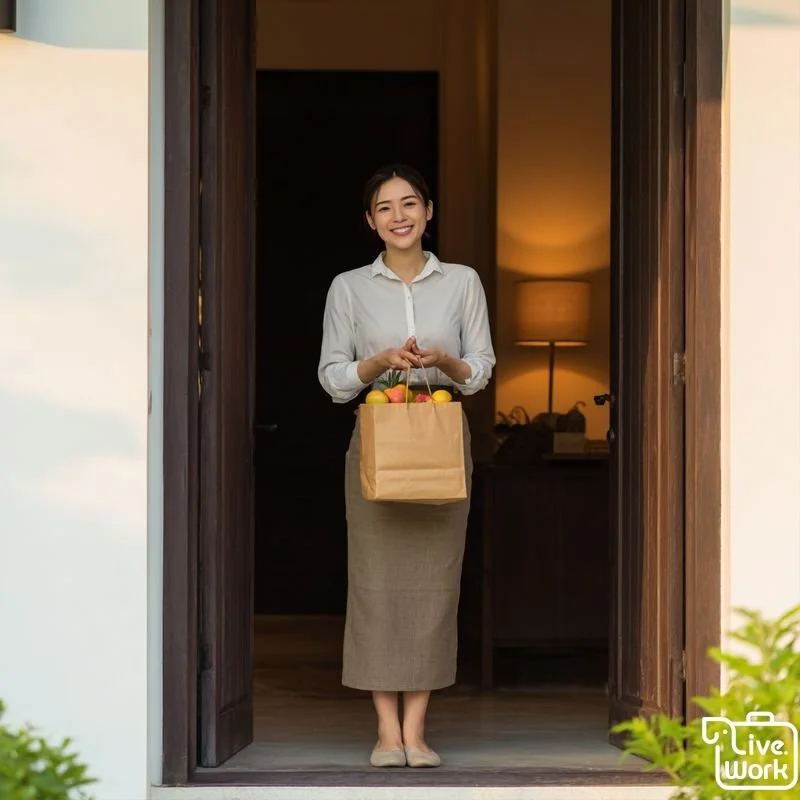
Thai Home Etiquette: How to Visit Respectfully and Make a Warm First Impression
Visiting a Thai home is one of the most meaningful ways to experience Thai culture beyond temples, markets, and restaurants. A home visit is personal. It brings you into someone’s private space, their family rhythm, and often their way of showing hospitality through food, conversation, and small gestures of care. The good news is that Thai home etiquette is not difficult. It is mostly about awareness, gentleness, and showing that you respect the household.
A few thoughtful habits can make a big difference. Removing your shoes neatly, greeting elders politely, waiting to be invited to sit, and bringing a small gift all show that you understand the visit is not just social, but cultural. You do not need to behave perfectly or know every detail. What matters most is that you enter the home with humility, warmth, and attention to the people around you.
Start at the Door: Shoes Off, Respect On
The first moment of Thai home etiquette begins before you step inside. In most Thai homes, shoes are removed at the entrance. You will usually see a shoe rack, sandals placed outside, or a clear line of footwear near the door. This is your signal to take off your shoes before entering.
The gesture is practical, but it also carries cultural meaning. The outside world is considered dusty and unclean, while the home is a cleaner, more intimate space. Removing your shoes shows that you recognize that boundary.
When you take off your shoes, place them neatly to the side rather than leaving them scattered in the walkway. This small detail matters. It shows care and avoids creating a tripping hazard for others. If you are unsure whether shoes should come off, simply pause near the entrance and observe what the host does. Most hosts will gently guide you.
Greeting the Host: The Wai and the First Impression
Once inside or at the doorway, greeting your host politely sets the tone for the visit. A gentle wai is often appreciated, especially when greeting elders or someone you are meeting for the first time. To wai, place your palms together in front of your chest and lower your head slightly. The gesture should feel calm and respectful, not exaggerated.
You do not need to wai everyone repeatedly. A simple wai to the host or elder family members is usually enough. If someone is younger, very casual, or clearly greets you first with a handshake or smile, you can follow their lead. Thai etiquette is often flexible in everyday settings, especially when hosts know you are a foreign guest.
The key is to be gentle. A warm smile, quiet voice, and respectful posture go a long way.
Waiting to Sit: Let the Host Guide the Space
Inside a Thai home, it is polite to wait before choosing where to sit. The host may point you toward a chair, sofa, floor mat, or dining area. Waiting for this invitation avoids accidentally sitting in a place reserved for elders, family members, or household routines.
In more traditional homes, especially outside major cities or during family gatherings, people may sit on the floor. If you are invited to sit this way, pay attention to your feet. In Thai culture, the feet are considered the lowest and least polite part of the body, so pointing the soles of your feet at people, Buddha images, household shrines, or food is considered disrespectful.
The safest sitting posture is to tuck your feet behind you or to the side. You do not need to force an uncomfortable position for a long time, but try to avoid stretching your legs directly toward others. If you need to adjust, do it discreetly.
Bringing a Gift: A Small Gesture with Big Warmth
Bringing a small gift is a thoughtful way to show appreciation for being invited. It does not need to be expensive. In fact, overly lavish gifts can sometimes feel too formal or create pressure. The best gifts are simple, shareable, and easy for the host to use.
Fresh fruit is always a safe and welcome choice. Thai desserts, good tea or coffee, snacks from your hometown, or a small regional specialty are also thoughtful. If you are visiting from abroad or from another part of Thailand, something connected to your home area can become a nice conversation starter.
The gift does not need to be opened immediately. In some households, the host may set it aside rather than opening it in front of you. This is normal and not a sign of disinterest.
Food and Hospitality: Accepting with Appreciation
Thai hospitality often appears through food. Even if you are only visiting briefly, you may be offered fruit, snacks, water, coffee, tea, or a full meal. Accepting something small is usually a polite way to show appreciation, even if you are not very hungry.
If a meal is served, wait for the host or elders to begin, or follow the group’s rhythm. Thai meals are often shared, with several dishes placed in the center. Take modest portions first, especially if you are trying something unfamiliar. Complimenting the food is always welcome, and a simple “Aroi mak!” meaning “very delicious,” can bring a smile.
If something is too spicy, it is fine to say so politely. Thai hosts are often happy to adjust or offer something milder. What matters is that you respond with gratitude rather than embarrassment.
Polite Phrases That Help
A few Thai phrases can make the visit feel warmer and more personal. Pronunciation does not need to be perfect. The effort itself is usually appreciated.
| Situation | Thai Phrase | Meaning and Use |
|---|---|---|
| Thanking the host | Khob khun khrap/ka | Thank you. Men usually say “khrap,” while women usually say “ka.” Use this when receiving food, drinks, help, or hospitality. |
| Complimenting food | Aroi mak | Very delicious. This is a simple and friendly way to show appreciation after eating. |
| Greeting politely | Sawasdee khrap/ka | Hello. Often used together with a wai when greeting the host or elder family members. |
| Excusing yourself | Khor thot khrap/ka | Sorry or excuse me. Useful if you need to pass by someone, adjust your seat, or politely interrupt. |
| Saying goodbye | La gon khrap/ka | Goodbye. Use this when leaving, especially after thanking the host. |
Respecting Elders and Family Hierarchy
Thai households often place strong importance on age and family roles. Elders are usually treated with special respect, even in relaxed family settings. When greeting a group, it is polite to acknowledge older family members first. A wai, a smile, and a slightly quieter tone show that you understand their position in the household.
If food is being served, elders may be invited to begin first. If seating is limited, younger people may naturally give better seats to older relatives. These small patterns may not be explained directly, but observing them helps you understand the household atmosphere.
You do not need to overthink every moment. Simply being aware of elders and showing patience is enough.
Body Language Inside the Home
Thai etiquette often values calm, controlled body language. Loud voices, big gestures, or overly direct behavior can feel uncomfortable in a private home, especially during a first visit. A relaxed posture, soft voice, and friendly expression create a better impression.
Avoid touching anyone’s head, including children, unless you are very close to the family and know it is acceptable. The head is culturally considered a high and respected part of the body. Similarly, avoid pointing with your feet or stepping over people, food, or personal belongings.
If you need to pass in front of someone, especially an elder, it is polite to lower your body slightly or say “khor thot khrap/ka” as you move past.
Household Shrines and Sacred Spaces
Many Thai homes have a small shrine, Buddha image, spirit house area, or religious items displayed in a respected place. These should be treated with care. Do not touch religious objects unless invited. Avoid standing too casually near them, placing personal belongings beside them, or pointing your feet in their direction if seated nearby.
If the family makes offerings, prays, or lights incense, you can quietly observe unless invited to join. Respectful silence is always acceptable.
When You Are Offered More Than You Expected
Thai hosts can be very generous. You may be offered more food, more drinks, or even leftovers to take home. This generosity is part of hospitality, but you do not need to accept everything without limit.
If you are full, you can smile and say thank you. A polite refusal is usually fine when expressed gently. Complimenting what you already received helps soften the refusal. For example, saying that the food was delicious but you are very full shows appreciation while setting a boundary.
The important thing is not to reject hospitality abruptly. Warmth matters more than the exact words.
Leaving the Home: End with Gratitude
When it is time to leave, thank the host clearly. A wai may be appropriate again, especially if elders are present. Saying “Khob khun khrap/ka” with a smile is simple and effective.
If you brought a gift, ate a meal, or were hosted for several hours, a message afterward can also be a thoughtful gesture. A short thank-you note or message saying that you enjoyed the visit and appreciated the food or hospitality will be warmly received.
This final expression of gratitude completes the visit respectfully.
Conclusion
Visiting a Thai home is a chance to experience hospitality in one of its most personal forms. The customs are not complicated, but they are meaningful. Removing your shoes, greeting with a gentle wai, sitting respectfully, bringing a small gift, and saying thank you in Thai all show that you value the invitation. More than anything, Thai home etiquette is about entering someone’s space with care. When you observe, move gently, and respond with gratitude, you make a warm impression and create space for a genuine connection.