Chiang Mai Old City Half-Day Walk: Ancient Walls, Quiet Sois, Temple Courtyards, and Slow Coffee
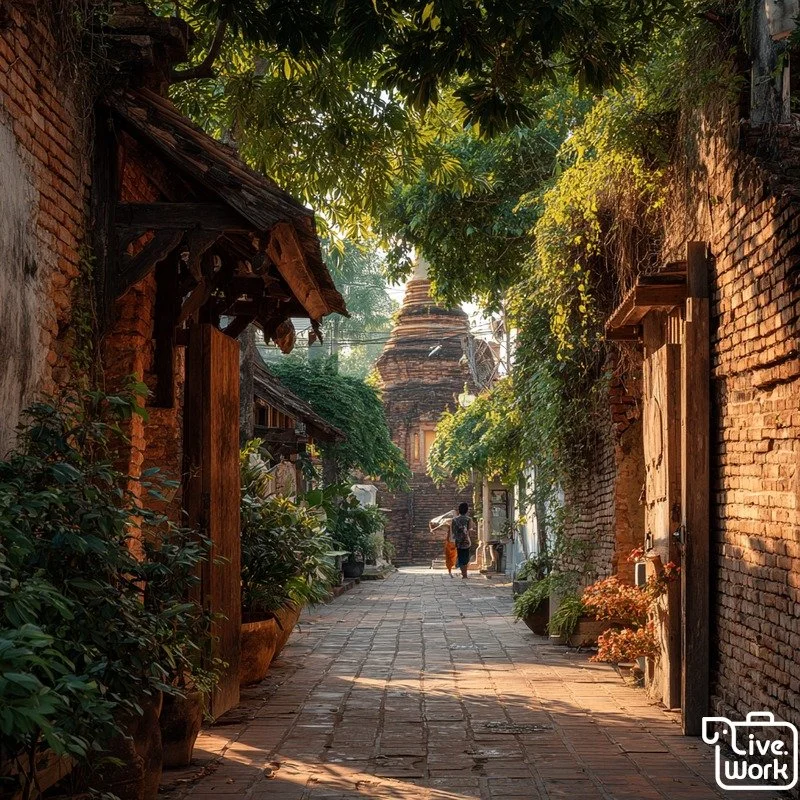
A half-day walk through Chiang Mai’s Old City is one of the best ways to understand why the city feels so different from Thailand’s larger urban centers. Inside the square of old walls and moats, the atmosphere changes street by street. Traffic still exists, cafés still hum, and scooters still pass through narrow lanes, but between all of that are brick temple walls, carved teak doors, shaded courtyards, frangipani trees, and quiet side sois where the pace softens almost immediately.
This is not a walk that needs to be rushed. In fact, the Old City rewards the opposite approach. The best experience comes from starting early, choosing only a few main temple stops, and leaving enough space for small discoveries between them. Wat Chedi Luang is a 14th-century temple known for its enormous chedi and the City Pillar Shrine, according to the Tourism Authority of Thailand, while Wat Phra Singh sits in the western part of the Old City and is widely recognized as one of Chiang Mai’s most important Lanna temple complexes.
Why Start Early
The Old City feels most generous in the morning. Between roughly 7:00 and 10:00, the light is softer, the air is cooler, and the temple courtyards feel more open. The sun catches the edges of old brickwork without becoming harsh, wooden details glow warmly, and the streets have not yet reached the full intensity of the day.
Starting early also changes how you move. Instead of searching for shade immediately, you can walk slowly and look around. You notice the moat water reflecting trees, the texture of old walls, the small spirit houses near doorways, and the way monks and locals move through temple grounds as part of ordinary life. This matters because Chiang Mai’s Old City is not just an attraction zone. It is still a living neighborhood, layered with religious practice, local routines, cafés, guesthouses, homes, schools, and markets.
A good half-day wander should feel like entering this rhythm, not interrupting it.
The Old City as a Walking Landscape
Chiang Mai’s Old City is compact enough to explore on foot, but it is dense with detail. The square layout, defined by moats and surviving wall sections, gives the area a strong sense of place. Within that frame, however, the experience is surprisingly varied. Some streets feel active and commercial, with cafés, restaurants, and shops. Others turn suddenly quiet, revealing temple walls, leafy corners, and small residential lanes.
The beauty of walking here is that the transitions happen gradually. You may begin on a busier road, turn into a side soi, and within a minute find yourself beside a wooden gate, a small shrine, or a courtyard where the traffic noise fades behind trees. These shifts are what make the Old City ideal for a half-day route. You do not need to cover huge distances to feel like the atmosphere keeps changing.
Wat Chedi Luang: The Weight of History in the Center of the City
Wat Chedi Luang is one of the most powerful places to begin. The temple’s large ruined chedi gives the compound a sense of age and gravity that is different from more polished temple complexes. Its scale is immediately striking. Even partially restored and weathered, it dominates the courtyard and reminds you that Chiang Mai was once the capital of the Lanna Kingdom.
The temple grounds are best explored slowly. Stand back first and take in the size of the chedi, then move closer to notice the brickwork, naga details, carved entrances, and smaller structures around the compound. The contrast between old masonry and active worship spaces is part of what makes the site meaningful. It is historical, but not frozen. People still come here to pray, make merit, sit quietly, and pass through as part of daily life.
Because it is a major stop, Wat Chedi Luang can become busy later in the morning. Arriving early gives the space more silence and allows you to experience the courtyard before it becomes primarily a photo stop.
Between Temples: The Importance of the Side Sois
After Wat Chedi Luang, resist the urge to walk directly and quickly to the next famous temple. The most memorable part of an Old City walk often happens in between the major sites. Side sois reveal the quieter texture of Chiang Mai: wooden façades, bougainvillea over walls, frangipani flowers fallen on the pavement, small guesthouses with shaded entrances, and local homes tucked behind gates.
These lanes are where you begin to understand the Old City as a lived-in place. A temple bell may sound from behind a wall. Someone may sweep leaves from a courtyard. A café may appear inside a renovated wooden house, with only a small sign outside. These small moments add depth to the walk because they keep it from becoming only a temple checklist.
This is also where the heat strategy begins. Even in the morning, Chiang Mai warms quickly. Every 30 to 45 minutes, it is worth stepping into shade, pausing near a courtyard tree, or sitting down for water. These breaks are not interruptions; they are part of the walk’s rhythm.
Wat Phra Singh: Lanna Elegance and Courtyard Calm
Wat Phra Singh offers a different kind of beauty. Where Wat Chedi Luang feels monumental and ancient, Wat Phra Singh feels refined, detailed, and deeply connected to Lanna artistic identity. The temple is located in the western part of the Old City and is associated with classic northern Thai architecture, carved details, and important Buddha imagery.
The compound rewards close attention. Look at the layered roofs, the ornamental gables, the carved wooden elements, and the way the buildings sit within the courtyard. The atmosphere often feels spacious, especially if you arrive before peak visiting hours. Rather than simply photographing the main hall and leaving, take time to walk around the grounds and notice how the temple functions as a complex of spaces: prayer halls, chedis, shaded walkways, and quiet corners.
This is also a good place to slow down physically. Temple visits should not feel like a race. The slower you move, the more the details become visible.
Coffee Behind a Wooden Façade
A half-day Old City walk needs a proper coffee break. Chiang Mai is full of cafés, but the most satisfying stop for this route is not necessarily the trendiest one. Look for a small café tucked into a wooden building, a shaded courtyard, or a quiet soi where the sound drops slightly from the main road.
This break serves several purposes. It helps you rehydrate, cool down, and reset your attention before continuing. It also gives the walk a human pause. From a café table, you may notice the same street differently: delivery riders passing, monks walking between temple grounds, residents moving through daily routines, and travelers drifting past with maps and cameras.
A good Old City café stop should feel unhurried. Order an iced coffee, tea, juice, or water, sit for longer than you think you need, and let the day slow down again.
Staying Cool Without Losing the Flow
Chiang Mai’s midday heat is real, especially during the hot season. The best half-day route is built around shade, water, and pacing. Breathable clothing matters because you will be moving between sunlit streets and temple courtyards. A refillable water bottle helps you avoid dehydration, and a hat or light umbrella can make exposed sections more comfortable.
The most important strategy is not pushing through heat just because the distances look short on a map. In the Old City, a 15-minute walk can feel easy in the morning and draining near noon. Build shade breaks into the plan before you feel tired. Temple trees, café interiors, shaded walls, and quiet courtyards are all part of the route.
Here is a simple structure for a comfortable half-day wander, formatted in the same HTML table style as before:
| Part of the Walk | Atmosphere | Best Focus |
|---|---|---|
| Early Start | Cooler air, softer light, and quieter streets before the heat and traffic build. | Begin with a gentle stroll near the old walls or moat, using the morning light for photos and a calm first impression of the Old City. |
| First Temple Stop | Reflective and historic, with spacious courtyards and architectural details easier to appreciate before crowds arrive. | Visit Wat Chedi Luang slowly, taking time to observe the old chedi, surrounding halls, and active worship spaces. |
| Side Soi Detour | Quiet, local, and shaded in places, with wooden façades, hidden gates, frangipani trees, and everyday neighborhood scenes. | Wander without rushing, letting small details between major temples become part of the experience. |
| Coffee Break | Cool, restful, and restorative after the first stretch of walking. | Choose a small café behind a wooden façade or in a quiet courtyard, rehydrate, and pause before continuing. |
| Second Temple Stop | Elegant and artistic, with Lanna architecture, carved details, and peaceful temple grounds. | Explore Wat Phra Singh with attention to the roofs, woodwork, courtyards, and slower temple rhythm. |
| Late-Morning Finish | Warmer and brighter as the city becomes busier and the sun grows stronger. | End with a shaded walk, light lunch, or return to your hotel before the peak midday heat. |
Temple Etiquette: Respecting Living Places of Worship
Chiang Mai’s temples are beautiful, but they are not simply photo backdrops. They are active religious spaces where people pray, make offerings, study, chant, and gather. Visiting respectfully makes the experience better for everyone.
Shoulders and knees should be covered inside temple grounds, especially when entering prayer halls. Shoes must be removed before going into temple buildings, so easy-on shoes make the day smoother. Once inside, speak softly and avoid standing directly in front of people who are praying. If you sit, keep your feet tucked to the side or behind you rather than pointing them toward Buddha images or worshippers.
Photography is usually allowed in many outdoor areas, but it should still be done with awareness. Avoid photographing people in prayer at close range, do not block entrances for portraits, and step aside when others are trying to pass. The quieter and more observant you are, the more naturally you fit into the space.
A Route That Feels Better When It Stays Flexible
A half-day walk does not need to follow a rigid line. The Old City is compact enough that you can adapt as you go. If one temple feels crowded, linger in the courtyard instead of entering immediately. If a café looks inviting, stop earlier than planned. If a side soi feels peaceful, follow it for a few minutes and then reorient yourself.
This flexibility is what makes Chiang Mai walking enjoyable. The city rewards attention more than speed. A carved teak door, a quiet shrine, a flowering tree, or a shaded bench can become as memorable as the headline temples when you give yourself time to notice them.
Conclusion
A half-day wander through Chiang Mai’s Old City is one of the most rewarding ways to experience the city’s layered character. Starting early gives you soft light, cooler air, and quieter temple courtyards. Wat Chedi Luang brings historic depth and monumental brickwork, while Wat Phra Singh offers refined Lanna beauty and peaceful detail. Between them, side sois, wooden façades, hidden gates, frangipani trees, and small cafés reveal the everyday life that makes the Old City feel alive. With breathable clothing, regular shade breaks, and respectful temple etiquette, the walk becomes more than sightseeing. It becomes a slow, thoughtful encounter with Chiang Mai’s history, faith, and daily rhythm.