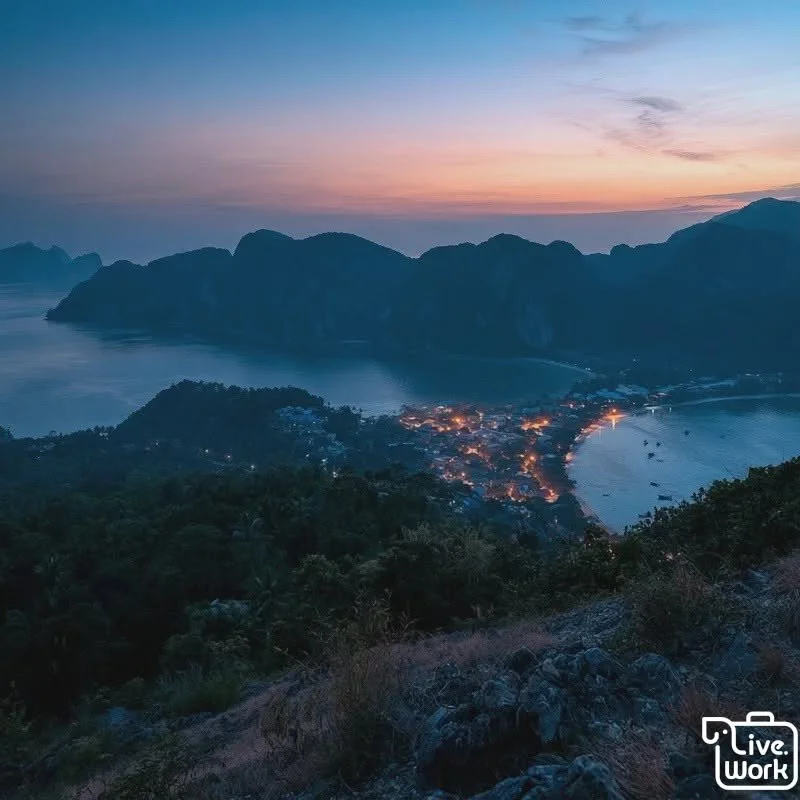
Koh Phi Phi Before Sunrise: Viewpoints, Dawn Longtails, Maya Bay, Pileh Lagoon, and How to Enjoy the Island Quietly
Koh Phi Phi changes completely before sunrise. The island that can feel busy, social, and full of boat engines during the day becomes softer, cooler, and almost secretive in the early hours. The lanes are quieter, the beach is still waking up, the sea has not yet filled with tour boats, and the limestone cliffs slowly take shape in the first grey-blue light. For travelers who only see Phi Phi at midday, it is easy to think of the island as crowded and overrun. But if you wake up early, move gently, and choose your route carefully, Phi Phi reveals a calmer side.
The best early-morning plan is simple: start with Phi Phi Viewpoint before sunrise, then continue with a dawn longtail boat to Maya Bay or Pileh Lagoon. This gives you the island from above and from the water, both in the quietest part of the day. The goal is not to rush through famous places before everyone else arrives. The goal is to experience them with more space, less noise, softer light, and more respect for the fragile beauty that makes Phi Phi so special.
An early start is also a responsibility. When you reach beautiful places before the crowds, you have the chance to set the tone. Keep your voice low, move carefully, avoid blocking paths, take your trash back with you, and treat the sea and coral as living environments rather than photo props. The best souvenir from an early Phi Phi morning is not only the photo you bring home. It is knowing you left the place as peaceful as you found it.
Why Phi Phi Feels Different Before Sunrise
The main village area of Koh Phi Phi can feel energetic during the day and evening. Boats arrive, day-trippers move through the piers, cafés and restaurants fill up, and narrow lanes become busy with people walking between beaches, hotels, dive shops, and tour offices. That activity is part of Phi Phi’s identity, but it can easily dominate the experience.
Before sunrise, the island has a different rhythm. The air is cooler, the streets are emptier, and sound travels differently. You may hear the sea more clearly, the first engines starting in the distance, or footsteps on quiet paths. The limestone cliffs appear slowly rather than all at once. This softer version of Phi Phi feels less like a famous destination and more like an island landscape.
This is why waking up early matters. It gives you access to a window of time when the island is not yet overwhelmed by movement. You are not escaping tourism entirely, but you are entering the day before tourism fully wakes up.
Start with Phi Phi Viewpoint
Phi Phi Viewpoint is one of the most rewarding early-morning walks on the island because it gives you the classic view over the twin bays of Koh Phi Phi Don. From above, the geography becomes clear: the narrow strip of land between Ton Sai Bay and Loh Dalum Bay, the curve of the beaches, the boats anchored below, and the limestone cliffs rising around the water.
For sunrise, aim to arrive at the viewpoint area about 45 to 60 minutes before sunrise. This does not mean starting the climb at sunrise. It means giving yourself enough time to walk up in cooler air, move at a comfortable pace, find a place to stand or sit, and let your eyes adjust before the first real light appears.
The climb is not extremely long, but it can feel steep, especially in humidity. In the early morning, the cooler temperature makes it much more pleasant than attempting it later in the day. Wear shoes or sandals with decent grip rather than loose beach flip-flops, bring water, and avoid carrying a heavy bag. A small day bag is enough.
The reward is not only the sunrise itself. Sometimes clouds soften the view, or the sun rises behind haze. That is still beautiful. The real experience is watching the island slowly gain shape: dark hills turning green, bay water becoming silver, boats becoming visible, and the first warm color touching the cliffs.
Viewpoint Etiquette: Share the Space
Because Phi Phi Viewpoint has narrow sections, photo spots, and limited viewing areas, etiquette matters. Arriving early does not mean owning the best place. It means sharing it well.
Keep your voice low, especially before sunrise. Many people climb early because they want quiet. Loud talking, music from phones, or repeated shouting across the viewpoint breaks the atmosphere. Take photos, but do not occupy the same spot for too long. Step aside after you get your shot so others can have a moment too.
Avoid blocking narrow paths with tripods, bags, or group poses. If you are traveling with friends, take turns instead of forming a wall at the viewpoint edge. Sunrise is short, and everyone who made the effort to climb deserves space to enjoy it.
The best early-morning photographers are not only the ones who get beautiful images. They are the ones who move lightly enough that other people can also enjoy the scene.
Dawn Longtail Boat: The Quieter Way to See Phi Phi Leh
After the viewpoint, the next beautiful early experience is a dawn longtail boat toward Phi Phi Leh, Maya Bay, or Pileh Lagoon. A longtail at this hour feels very different from a midday tour. The sea is often calmer, the light is softer, and there are fewer engines competing for space. The boat ride itself becomes part of the experience rather than just transport.
A dawn departure works especially well because the cliffs around Phi Phi Leh look dramatic in low light. Their shapes are strong even before the sun becomes bright. The water may appear darker and more reflective, and the whole landscape feels quieter. Even if other boats are present, the early hour usually gives the route more breathing room than peak tour times.
Choosing a longtail boat also slows the pace. Speedboats are efficient, but longtails give the trip a more traditional, open-air feeling. You are closer to the water, more aware of the cliffs, and more connected to the sound of the boat, the wind, and the sea.
This does not mean every dawn trip will be empty or perfectly still. Phi Phi is famous, and early tours are popular for a reason. But the atmosphere is usually softer, and that alone can transform the experience.
Maya Bay: Beauty with Boundaries
Maya Bay is one of the most famous places in Thailand, and that fame comes with pressure. Its beauty is obvious: pale sand, steep limestone walls, clear water, and a natural amphitheater feeling that makes the bay look almost unreal. But it is also a fragile place that has needed strict management because of overtourism and environmental stress.
This is why visitors should approach Maya Bay with humility. Rules may change depending on season, conservation needs, weather, and national park management. Sometimes access is limited, swimming may be restricted, boats may use specific entry points, and visitor numbers may be controlled. Do not treat these rules as inconveniences. They are part of the reason the place can recover and remain beautiful.
If your dawn longtail includes Maya Bay, listen carefully to the boat operator and park staff. Stay within allowed areas, do not enter restricted zones, do not collect shells or coral, and avoid treating the beach as a private photo studio. The more famous a place is, the more responsibility each visitor has to behave gently.
Maya Bay is not beautiful because people can do whatever they want there. It is beautiful because the landscape is extraordinary and because protection matters.
Pileh Lagoon: Quiet Water, Limestone Walls, and Slow Movement
Pileh Lagoon offers a different mood from Maya Bay. It is enclosed, vertical, and deeply scenic, with limestone cliffs surrounding bright water. At dawn or early morning, the lagoon can feel especially calm because the light is still soft and the number of boats may be lower than later in the day.
This is a place where slow movement works best. Instead of rushing to take dozens of photos, sit quietly for a moment and look at the walls around you. Notice how the water changes color depending on depth and light. Watch how sound echoes between the cliffs. Let the boat drift if conditions allow.
If swimming or snorkeling is part of the stop, follow guide instructions and stay within safe areas. Lagoon conditions can change with tide, boat traffic, and weather. Even calm-looking water deserves respect.
Pileh is one of those places where the atmosphere can be ruined by noise. Loud music, shouting, and careless boat behavior change the mood quickly. The quieter you are, the more powerful the place feels.
Snorkeling Responsibly Around Phi Phi
Phi Phi’s water is a major part of its appeal, but coral and marine life are easily damaged. Snorkeling should feel like observation, not interference. Never touch coral, even if it looks like rock. Coral is fragile and can be harmed by hands, feet, fins, and accidental contact. Keep your fins up when you are near the reef and stay horizontal in the water so you do not kick downward.
Do not feed fish. Feeding may seem harmless, but it changes natural behavior and can damage the balance of the marine environment. Fish should not learn to associate boats and people with food. Do not chase marine life for photos, and do not crowd animals if they appear. A respectful distance is part of a good sighting.
If you use sunscreen, choose reef-conscious options and apply them before entering the water. Better yet, wear a rash guard or sun-protective shirt so you need less product in the first place. Sun protection is important, but it should not come at the expense of the reef.
A Simple Early-Morning Phi Phi Flow
| Part of the Morning | Atmosphere | Best Focus |
|---|---|---|
| Pre-Sunrise Start | Cool, quiet, and still, with empty lanes and the island slowly beginning to wake up. | Leave early enough to reach Phi Phi Viewpoint 45–60 minutes before sunrise, carrying only water, a small bag, and essentials. |
| Phi Phi Viewpoint | Soft, scenic, and atmospheric, with first light spreading over the twin bays before the busiest visitor flow arrives. | Climb slowly, keep voices low, avoid blocking narrow paths, and take turns at photo spots so everyone can enjoy the view. |
| Dawn Longtail Departure | Calmer and more open, with fewer engines, softer light, and a stronger sense of moving through the islands gently. | Choose a dawn longtail toward Maya Bay or Pileh Lagoon, and let the boat ride itself become part of the experience. |
| Maya Bay or Pileh Lagoon | Dramatic, quiet, and visually powerful, with limestone cliffs, pale water, and a more respectful mood before peak crowds. | Follow all access rules, listen to guides, stay in permitted areas, and enjoy the scenery without treating it like a private photo set. |
| Snorkel Stop | Bright and delicate, with reef fish, coral areas, and changing water conditions depending on weather and boat traffic. | Never touch coral, keep fins up, avoid feeding fish, give wildlife space, and use sun protection that reduces harm to the reef. |
| Return to Phi Phi Don | Warmer and more active as the day begins, boats increase, and the island shifts into its usual daytime rhythm. | Carry out all trash, refill water responsibly, avoid single-use plastics where possible, and let the early calm shape the rest of your day. |
What to Bring for an Early Phi Phi Morning
An early Phi Phi plan works best with a small, organized bag. You do not want to climb to the viewpoint with unnecessary weight, and you do not want loose items rolling around in a longtail boat. Pack light, but pack thoughtfully.
| Item | Why It Helps | Best Use During the Morning |
|---|---|---|
| Small Day Bag | Keeps essentials together without weighing you down during the viewpoint climb or boat transfer. | Use it for water, phone, camera, towel, dry bag, and any small trash you need to carry back out. |
| Water Bottle | The climb can still feel humid even before sunrise, and boat time adds sun and salt exposure. | Bring a refillable bottle to reduce single-use plastic and drink before you feel thirsty. |
| Dry Bag or Waterproof Pouch | Protects your phone, wallet, camera, and documents from boat spray, wet decks, rain, and beach landings. | Use it during longtail rides, snorkeling stops, and any time your bag is near water. |
| Light Towel or Sarong | Useful after snorkeling, swimming, or sitting on damp boat surfaces. | Keep it compact so it does not take over your bag during the viewpoint climb. |
| Rash Guard or Sun Shirt | Reduces the need for sunscreen and protects shoulders and back during boat time and snorkeling. | Wear it during the boat trip and any snorkel stop to protect both your skin and the reef. |
| Comfortable Shoes or Secure Sandals | The viewpoint climb can be steep and humid, and boat landings may involve wet surfaces. | Use footwear with enough grip for early walking, steps, slopes, and slippery boat areas. |
| Trash Bag or Reusable Pouch | Makes it easy to carry out wrappers, tissues, bottle caps, or any small waste from the morning. | Keep every bit of trash with you until you can dispose of it properly back on the main island. |
Photography Without Taking Over the Place
Phi Phi is extremely photogenic, especially at sunrise and on the water, but photography should not dominate the experience or disturb others. At the viewpoint, take your photos efficiently and then step aside. Avoid spreading bags, tripods, or people across narrow sections. If someone else is waiting, acknowledge them and share the space.
On a boat, keep your body stable and avoid leaning dangerously for a shot. Longtails can shift with waves and movement, especially when people stand suddenly. Ask the boat operator where it is safe to sit or stand. The best photos usually come from patience rather than risky movement.
At Maya Bay, Pileh Lagoon, or snorkel spots, avoid blocking paths, crowding other visitors, or chasing wildlife. A beautiful photo is not worth damaging coral, disturbing fish, or making the place less peaceful for everyone else.
The strongest images from Phi Phi often come when you let the scene breathe: a quiet boat against cliffs, soft light over the twin bays, a hand on a wooden longtail edge, or the first glow on the limestone wall. You do not need to force the landscape. It is already doing enough.
Reducing Plastic and Carrying Out Trash
Early morning gives you a chance to experience Phi Phi at its cleanest and calmest, and that should come with a commitment to leave no trace. Bring a refillable water bottle when possible, refuse unnecessary plastic bags, and avoid single-use items that can easily end up in the sea or on the beach.
Even tiny pieces of trash matter. Bottle caps, snack wrappers, tissues, cigarette filters, and plastic packaging can move quickly from boat to water to reef. If you bring something with you, bring it back. A small reusable pouch or trash bag makes this simple.
Responsible travel is not only about dramatic environmental actions. It is about small habits repeated by many people. When every visitor carries out their own waste, famous places have a better chance of staying beautiful.
Why “Early” Should Also Mean Gentle
There is a temptation to treat early access as a race: get there first, take the photo first, reach the beach before everyone else, capture the empty shot before another boat arrives. But the better approach is to see “early” as an invitation to be gentler.
Move more quietly because the island is still waking up. Take fewer photos and look longer. Let others have space at the viewpoint. Ask your boat operator to follow rules rather than push closer for a better angle. Float near reefs without touching them. Watch wildlife without interfering. Carry your trash back out.
The point of waking early is not only to avoid crowds. It is to experience the island in a way that feels more respectful than the busiest part of the day.
Conclusion
Koh Phi Phi is at its most magical before sunrise, when the air is cooler, the paths are quieter, and the island’s cliffs and twin bays slowly appear in soft light. Starting with Phi Phi Viewpoint gives you a peaceful overview before the crowds arrive, while a dawn longtail to Maya Bay or Pileh Lagoon lets you experience the water in a calmer, more respectful mood. The best early-morning plan is simple: arrive 45–60 minutes before sunrise, move quietly, share photo spaces, choose boat operators who follow rules, and protect the reef by avoiding coral contact, fish feeding, and unnecessary plastic. When you carry out your trash and leave each place as pristine as you found it, the island gives you something better than a perfect photo. It gives you the feeling of having met Phi Phi at its most peaceful.