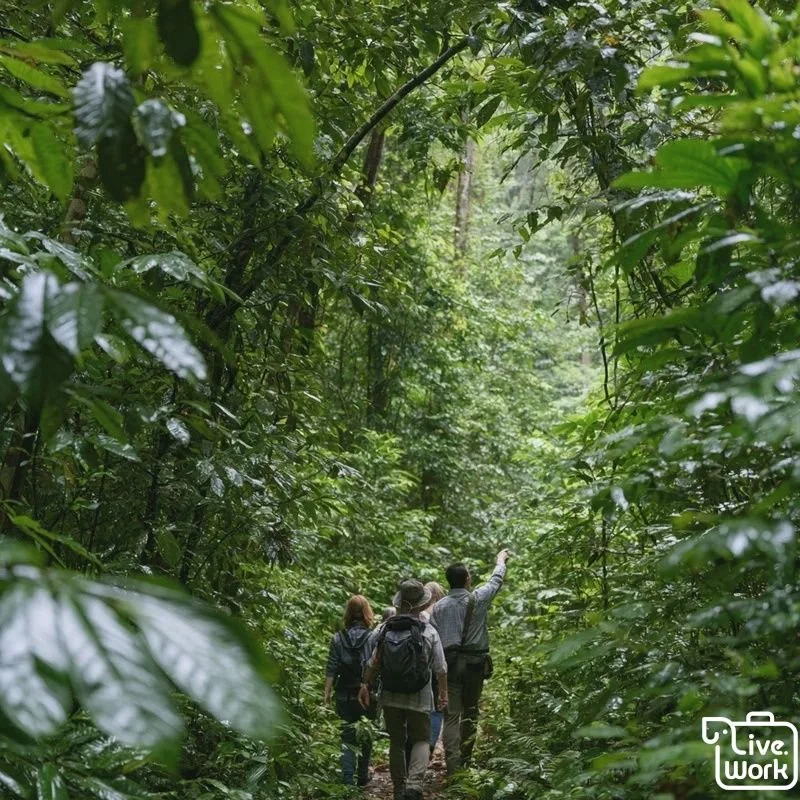
Kaeng Krachan Weekend Escape: Misty Forests, Birdlife, Reservoir Views, and a True Wilderness Reset Near Bangkok
Kaeng Krachan National Park is one of the most rewarding nature escapes within weekend distance of Bangkok. It feels far wilder than its travel time suggests: lush forested mountains, quiet roads, misty ridges, reservoir views, birdsong, sudden rain showers, butterflies, gibbons calling through the trees, and the possibility of seeing wild elephants from a safe distance. It is not a polished resort-style nature stop. It is greener, quieter, more humid, and more alive than that.
For travelers who want a real forest feeling without committing to a long journey into Thailand’s far north or deep south, Kaeng Krachan is an excellent choice. It is especially appealing for nature lovers who enjoy birdwatching, forest walks, photography, viewpoints, and slow mornings where the main activity is simply listening. The park is not about ticking off attractions at speed. It is about entering a landscape that feels spacious, damp, layered, and full of small movements.
A good Kaeng Krachan weekend is built around patience. You arrive before the main forest day begins, start early with a guide, let the weather shape the rhythm, and give yourself time around viewpoints and the reservoir instead of rushing back to the city too quickly. It is the kind of place where less planning can create a better experience, as long as the essentials are done properly.
Why Kaeng Krachan Feels Like Real Wilderness
Kaeng Krachan has a different personality from Thailand’s easier, more developed national park stops. The park is large, mountainous, and richly forested, with a sense of depth that becomes clear as soon as you move away from the entrance areas. Roads begin to feel quieter, the canopy thickens, and the forest becomes less like a backdrop and more like a living environment.
The rainy season brings out its strongest green mood. Leaves shine, streams fill, clouds sit low over the hills, and mist can soften the entire landscape. Rain does not necessarily ruin a visit here. In many ways, it completes the atmosphere. A sudden shower can cool the air, deepen the forest colors, and make the park feel even more remote. The key is to prepare for wet conditions rather than expecting a dry, perfectly predictable weekend.
Kaeng Krachan is best for travelers who enjoy nature as nature really is. That means insects, mud, humidity, bird calls, changing weather, and wildlife that appears on its own schedule. It is not a zoo, not a landscaped garden, and not a guaranteed animal show. It is a forest, and that is exactly why it is special.
Who Will Love Kaeng Krachan Most
Kaeng Krachan is ideal for people who want to slow down and pay attention. Birdwatchers love it because the park is one of Thailand’s strongest birding areas, with forest roads, canopy layers, and rich habitats that reward quiet observation. Photographers enjoy the mist, butterflies, viewpoints, wildlife possibilities, and reservoir landscapes. Hikers and nature walkers appreciate the chance to step into dense forest without needing to travel for days.
It is also a good destination for Bangkok residents who feel mentally overloaded by city life. The drive is long enough to create separation, but not so long that the weekend becomes exhausting. By Friday evening, you can already be close to the park. By Saturday morning, you can be walking under trees, listening for gibbons, and watching the light change through the canopy.
What Kaeng Krachan is not ideal for is a rushed attraction checklist. If you want guaranteed wildlife close-ups, perfectly dry paths, luxury convenience at every step, or nonstop activities, the park may feel too quiet or unpredictable. But if you want atmosphere, forest, birds, rain, viewpoints, and a strong sense of being away from the city, it can be deeply satisfying.
Friday Evening: Arrive Near the Park and Let the Weekend Begin Softly
A relaxed Kaeng Krachan weekend should begin on Friday evening rather than early Saturday morning from Bangkok. Arriving the night before changes the whole trip. Instead of waking up extremely early, driving for hours, and entering the park already tired, you can settle into a stay in Phetchaburi or closer to the park-side accommodation areas and begin Saturday with more energy.
This first evening does not need to include much. Check in, have a simple dinner, prepare your day bag, charge your devices, and confirm your guide or transport plan. If you are staying near the park or reservoir, the atmosphere may already feel quieter than Bangkok. The air feels heavier with moisture, the roads are darker, and the surrounding sounds become less urban.
This is also the time to organize for weather. Put your rain jacket, dry bag, long socks, repellent, water, and camera gear somewhere easy to reach. Kaeng Krachan is not a place where you want to be unpacking in a rush at dawn.
Saturday Morning: Start Early with a Guided Nature Walk
Saturday is the main forest day, and it should begin early. Morning is usually the best time for wildlife activity, cooler air, and softer light. It is also when the forest feels most awake. Birds are active, insects begin their rhythms, and if you are lucky, gibbons may call from the canopy.
Hiring a local guide is one of the best decisions you can make in Kaeng Krachan. A guide does not guarantee wildlife, but they change how you experience the forest. Without a guide, you may see trees, leaves, and distant movement. With a good guide, the forest becomes more readable. A sound may become a bird call. A shape in the canopy may become a gibbon. A mark on the ground may become a sign of animal movement. A small butterfly or plant detail may become part of a wider ecological story.
Guides also help with safety and route choices. Trails and roads can change with rain, and not every visitor understands which areas are suitable for their fitness, footwear, or timing. A local guide can help you choose a gentle walk, a bird-focused route, a viewpoint-oriented morning, or a more active forest experience depending on conditions.
The best guided walk is not rushed. Move quietly, pause often, and let the guide decide when to stop. Wildlife watching is often more about waiting than walking.
Birdlife, Gibbons, Butterflies, and the Small Details of the Forest
Kaeng Krachan’s wildlife appeal is not only about large animals. In fact, many of the most memorable moments may be small or brief. A hornbill crossing above the road. Butterflies gathering on damp ground. A gibbon call echoing from somewhere you cannot see. A flash of color in the understory. A rustle that disappears before you can identify it.
Birdlife is one of the park’s great strengths. Even casual visitors can enjoy the variety if they slow down and look carefully. Hornbills are especially exciting because of their size, wingbeats, and ancient-looking silhouettes. They may appear suddenly and vanish quickly, so patience matters more than chasing them.
Gibbons are often heard before they are seen. Their calls can travel through the forest and create one of the most powerful soundscapes in the park. If you hear them, stop and listen. The experience does not require a perfect photo. Sometimes the sound alone is enough to make the forest feel alive.
Butterflies are another quiet highlight, especially in damp conditions. They may gather near mineral-rich patches, wet roadsides, or sunny openings after rain. They are easy to overlook if you are focused only on large animals, but they add color and delicacy to the forest experience.
Wild Elephants: A Special Sighting That Requires Distance
Wild elephants are present in the wider forest landscape, and seeing one can be unforgettable. But an elephant sighting should always be treated with caution and respect. A distant view is the best kind of view. Elephants are powerful, intelligent, and unpredictable if they feel pressured, blocked, or surprised.
If elephants appear near a road, do not approach them, do not step out for a photo, and do not try to pass closely. Keep space, stay quiet, follow guide or ranger instructions, and let the animals decide where they want to go. Never use food to attract wildlife, and never assume that a calm-looking elephant is safe to approach.
A responsible elephant encounter may feel less dramatic than a close-up photo, but it is far better for both people and animals. The goal is not to force a memory. The goal is to witness wildlife without changing its behavior.
Saturday Afternoon: Let Weather Decide the Pace
By afternoon, Kaeng Krachan may become warmer, wetter, or quieter. This is the part of the day where flexibility matters. If rain comes in, do not treat it as a failure. Use it as a signal to slow down, wait under shelter, have a long lunch, or shift toward easier viewpoints and reservoir scenery.
Rain showers can arrive suddenly, especially in the greener months. The forest may go from bright and humid to dark and wet within minutes. A light rain jacket or poncho keeps you comfortable, while a dry bag protects your phone, camera, wallet, and documents. Without these, a short shower can become a stressful problem. With them, it becomes part of the day.
This is also when you should check for leeches if you have walked through damp forest or grassy areas. Leeches are a normal part of tropical forest environments, but they do not need to create panic. Long socks, repellent, and quick checks after walks usually keep the issue simple. The more calmly you treat it, the less it affects the trip.
Leeches Without Drama: Simple Preparation for Rainy Forest Walks
Leeches are one of those topics that sound worse than they usually feel in practice. They are common in wet forest conditions, especially during rainy periods, but basic preparation makes a big difference. Long socks help create a barrier. Repellent can be applied around shoes and socks. After a walk, take a moment to check your shoes, ankles, socks, and trouser cuffs before getting back into a vehicle or entering your room.
The important thing is not to become obsessed with them. If you are walking in a lush tropical forest after rain, a few leeches are possible. That does not mean the walk is unsafe or unpleasant. It simply means you are in a real forest. Dress properly, check calmly, and continue with your day.
Sunday: Viewpoints, Reservoir Calm, and a Gentle Return
Sunday is best kept lighter. After Saturday’s forest walk, use the second day for viewpoints, reservoir scenery, and an easier return rhythm. Kaeng Krachan Reservoir is a beautiful contrast to the dense forest: open water, soft hills, reflections, changing clouds, and a calmer visual space after the intensity of the jungle.
Morning around the reservoir can feel especially peaceful. The water softens the landscape, and the surrounding hills remind you how large the park area feels. This is a good time for photography, quiet walks, or a slow breakfast before heading back toward Bangkok.
Viewpoints are also a good Sunday focus, depending on access and weather. Mist may hide the view one moment and reveal it the next. This is part of the charm. A viewpoint in Kaeng Krachan is not only about seeing far; it is about watching clouds move through forested hills.
By keeping Sunday gentle, the weekend ends with restoration rather than exhaustion. You return to Bangkok with the feeling that you actually spent time in nature, not just drove in and out of it.
A Relaxed Kaeng Krachan Weekend Flow
| Part of the Weekend | Atmosphere | Best Focus |
|---|---|---|
| Friday Evening Arrival | Quiet, transitional, and practical, with the city beginning to fall away and the forest weekend taking shape. | Stay in Phetchaburi or near the park, have an easy dinner, prepare your day bag, and confirm guide or transport plans before sleeping early. |
| Saturday Early Morning | Cooler, greener, and more alive, with bird calls, mist, and the best chance to experience the forest before the day becomes hot. | Start with a guided nature walk focused on birdlife, forest sounds, tracks, butterflies, gibbons, and small details you would likely miss alone. |
| Saturday Late Morning | More active and humid, with light filtering through the canopy and wildlife sightings depending on timing, patience, and luck. | Move slowly, stay quiet, use binoculars or a zoom lens, and observe wildlife from a respectful distance without approaching or feeding animals. |
| Saturday Afternoon | Flexible and weather-shaped, with sudden rain showers possible and forest conditions changing quickly. | Use rain gear and dry bags, adjust plans if paths become wet, and treat showers as part of the rainforest atmosphere rather than a problem. |
| Sunday Morning | Open, reflective, and calmer after the main forest day, with reservoir views, hills, mist, and softer movement. | Spend time around Kaeng Krachan Reservoir, visit accessible viewpoints if conditions allow, and take photos without rushing. |
| Sunday Return | Gentle and restorative, with enough time to travel back without feeling drained. | Leave space for lunch, one final scenic stop, and a relaxed drive back to Bangkok before the weekend ends. |
What to Pack for Kaeng Krachan
Packing for Kaeng Krachan is about staying comfortable in a wet, green, living forest. You do not need to bring heavy expedition gear for a relaxed weekend, but you do need protection from rain, damp paths, insects, leeches, and humidity.
| Item | Why It Helps | Best Use During the Weekend |
|---|---|---|
| Light Rain Jacket or Poncho | Sudden showers are part of the forest experience, especially during greener months. | Keep it easy to reach during nature walks, viewpoint stops, and reservoir visits rather than packed deep in your bag. |
| Dry Bag or Waterproof Pouch | Protects your phone, camera, wallet, passport, power bank, and spare clothing from rain, humidity, and wet ground. | Use it whenever you enter the park, walk near streams, ride in open vehicles, or see rain clouds building. |
| Long Socks | Creates a useful barrier against leeches, insects, and irritation from damp vegetation. | Wear them for forest walks, especially during rainy periods or after showers when the ground is wet. |
| Insect Repellent | Helps reduce irritation from mosquitoes and other insects in humid forest conditions. | Apply before walks and refresh as needed, especially around ankles, socks, and exposed skin. |
| Binoculars | Makes birdwatching and wildlife observation far more rewarding without needing to approach animals. | Use for hornbills, canopy movement, distant wildlife, and quiet observation along forest roads or viewpoints. |
| Closed-Toe Shoes with Grip | Forest paths, wet soil, rocks, and roadside sections can become slippery after rain. | Wear them for guided walks, viewpoint approaches, and any damp or uneven ground. |
| Quick-Dry Clothing | Humidity and rain can make cotton clothing stay wet and uncomfortable for hours. | Use it for walks and park days so that brief showers or sweat do not ruin the rest of the weekend. |
Why a Local Guide Is Worth It
A local guide is not just a convenience in Kaeng Krachan. It can completely change the quality of the experience. The forest is dense, and wildlife is often hidden, distant, or heard before it is seen. A guide knows where to stop, what to listen for, how to read movement, and when an area is better avoided because of weather, road conditions, or wildlife activity.
Guides also help you slow down. Without a guide, many visitors walk too quickly and see very little. With someone who understands the forest, you begin to notice layers: bird calls, animal tracks, feeding signs, butterfly behavior, fruiting trees, and the difference between random noise and meaningful movement.
For safety, a guide is especially valuable if you are visiting during rainy periods, walking unfamiliar routes, or hoping to observe wildlife. They help keep the experience respectful, calm, and realistic.
Responsible Wildlife Watching
Wildlife watching in Kaeng Krachan should always be quiet and respectful. The forest does not owe visitors a sighting. Hornbills may appear only for a few seconds. Gibbons may remain hidden high in the canopy. Elephants may be far away or not visible at all. Butterflies may be the most colorful wildlife moment of the day. All of this is normal.
Do not feed wildlife, do not play loud sounds to attract animals, do not chase sightings, and do not block roads when animals appear. Use binoculars or a zoom lens instead of approaching. If you are in a vehicle and wildlife is nearby, remain calm, give space, and follow guide or ranger instructions.
The best wildlife memories often come from restraint. A distant hornbill, a hidden gibbon call, or a quiet elephant sighting from far away can be far more meaningful than a forced close encounter.
Rainy Season: The Greenest Version of the Park
The rainy season can be one of the most beautiful times to experience Kaeng Krachan because the forest becomes intensely alive. The colors deepen, mist appears more often, streams and vegetation feel refreshed, and the entire landscape takes on a lush, tropical richness.
The trade-off is practical. Paths can be wet, leeches are more likely, views may be hidden by cloud, and plans may need to change quickly. This is where attitude matters. If you arrive expecting guaranteed clear skies, rainy season may frustrate you. If you arrive ready for rainforest mood, it can be unforgettable.
Rainy Kaeng Krachan is not less beautiful. It is simply less predictable.
Conclusion
Kaeng Krachan National Park is one of the best weekend wilderness escapes within reach of Bangkok, especially for travelers who love forests, birdlife, misty viewpoints, wildlife possibilities, and quiet reservoir scenery. A relaxed plan works best: arrive Friday evening near Phetchaburi or the park, start Saturday early with a guided nature walk, stay flexible when rain changes the mood, and save Sunday for viewpoints and the reservoir before returning home. With a local guide, rain protection, dry bags, long socks, and a calm approach to leeches and wildlife, the weekend becomes simple rather than stressful. Kaeng Krachan is not about guaranteed sightings or perfect weather. It is about entering a living forest, moving respectfully, and leaving with the feeling that Bangkok is much farther away than it really is.