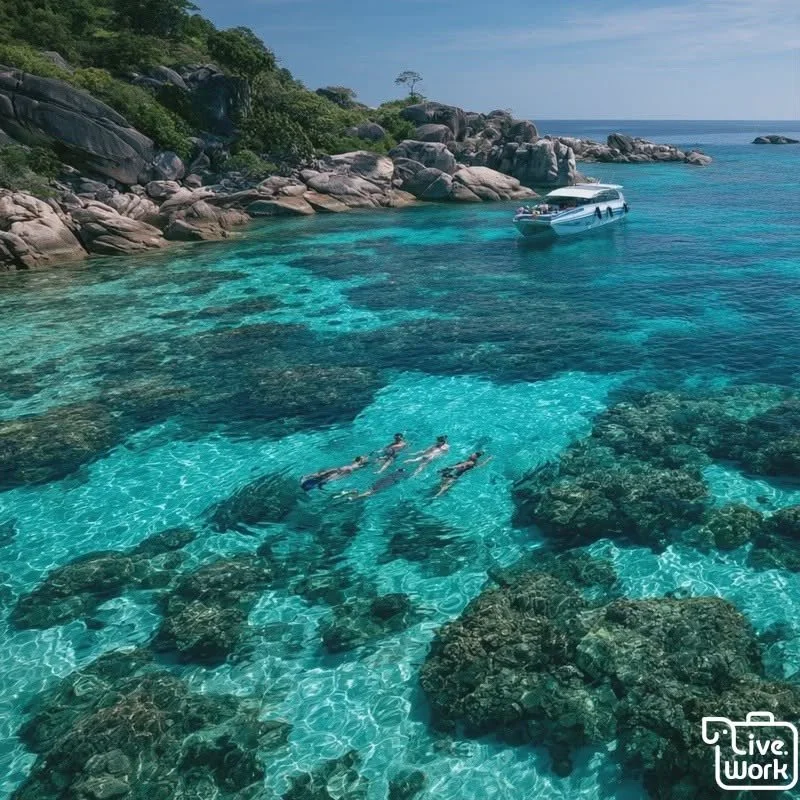
Similan Islands Snorkeling Day Trip: Realistic Expectations, Boat Comfort, Sea Conditions, and Reef-Safe Travel
A snorkeling day trip to the Similan Islands can be one of the most beautiful marine experiences in southern Thailand, but it becomes much more enjoyable when you approach it with realistic expectations. The Similans are famous for clear blue water, pale beaches, granite boulders, coral gardens, and colorful reef fish, yet nature does not perform on command. Some days feel almost aquarium-clear, with sunlight cutting through the water and fish moving in bright layers below you. Other days are windier, milkier, bumpier, or busier, and the experience becomes less about perfect visibility and more about adapting well to the sea.
That mindset matters. The Similan Islands are not a swimming pool, not a controlled aquarium, and not a guaranteed postcard at every stop. They are a protected marine environment in the Andaman Sea, shaped by wind, rain, currents, boat traffic, light, tide, and season. If you plan for variable conditions instead of expecting perfection, the trip becomes less stressful and more rewarding. You can enjoy the clear moments when they happen, stay calm when the water is choppy, and leave with a better understanding of what a real snorkeling day in open sea actually feels like.
A good Similan day trip is not only about what you see underwater. It is also about how you travel: choosing the right boat style, preparing for motion sickness, listening to guides, respecting coral, protecting your skin without harming the reef, and knowing when to rest instead of pushing yourself.
Why Expectations Matter Before You Go
The Similan Islands have a dreamlike reputation, and for good reason. On calm days, the water can be strikingly clear, with layers of blue and turquoise around the islands. The beaches can look almost unreal, and the granite boulders give the scenery a distinctive shape that separates the Similans from many other island groups in Thailand.
But the problem with famous snorkeling destinations is that people often arrive expecting every hour to look like a promotional photo. Real sea conditions are more complex. Visibility can change between morning and afternoon. One snorkeling spot may be clear while another feels slightly cloudy. Wind can ruffle the surface. Rain can affect light and clarity. Boat traffic can stir water near popular stops. Even if the weather is generally good, the sea can still feel active.
This does not mean the trip is disappointing. It means the best way to enjoy it is to stay flexible. The Similans are beautiful because they are natural, and natural places change constantly. A day with less-than-perfect visibility can still offer reef fish, coral formations, dramatic island scenery, white sand, warm water, and a memorable boat journey through one of Thailand’s most famous marine areas.
Understanding Visibility: Crystal Clear, Milky, or Somewhere in Between
Snorkeling visibility depends on many small factors working together. Calm weather, good light, low surface chop, and stable sea conditions can make the water feel exceptionally clear. When everything aligns, you may be able to see coral gardens and fish easily from the surface, and the underwater world feels open and bright.
On other days, visibility may be milky. This does not always mean the trip is bad. It may simply mean the water has been stirred by wind, rain, currents, or boat movement. You may still see fish close to you, but the longer-distance underwater view may be reduced. Colors may look softer. Coral may appear less sharp. Photos may not match what your eyes expected.
The best attitude is to treat visibility as a bonus, not a guarantee. Enjoy the water you get. Look slowly. Stay near your guide or group. Focus on details close to you rather than constantly searching for a perfect wide-angle reef scene. Sometimes the best snorkeling moments are small: a group of fish moving around a coral head, sunlight flickering on sand, or the sudden appearance of a turtle or larger fish at a respectful distance.
Sea Conditions and Motion Sickness: Prepare Before the Boat Moves
The journey to the Similan Islands usually involves open-water travel, and sea conditions can change quickly. This is especially important if you are prone to motion sickness. A speedboat ride can feel exciting on calm water, but on choppier days it may become bouncy and tiring. Once nausea starts, it can be difficult to recover fully, so prevention is much better than reaction.
Preparation should begin before departure. Hydrate the day before and avoid arriving at the pier tired, dehydrated, or with an empty stomach. A light breakfast is usually better than a heavy meal, especially before a longer boat ride. If you use motion-sickness medicine, follow the instructions carefully and take it early enough for it to work. Ginger chews, ginger tea, or other gentle remedies may also help some travelers, but they work best when used before you already feel unwell.
Seat choice matters too. The middle of the boat often feels steadier than the front, where bouncing can be stronger. Keeping your eyes on the horizon can help your body match movement with what you see. Looking down at your phone, reading, or scrolling during a rough ride can make nausea worse, so it is better to put the screen away once the boat starts moving.
Motion sickness is not a personal failure or something to be embarrassed about. It is common, and a little preparation can make the difference between a miserable transfer and a manageable one.
Speedboats vs Larger Day Boats
Boat type shapes the whole day. Speedboats are popular because they reduce travel time and allow tours to cover multiple stops efficiently. They are useful if you want to maximize island time, visit several snorkeling areas, and return within a standard day-trip schedule. The trade-off is movement. Speedboats can feel bumpy, especially in wind or chop, and passengers who are sensitive to motion may find them tiring.
Larger day boats are usually steadier. They move more slowly, but the ride can feel more comfortable for travelers who dislike speedboat bouncing. They may offer more space to move around, more shade, and a calmer travel rhythm. The trade-off is time and crowd feeling. A larger boat can take longer to reach the islands, and during peak periods it may feel busy if many guests are moving between decks, meal areas, and snorkeling platforms.
Neither option is automatically better. The right boat depends on your priorities. If time matters most and you handle motion well, a speedboat can be efficient. If comfort and steadiness matter more, a larger boat may be worth the slower pace. If you travel with children, older family members, nervous swimmers, or anyone prone to seasickness, the steadier option may make the entire day easier.
A Practical Boat Comparison
| Boat Type | Atmosphere | Best For |
|---|---|---|
| Speedboat | Fast, energetic, and efficient, with shorter travel time but more bounce when the sea is choppy. | Travelers who want to maximize time at the islands, handle boat movement well, and prefer a quicker transfer between stops. |
| Larger Day Boat | Slower, steadier, and more spacious, though it may feel crowded during peak periods and takes longer to reach the islands. | Visitors who prioritize comfort, shade, steadier movement, and a gentler travel rhythm over speed. |
| Private or Small-Group Boat | More flexible and personal, with better control over pacing, comfort, and timing, but usually at a higher cost. | Families, groups, photographers, nervous swimmers, or travelers who want a calmer and more customized Similan experience. |
What You Are Likely to See Underwater
Underwater, the Similan Islands can be colorful and lively. Reef fish are often the main highlight for snorkelers. You may see small bright fish moving in groups, larger fish passing through deeper areas, coral gardens below the surface, and patches of sand that make the water glow when the sun is strong.
The experience can vary from stop to stop. Some areas may be shallow and easy for beginners, while others may have more current, surge, or depth. A reef that looks close from the boat may feel different once you are in the water, especially if waves are pushing you around. This is why it is important to listen to guides and stay within your comfort zone.
Do not judge the whole trip by one snorkeling stop. If the first location feels cloudy or crowded, the next may be better. If one spot has stronger movement, another may feel calmer. If you are tired, skip a session and rest on the boat. The best snorkelers are not the ones who stay in the water the longest. They are the ones who know when they are comfortable, aware, and able to enjoy the environment safely.
Currents, Surge, and Knowing Your Limits
Snorkeling looks effortless from the boat, but open-water swimming can be more demanding than expected. Even gentle current or surface chop can make you work harder. Surge can move you slightly forward and backward near reefs or rocks. If you are wearing fins, this may feel manageable, but if you are nervous or not a strong swimmer, it can become tiring quickly.
The safest approach is to enter the water calmly, stay close to your group, and listen to the guide’s instructions before swimming away from the boat. If the guide says to stay within a certain zone, there is a reason. Conditions may change beyond that area, or boat traffic may make it unsafe.
A life jacket or flotation aid can help many travelers enjoy snorkeling more comfortably. There is no shame in using one. Floating calmly with good visibility is far better than struggling to prove you do not need support. The goal is not athletic performance. The goal is to see the reef safely and respectfully.
Reef-Safe Behavior: Protecting What You Came to See
The reef is the reason people travel to the Similan Islands, and protecting it begins with very small choices. Coral can be damaged by touching, standing, kicking, or accidentally scraping it with fins. Even a brief contact can harm delicate structures that grow slowly over many years.
Keep your fins up when you are near coral. Maintain enough space so your legs do not drop onto the reef. If you need to adjust your mask or rest, move away from coral and float in open water. Never stand on coral, even if it looks like rock. Never take shells, coral pieces, or marine life from the water. Never chase wildlife for a photo.
Sun protection is part of reef safety too. A rash guard or long-sleeve swim shirt reduces how much sunscreen you need, which is better for both your skin and the marine environment. When sunscreen is necessary, choose reef-conscious options and apply them before entering the water so they have time to absorb. Avoid using more product than needed, and do not apply sunscreen immediately before jumping in.
Reef-Safe Snorkeling Checklist
| Action | Why It Matters | Best Practice |
|---|---|---|
| Wear a Rash Guard | Reduces the amount of sunscreen needed and provides steady sun protection during long periods in the water. | Use a long-sleeve UPF swim shirt when possible, especially for shoulders, back, and arms. |
| Choose Reef-Conscious Sunscreen | Some sunscreen ingredients can harm marine life, and labels can vary, so thoughtful product choice matters. | Use mineral-based, non-nano reef-conscious sunscreen where needed, apply it before entering the water, and avoid excessive use. |
| Never Touch Coral | Coral is fragile and can be damaged by hands, feet, fins, or accidental contact. | Keep a safe distance from the reef, float calmly, and move away from coral before adjusting gear. |
| Keep Fins Up | Low fins can strike coral, stir sediment, or disturb marine life without you noticing. | Use gentle kicks, stay horizontal in the water, and avoid vertical kicking near shallow reef areas. |
| Give Wildlife Space | Marine animals should not be chased, crowded, touched, or blocked for photos. | Observe quietly from a respectful distance and let animals choose their own direction. |
| Follow Guide Instructions | Guides understand local currents, entry points, reef zones, and changing sea conditions. | Stay inside the recommended area, return when signaled, and ask for help early if you feel tired or unsure. |
How to Prepare the Night Before
A better Similan day often begins the night before. Pack your bag calmly rather than rushing in the morning. Charge your phone, camera, and power bank. Place swimwear, towel, dry clothes, and reef-safe sun protection where you can reach them easily. If you use motion-sickness medicine, read the timing instructions before departure day rather than guessing on the boat.
Sleep matters more than people think. A long day of transfers, sun, swimming, and boat movement is much easier when you are rested. Avoid a heavy late meal if your stomach is sensitive, and drink water before bed so you do not begin the day dehydrated.
In the morning, keep breakfast light but real. A completely empty stomach can make some people feel worse at sea, while a heavy oily meal can also be uncomfortable. Simple food, water, and early seasickness preparation create the best base for the day.
What to Pack for a Similan Snorkeling Day
The ideal Similan day bag is light, waterproof, and organized. You want enough gear to stay comfortable, but not so much that you are constantly managing bags between the pier, boat, beach, and snorkeling stops.
| Item | Why It Helps | Best Use During the Trip |
|---|---|---|
| Dry Bag | Protects your phone, wallet, passport, camera, and dry clothes from boat spray, wet decks, rain, and beach landings. | Keep valuables sealed during boat rides, beach stops, and any transfer where bags may be exposed to water. |
| Rash Guard or UPF Swim Shirt | Protects your skin from strong sun while reducing the amount of sunscreen needed in the water. | Wear it during snorkeling sessions, boat rides, and beach breaks when shade may be limited. |
| Motion-Sickness Support | Open-water boat routes can be bumpy, especially on speedboats or windy days. | Use ginger or medicine according to instructions before departure, and sit mid-boat while keeping your eyes on the horizon. |
| Light Towel or Sarong | Helps you dry off quickly and adds comfort between snorkeling sessions. | Use after swimming, during beach stops, or as a light cover while resting on the boat. |
| Reusable Water Bottle | Sun, saltwater, and boat movement can dehydrate you faster than expected. | Sip regularly throughout the day, especially before and after snorkeling stops. |
| Small Cash | Useful for tips, small snacks, pier purchases, or unexpected expenses before and after the tour. | Keep it separate from your main valuables and protected from water. |
| Dry Change of Clothes | Makes the return transfer more comfortable after saltwater, sweat, and sun exposure. | Store it in your dry bag and change after the final swim if facilities and timing allow. |
Managing Crowds and Peak-Time Friction
The Similan Islands are popular, and day trips often follow similar schedules. This means some beaches and snorkeling stops can feel busy, especially in peak season. Crowds do not ruin the trip, but they do change the atmosphere. A beach that looks empty in photos may have several boats offshore when you arrive. A snorkeling area may have multiple groups entering the water at once.
The best way to handle this is mentally and practically. Mentally, accept that famous places attract people. Practically, stay close to your guide, avoid swimming into congested areas, and use quieter moments well. Sometimes the calmest part of the day is not the most famous beach stop, but a quieter section of water, a short rest on the boat, or a moment near the edge of a group where you can observe without feeling crowded.
If crowds bother you strongly, consider shoulder-season dates within the open period, smaller group tours, or operators known for better pacing. Even then, no tour can guarantee solitude at a famous marine park. The goal is to choose conditions that make the day feel manageable.
When to Skip a Snorkeling Session
It is completely fine to skip a snorkeling session. Many travelers feel pressure to enter the water at every stop because the tour is built around snorkeling, but your comfort matters. If you feel seasick, tired, cold, anxious, sunburned, or unsure about the current, resting on the boat is a smart choice.
Skipping one session can make the next one better. You may recover energy, rehydrate, adjust your gear, or simply enjoy the scenery from above the water. A good day is not measured by how many times you jumped in. It is measured by whether you stayed safe, enjoyed the environment, and respected your own limits.
This is especially important for beginners. Snorkeling should feel calm and curious, not forced. If you are new to it, start close to the boat, use flotation if offered, and tell the guide if you need help. Good guides would rather support you early than respond after you are already stressed.
Photography Without Disturbing the Reef
Underwater photography can be fun, but it often causes problems when people become too focused on the shot. Snorkelers may drop their fins, drift into coral, chase animals, or lose awareness of current and group position while trying to film.
The safest approach is to take fewer photos and watch more. Hold your body horizontal, keep your legs floating high, and never stand or kneel on coral for stability. If an animal appears, let it move naturally. Do not block its path or swim after it aggressively. The best wildlife photos come from calm observation, not pursuit.
On the surface, beach and boat photos are easier and often more successful. The Similan scenery is beautiful above water too: granite boulders, turquoise bays, white sand, and longtail or speedboats against the islands. You do not need perfect underwater footage to have a visually memorable trip.
A Realistic Day Flow
A Similan snorkeling day is usually long, active, and shaped by timing. The details vary by operator, but the rhythm often includes an early pickup, pier check-in, boat transfer, island stops, snorkeling sessions, lunch, beach time, and the return ride.
| Part of the Day | Atmosphere | Best Focus |
|---|---|---|
| Early Pickup and Pier Check-In | Practical and sleepy, with guests gathering, equipment being organized, and tour staff confirming the day’s plan. | Arrive prepared, keep essentials accessible, take motion-sickness support early if needed, and avoid rushing breakfast. |
| Outbound Boat Ride | Exciting but variable, with sea conditions ranging from smooth and scenic to bumpy and tiring. | Sit near the middle if possible, keep your eyes on the horizon, hydrate lightly, and avoid scrolling on your phone. |
| First Snorkeling Stop | Bright, active, and full of first impressions, though visibility and current may differ from expectations. | Enter calmly, stay near the guide, test your comfort level, and focus on close reef details rather than expecting perfect clarity everywhere. |
| Beach or Lunch Stop | Social and scenic, with time to rest, eat, dry off, and enjoy the island landscape above water. | Reapply sun protection responsibly, drink water, keep trash contained, and avoid walking into restricted natural areas. |
| Afternoon Snorkeling | More relaxed if you have found your rhythm, but also more tiring after sun, saltwater, and boat movement. | Only enter if you feel comfortable, listen carefully to guide instructions, and skip the session if conditions or energy levels do not feel right. |
| Return Boat Ride | Tired, salty, and reflective, with guests drying off and the boat heading back across open water. | Change into dry clothes if possible, protect electronics from spray, hydrate, and keep motion-sickness habits in mind for the return journey. |
Choosing the Right Tour for Your Style
Before booking, think carefully about what kind of day you want. Some tours prioritize speed and maximum stops. Others focus on comfort, larger boats, calmer pacing, or smaller groups. Some are more suitable for confident swimmers, while others are better for families or beginners.
Ask how long the boat ride is expected to be, what type of boat is used, how many snorkeling stops are included, whether life jackets are available, how large the group is, and what happens if sea conditions change. Also ask whether the tour includes national park fees, meals, masks, fins, towels, and hotel transfers.
The cheapest option is not always the best value if it leaves you exhausted or uncomfortable. For the Similans, comfort matters because the day is long and the sea crossing is a major part of the experience.
Conclusion
A Similan Islands snorkeling day trip can be unforgettable, but it is best enjoyed with realistic expectations. The water may be crystal-clear, or it may be milky and choppy. A speedboat may get you there quickly, or it may feel bumpy if the sea is active. A larger day boat may be steadier, but it may take longer and feel busier at peak times. Underwater, you can expect colorful reef fish, coral gardens, and beautiful marine scenery, but currents, surge, weather, and crowds all shape the day. Prepare early for motion sickness, choose the boat style that matches your comfort level, listen to guides, stay within your limits, and protect the reef by wearing sun-protective clothing, using reef-conscious sunscreen only when needed, never touching coral, keeping fins up, and giving wildlife space. With the right mindset, the Similans become more than a perfect-photo destination. They become a real, living marine experience that is far better when treated with patience and respect.