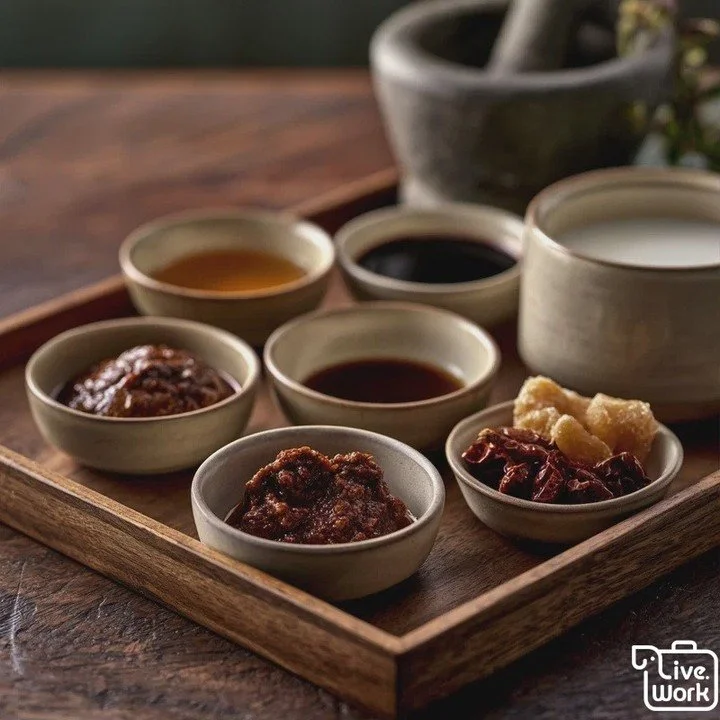
How to Stock a Thai Pantry: Essential Sauces, Curry Pastes, Coconut Milk, and Flavor Basics
A well-stocked Thai pantry makes it surprisingly easy to cook flavorful meals without buying a long list of ingredients every time. With fish sauce, soy sauce, oyster sauce, palm sugar, coconut milk, curry paste, tamarind, dried chilies, and a few aromatic extras, you can build the salty, sweet, sour, spicy, and savory balance that defines many Thai dishes.
These ingredients will not recreate every regional recipe on their own. Fresh chilies, garlic, shallots, basil, lime, lemongrass, galangal, makrut lime leaves, and other fresh ingredients remain important in traditional Thai cooking. But pantry staples provide the foundation. They let you turn rice, noodles, vegetables, eggs, tofu, chicken, pork, or seafood into a quick stir-fry, curry, dipping sauce, or noodle dish with very little preparation.
For beginners, the goal should not be to buy every Thai condiment available. Start with a compact set of versatile ingredients, learn what each one contributes, and gradually add more specialized products as you discover the dishes you enjoy cooking most.
The Core Thai Pantry at a Glance
A practical Thai pantry can begin with fewer than a dozen ingredients. Each staple fills a different role, and understanding those roles is more useful than memorizing exact recipes.
| Ingredient | Main Flavor Role | Useful For |
|---|---|---|
| Fish sauce | Salty, savory, deeply umami. | Stir-fries, curries, soups, dipping sauces, salads, and marinades. |
| Light soy sauce | Milder salty savoriness with a clean soy flavor. | Stir-fries, noodles, marinades, tofu, vegetables, and fried rice. |
| Oyster sauce | Thick, slightly sweet, savory, and glossy. | Vegetable stir-fries, meat dishes, noodles, and quick wok sauces. |
| Palm sugar | Rounded sweetness with caramel-like depth. | Curries, dipping sauces, salads, pad Thai, and balancing salty or sour dishes. |
| Coconut milk | Richness, body, and mellow sweetness. | Coconut curries, soups, desserts, and braised dishes. |
| Red or green curry paste | Concentrated chili, herbs, spices, and aromatics. | Quick curries, stir-fries, marinades, soups, and fried rice. |
| Tamarind paste | Fruity, rounded sourness. | Pad Thai sauces, dips, curries, glazed dishes, and sweet-sour sauces. |
| Rice vinegar | Clean, light acidity. | Quick pickles, dipping sauces, noodle seasonings, and salads. |
| Dried chilies | Heat, smokiness, and concentrated chili flavor. | Curry pastes, chili oils, stir-fries, soups, and garnishes. |
| Fried shallots | Crisp texture and sweet roasted onion flavor. | Noodles, rice dishes, soups, salads, curries, and garnishes. |
With these ingredients alone, the pantry already has tools for saltiness, sweetness, acidity, heat, richness, and umami.
Fish Sauce: The Salty Backbone of Thai Cooking
Fish sauce, called น้ำปลา or nam pla in Thai, is one of the most important seasonings in Thai cuisine. It is made from fish fermented with salt, producing a liquid that is intensely savory and salty.
Used directly from the bottle, fish sauce can smell powerful. Once mixed into a stir-fry, curry, soup, or dipping sauce, however, the aroma becomes integrated into the dish and provides depth that plain salt cannot reproduce.
Fish sauce is particularly useful because a small amount changes the entire character of a dish. A spoonful can sharpen a coconut curry, season minced meat for basil stir-fry, or form the salty base of a lime-and-chili dipping sauce.
Beginners should add it gradually. Different brands vary in saltiness and strength, and it is much easier to add more than to correct an over-salted dish.
Fish sauce is not suitable for vegetarians or people with fish allergies. Vegetarian mushroom-based sauces, soy sauce, and specialized vegan fish-sauce alternatives can provide savory depth, although the flavor will be different.
Light Soy Sauce: A Gentler Everyday Seasoning
Thai kitchens commonly use several soy-based sauces, but light soy sauce is the most versatile starting point.
Thai light soy sauce is typically thinner and less sweet than many dark soy sauces. It provides saltiness and soy flavor without strongly changing the color of the food.
It works especially well in fried rice, noodle dishes, vegetable stir-fries, tofu, marinades, and recipes where fish sauce would create too strong a seafood flavor.
Fish sauce and soy sauce are not necessarily substitutes for one another. Many Thai dishes use both because they provide different kinds of savoriness. Fish sauce tastes more fermented and marine, while soy sauce gives a cleaner, rounder saltiness.
Dark soy sauce is another useful addition once the basic pantry is established. It is often used in smaller amounts to deepen color and add a slightly sweeter flavor to noodles and braised dishes.
Oyster Sauce: The Shortcut to Glossy Stir-Fries
Oyster sauce is thick, dark, savory, and slightly sweet. It is one of the easiest ways to create the glossy sauce associated with many Thai stir-fried dishes.
A simple combination of oyster sauce, light soy sauce, a little sugar, water, and garlic can season chicken, pork, mushrooms, broccoli, Chinese kale, or mixed vegetables.
The sauce also helps a stir-fry cling to the ingredients rather than collecting as a thin liquid at the bottom of the wok.
Traditional oyster sauce contains oyster extracts and is therefore unsuitable for people with shellfish allergies and most vegetarians. Vegetarian versions made from mushrooms are widely available and work particularly well in tofu and vegetable dishes.
Oyster sauce is concentrated, so it should be treated as a seasoning rather than a large-volume sauce. Too much can make a dish excessively salty and heavy.
Palm Sugar: Sweetness That Balances Rather Than Dominates
Palm sugar is used throughout Thai cooking to balance chili, salt, acidity, and bitterness. Compared with white sugar, it often has a softer sweetness with caramel, butterscotch, or lightly toasted notes.
Palm sugar may be sold as hard blocks, discs, tubs, or softer paste-like versions. Hard blocks can be shaved or chopped before use, while softer palm sugar can be spooned directly into sauces.
It is particularly valuable in dishes where sweetness should feel rounded rather than sharp. Tamarind sauces, coconut curries, som tam dressings, dipping sauces, and marinades all benefit from this quality.
White or brown sugar can substitute when palm sugar is unavailable, but the flavor will be slightly different. For everyday home cooking, this is rarely disastrous. Thai cooking depends more on achieving overall balance than on treating every ingredient as untouchable.
The most important habit is tasting before adding more. Thai dishes are not automatically meant to taste sweet simply because palm sugar is present.
Coconut Milk: Richness for Curries and Soups
Coconut milk is a pantry essential for anyone who regularly cooks Thai curries. It adds richness, body, and natural sweetness while carrying the flavors of chili, herbs, and spices.
Red curry, green curry, panang curry, massaman curry, and many other dishes use coconut milk, although not all Thai curries contain it. Sour curries and several Southern Thai preparations are deliberately coconut-free.
Canned or boxed coconut milk is the most practical choice for a home pantry. Full-fat versions usually perform better in curries because they provide enough coconut fat to create a rich sauce.
Shake the container only when a recipe requires evenly mixed coconut milk. Some traditional cooking methods benefit from using the thicker coconut cream from the top first, particularly when frying curry paste.
Once opened, coconut milk should be refrigerated and used promptly according to the manufacturer’s guidance. Leftovers can also be portioned and frozen for future curries.
Red Curry Paste: The Most Versatile Starter Paste
If you only buy one Thai curry paste, red curry paste is arguably the most versatile.
Thai red curry paste, or prik gaeng daeng, typically combines dried red chilies with aromatics such as lemongrass, galangal, garlic, shallots, makrut lime zest, coriander root or seeds, spices, and often shrimp paste.
A spoonful fried in coconut milk immediately creates the beginning of a curry, but the paste can do much more. It can season fried rice, stir-fried meat, noodles, roasted vegetables, marinades, soups, or even scrambled eggs.
Commercial curry pastes vary substantially in saltiness, spice level, and ingredients. Some already contain shrimp paste and considerable salt, so taste the finished dish before adding large amounts of fish sauce.
Vegetarians should check the label because shrimp paste is common in traditional curry paste. Vegan versions are available and can be very useful for plant-based Thai cooking.
Green Curry Paste: Fresher and More Aromatic
Green curry paste, known as prik gaeng khiao wan, gets much of its color and flavor from fresh green chilies and herbs.
It tends to taste fresher and more herbal than red curry paste, although green curry should not automatically be assumed to be milder. Depending on the chilies and recipe, it can be extremely spicy.
Green curry paste combines particularly well with coconut milk, Thai basil, eggplant, chicken, tofu, fish balls, or vegetables.
Keeping both red and green curry paste in the pantry makes it possible to create two noticeably different meals from similar base ingredients.
Once opened, curry paste should generally be refrigerated. Using a clean spoon helps reduce contamination and extends its useful life.
Tamarind Paste: The Sourness Behind Many Thai Sauces
Tamarind provides a softer and more complex acidity than lime or vinegar. Its flavor is fruity, earthy, and sour, making it especially useful in sauces that need tang without tasting sharply acidic.
Pad Thai is one of the most familiar examples. A traditional-style pad Thai sauce often combines tamarind with fish sauce and palm sugar, creating a balance of sour, salty, and sweet.
Tamarind also appears in curries, dipping sauces, soups, glazed dishes, and some seafood preparations.
Products labeled tamarind paste or concentrate can differ dramatically in strength. One brand may be ready to spoon directly into a sauce, while another is highly concentrated and needs dilution.
Taste before following a measurement blindly, especially when changing brands.
Traditional tamarind pulp is another option. It can be soaked in warm water, squeezed, and strained to produce tamarind liquid, but ready-made paste is considerably more convenient for quick home cooking.
Rice Vinegar: Clean Acidity for Pickles and Dipping Sauces
Rice vinegar provides a lighter, cleaner acidity than tamarind.
It is particularly useful for quick-pickled cucumber, shallots, chilies, or vegetables. A basic mixture of rice vinegar, sugar, salt, and sliced vegetables can create a refreshing accompaniment for grilled or fried food.
Rice vinegar also works in dipping sauces, noodle seasonings, and dishes that need brightness without the citrus aroma of lime.
It should not be confused with sweetened sushi vinegar, which already contains added sugar and salt.
Thai recipes may use several different souring ingredients depending on the dish. Lime brings fresh citrus aroma, tamarind provides rounded fruitiness, and vinegar delivers direct acidity. Keeping tamarind and rice vinegar in the pantry while buying fresh limes when needed covers most everyday situations.
Dried Chilies: Heat with More Than One Personality
Dried chilies are useful because they last far longer than fresh Thai chilies and can be transformed according to the dish.
Whole dried chilies can be toasted briefly to deepen their aroma, soaked and blended into curry pastes, crumbled into soups, or fried until crisp.
Ground dried chili is a familiar condiment at Thai noodle tables, allowing diners to adjust the heat themselves.
Chili flakes also work well in quick dipping sauces and stir-fries. The flavor is usually deeper and slightly smokier than fresh chili, which produces a sharper, greener heat.
Different dried chilies vary enormously in strength. Add them cautiously until you understand the variety you purchased.
Fried Shallots: The Fastest Flavor and Texture Upgrade
Fried shallots are one of the easiest pantry ingredients to underestimate. A small spoonful can add sweetness, crisp texture, and roasted onion aroma to an otherwise simple dish.
They work particularly well over noodle soups, rice dishes, congee, salads, curries, eggs, and grilled meat.
Ready-made fried shallots save substantial preparation time because frying shallots correctly requires careful heat control. They can move from pale to burnt very quickly.
Store them tightly sealed to preserve crispness. Humidity makes fried shallots soften rapidly, particularly in tropical climates.
If they lose some crunch, a short period in a dry pan or oven can sometimes refresh them.
Add Rice and Noodles to Make the Pantry Truly Useful
Sauces and seasonings become much more useful when paired with basic carbohydrates.
Jasmine rice is the everyday foundation for countless Thai meals. It works with curries, stir-fries, fried eggs, grilled meats, soups, and chili dips.
Rice noodles provide another versatile option. Thin rice vermicelli, medium rice noodles, or wider dried noodles can be used for soups, stir-fries, salads, and improvised pad Thai-style dishes.
Instant noodles can also become a useful pantry ingredient rather than only an emergency meal. Adding egg, vegetables, curry paste, lime, herbs, or leftover meat can turn them into a more complete dish.
Sticky rice is worth adding if you frequently cook Isan or Northern Thai food, although it requires a different cooking method from jasmine rice.
Three Quick Meals from a Basic Thai Pantry
A fast basil-style stir-fry begins with garlic and chili cooked in oil, followed by minced meat, tofu, or mushrooms. Fish sauce, oyster sauce, and a small amount of sugar create the seasoning. Fresh holy basil or Thai basil added at the end provides the characteristic aroma. Serve with jasmine rice and a fried egg.
A quick coconut curry starts by frying red or green curry paste briefly, then adding coconut milk. Add vegetables and a protein, simmer until cooked, and balance the sauce with fish sauce and palm sugar. Fresh basil or lime leaves improve the result when available, but the pantry ingredients already create a workable weekday meal.
For a simple noodle sauce, mix tamarind paste, fish sauce or soy sauce, and palm sugar. Adjust the mixture until sour, salty, and sweet are balanced, then toss it through cooked rice noodles with egg, tofu, vegetables, or meat. Add dried chili and fried shallots at the table.
These are simplified home-cooking templates rather than strict traditional recipes, but they demonstrate how a small pantry can create many different meals.
How Thai Flavor Balance Actually Works
Thai cooking is often described through sweet, sour, salty, spicy, and sometimes bitter flavors. The important point is not that every dish should contain equal amounts of each.
A coconut curry may emphasize richness, salt, chili, and a small amount of sweetness. A tamarind sauce may emphasize sourness and sweetness. A stir-fry may need mainly savory and salty flavors with only a trace of sugar.
Taste the dish as a whole before correcting it.
If something tastes flat, it may need fish sauce rather than more chili. If it tastes too salty, a little sugar, acidity, coconut milk, or additional ingredients may restore balance. If it tastes overly sweet, acidity can make the flavor feel sharper.
Learning these relationships is more useful than measuring every sauce mechanically.
Vegetarian, Vegan, and Allergy Considerations
Many Thai pantry staples contain ingredients that are easy to overlook.
Fish sauce contains fish, oyster sauce traditionally contains shellfish, and many curry pastes contain shrimp paste. Soy sauce contains soy and often wheat, while some commercial sauces may contain additional allergens.
Vegetarian fish sauce alternatives, mushroom-based oyster sauces, and curry pastes without shrimp paste can create a highly functional plant-based Thai pantry.
People with gluten intolerance should check soy sauce and oyster sauce labels carefully and select appropriate gluten-free alternatives when required.
Peanut allergy is another important consideration in Thai cooking, although peanuts are not present in every Thai dish. Shared manufacturing facilities and restaurant kitchens can create cross-contact.
Reading labels is especially important with imported sauces because ingredients differ between brands.
How to Store Thai Pantry Ingredients
Unopened fish sauce, soy sauce, vinegar, curry paste, coconut milk, and tamarind products are generally designed for pantry storage, but manufacturer instructions should always take priority.
Once opened, refrigeration is often recommended for curry paste, coconut milk, tamarind paste, and some sauces. Fish sauce and soy sauce are relatively stable because of their salt content, although cool storage helps preserve quality.
Palm sugar should be kept tightly sealed to prevent moisture and insects. If it hardens, it can still be shaved, grated, or gently softened.
Dried chilies should be stored away from humidity and direct sunlight. Fried shallots need an especially airtight container to remain crisp.
Writing the opening date on jars can help prevent half-used ingredients from disappearing into the back of the refrigerator for months.
Common Thai Pantry Mistakes
The most common beginner mistake is buying too many sauces at once. Thai supermarkets may offer several fish sauces, multiple soy sauces, seasoning sauces, mushroom sauces, chili pastes, and bottled dipping sauces. Start simple and expand only when a recipe repeatedly calls for something specific.
Another mistake is treating all soy sauces as interchangeable. Light soy, dark soy, sweet soy, and fermented soybean sauces have different functions.
Using too much fish sauce is equally common. Its strength means small adjustments matter.
Do not assume curry paste automatically creates a complete curry. Coconut milk, seasoning, vegetables, protein, and sometimes additional fresh aromatics are needed to create balance.
Finally, avoid expecting every Thai dish to taste simultaneously sweet, sour, spicy, and salty. Good Thai cooking is balanced, but balance does not mean identical flavor proportions in every meal.
Conclusion
A useful Thai pantry does not need to contain dozens of specialized ingredients. Fish sauce, light soy sauce, oyster sauce, palm sugar, coconut milk, red or green curry paste, tamarind, rice vinegar, dried chilies, and fried shallots provide enough flexibility to build a wide range of everyday dishes.
Fish sauce and soy sauce create savory depth, palm sugar balances strong flavors, tamarind and vinegar provide two different kinds of acidity, and curry paste delivers concentrated chilies and aromatics. Coconut milk turns these flavors into rich curries, while dried chilies and fried shallots make simple meals more distinctive.
Add jasmine rice, rice noodles, garlic, fresh chilies, herbs, lime, and vegetables when needed, and the pantry becomes the foundation for quick Thai cooking throughout the week.
The real skill is not owning every Thai condiment. It is learning how a small number of ingredients interact. Once you understand how to adjust saltiness, sweetness, sourness, richness, and heat, Thai home cooking becomes far more intuitive.