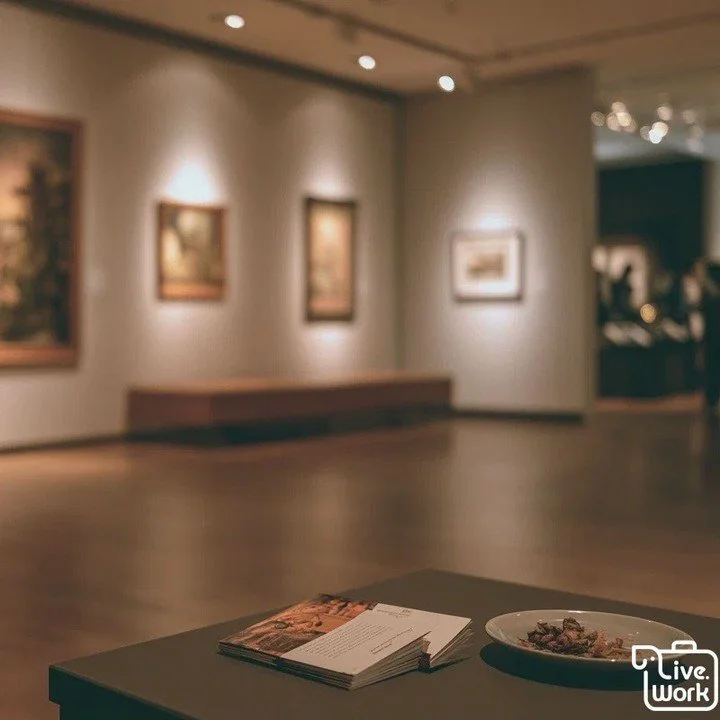
Five Bangkok Museums for a Meaningful Cultural Visit in Around One Hour
Bangkok’s most famous temples, palaces, and historical sites can require several hours, substantial walking, and careful planning around heat and crowds. When time is limited, the city’s smaller museums and focused cultural spaces offer a more manageable alternative. In around one hour, visitors can explore a traditional Thai teak house, encounter modern Thai art, step into a historic Portuguese-Thai community, examine a preserved middle-class home, or follow an interactive introduction to Thai identity.
The Jim Thompson House Museum is the strongest choice for Thai architecture, silk history, and a peaceful garden setting in central Bangkok. MOCA Bangkok provides the broadest introduction to modern and contemporary Thai art, although its large collection requires a selective route if the visit is limited to an hour. Baan Kudichin Museum and the Bangkokian Museum offer smaller, more intimate views of local community life, while Museum Siam presents Thai history and culture through accessible, interactive displays.
The one-hour estimate should refer to time inside the museum rather than the entire outing. Transport, ticket queues, guided-tour timing, photography, and a nearby meal can extend each visit into a relaxed two- or three-hour cultural break.
Comparing Bangkok’s Best Museums for a Short Visit
Each museum suits a different interest. The most efficient choice depends on whether the priority is art, architecture, social history, community heritage, or an accessible introduction to Thai culture.
| Museum | Main Focus | Best One-Hour Strategy | Nearby Food Experience |
|---|---|---|---|
| Jim Thompson House Museum | Traditional Thai teak architecture, Asian art, silk history, and the life of Jim Thompson. | Take the guided house visit, then spend the remaining time in the garden and surrounding cultural spaces. | Continue into Soi Kasemsan for noodles, rice dishes, or a simple local lunch. |
| MOCA Bangkok | Modern and contemporary Thai painting, sculpture, mixed media, and selected international works. | Choose two or three floors rather than attempting the entire collection. | Stop at a café or casual restaurant around Vibhavadi-Rangsit or the Kasetsart area. |
| Baan Kudichin Museum | The history, faith, food, language, and traditions of Bangkok’s Siamese-Portuguese community. | Explore the compact museum, then walk through the lanes around Santa Cruz Church. | Try khanom farang kudi chin or another Portuguese-influenced neighborhood sweet. |
| Bangkokian Museum | Middle-class domestic life in Bangkok before and after the Second World War. | Focus on the preserved houses, original furnishings, household objects, and Bang Rak displays. | Continue to a local restaurant, noodle shop, or old-style café in Bang Rak. |
| Museum Siam | Thai identity, history, culture, and the changing meanings associated with “Thainess.” | Follow the main permanent exhibition and select the interactive rooms that interest you most. | Walk toward Tha Tien for Thai food, riverside dining, or market snacks. |
Jim Thompson House Museum: Thai Architecture, Silk, and Garden Calm
The Jim Thompson House Museum is one of the easiest cultural attractions to add to a central Bangkok itinerary. Located near National Stadium BTS station, the museum occupies a green compound beside a canal, only a short distance from Siam’s shopping centers, hotels, and major roads.
The main house combines several traditional Thai wooden structures that were moved and reassembled to create Jim Thompson’s Bangkok residence. Thompson was an American businessman closely associated with the international promotion of Thai silk, and the house contains part of his collection of art and objects from Thailand and neighboring Asian cultures.
The architecture is as important as the collection. Raised floors, steep roofs, dark teak walls, open spaces, antique furnishings, and the surrounding tropical garden create a sharp contrast with modern Bangkok outside the compound.
Visitors enter the main house as part of a guided visit rather than exploring it entirely independently. The museum currently provides guided visits in several languages, and visitors remove their shoes before entering the house. The route includes stairs and does not provide lift access inside the historic structure.
An hour is generally sufficient for the guided house experience and a short walk through the garden, although waiting for the next tour may extend the total visit. Travelers who also want to explore the Jim Thompson Art Center, exhibitions, shop, or dining areas should allow additional time.
What to Eat Near the Jim Thompson House
Soi Kasemsan and the surrounding National Stadium area contain small restaurants, noodle shops, cafés, and everyday Thai food. Instead of returning immediately to the large shopping centers around Siam, walking through the nearby lanes creates a more local conclusion to the visit.
A bowl of noodle soup is an easy pairing because it can be eaten quickly without turning the museum visit into a full-day excursion. Rice with curry, chicken rice, made-to-order stir-fries, and simple café meals may also be available depending on the time of day.
Opening patterns change, and some small businesses operate mainly around breakfast or lunch. Visitors seeking a particular restaurant should check its current schedule rather than assuming every place in the lane remains open throughout the day.
MOCA Bangkok: Contemporary Thai Art in a Large Modern Museum
The Museum of Contemporary Art, commonly known as MOCA Bangkok, is the most substantial museum in this comparison. It is not a small museum, and a complete visit can easily take several hours. However, visitors with limited time can still gain a strong introduction to modern Thai art by choosing selected floors or artists in advance.
MOCA Bangkok occupies a large purpose-built space in northern Bangkok and holds an extensive collection of Thai painting, sculpture, mixed media, photography, and selected international works. Its permanent collection extends across several floors and includes works connected with Thai society, religion, mythology, history, rural life, urban change, and individual artistic expression.
The museum is particularly valuable for visitors whose understanding of Thai visual culture is otherwise limited to temple murals, Buddha images, royal art, and traditional decorative motifs. MOCA shows how Thai artists have interpreted modernity, spirituality, politics, identity, fantasy, landscape, and social change through contemporary forms.
For a one-hour visit, do not begin by trying to examine every artwork. Ask about the current highlights, review the floor information, and select two or three sections. Visitors interested mainly in Thai art should prioritize the floors with the strongest national collection rather than spending equal time throughout the entire building.
Planning a Short MOCA Bangkok Visit
MOCA is less centrally located than the other museums in this guide. Reaching it may involve a combination of rail transport and a taxi, motorcycle taxi, or short road transfer, depending on the starting point. The museum’s official access information recommends connections through the Kasetsart University area for visitors using the BTS.
This location makes MOCA a better choice for a dedicated art visit than for a spontaneous stop between central Bangkok attractions. The one-hour museum strategy works best when transport has already been planned and the visitor arrives knowing which galleries are the priority.
A café break can be added around the museum, Vibhavadi-Rangsit Road, or the wider Kasetsart and Chatuchak area. The surroundings are less suitable for an aimless pedestrian food search than Siam, Bang Rak, or Tha Tien, so choosing the food stop before traveling can save time.
Baan Kudichin Museum: Portuguese-Thai Heritage beside the River
Baan Kudichin Museum is a compact community museum in Kudichin, also written Kudeejeen or Kudi Chin, on the Thonburi side of the Chao Phraya River. The museum tells the story of a Siamese-Portuguese community whose history in the area extends for more than 250 years.
The exhibitions explore community identity through religion, language, family history, recipes, photographs, household objects, and the long relationship between Portugal and Siam. The museum is small enough to understand without rushing, making it one of the most convincing choices when the visitor truly has only an hour.
Baan Kudichin Museum is not best experienced as an isolated building. Its meaning becomes clearer when combined with a short walk through the surrounding lanes. Santa Cruz Church, old homes, local bakeries, river views, and nearby religious sites reveal how different communities developed beside one another in historic Thonburi.
The neighborhood remains residential. Visitors should keep noise moderate, avoid blocking narrow pathways, and ask before photographing residents or the interiors of private homes.
Trying Khanom Farang Kudi Chin
The characteristic food pairing is khanom farang kudi chin, ขนมฝรั่งกุฎีจีน, a Portuguese-influenced local cake associated with the community. The name can be understood as “Kudi Chin foreigner cake,” reflecting the European influence behind the recipe.
The small cake is traditionally baked without the heavy cream or elaborate decoration associated with modern desserts. Its texture is relatively firm and dry, and the top may be decorated with dried fruit or sugar. It is best approached as an edible part of the neighborhood’s history rather than as a contemporary café cake.
Availability can vary by bakery, production day, and time. Visitors who arrive late should not assume every traditional snack will still be available. Other sweets and Portuguese-Thai foods may also be found in the neighborhood.
Bangkokian Museum: Everyday Life in an Earlier Bangkok
The Bangkokian Museum, also called the Bangkok Folk Museum and known in Thai as พิพิธภัณฑ์ชาวบางกอก, preserves domestic life in Bang Rak during the decades before and after the Second World War.
The museum is formed around historic houses containing original furniture, tableware, books, medical objects, household tools, photographs, bedrooms, dining spaces, and decorative items. Instead of presenting history mainly through rulers, battles, and monumental architecture, it shows how a relatively comfortable Bangkok household lived, worked, entertained guests, and incorporated Thai, Chinese, and Western influences.
This domestic scale is the museum’s greatest strength. A piano, dressing table, porcelain basin, glass cabinet, old medical text, dining set, or kitchen utensil can communicate social change more directly than a long chronological display.
The museum also provides context about Bang Rak, a district historically associated with trade, foreign communities, diplomatic connections, riverside commerce, and the modernization of Bangkok.
A focused visit of around one hour is realistic. The buildings and garden reward slow observation, but the collection is compact enough to explore without the fatigue that can accompany a major national museum.
Pairing the Bangkokian Museum with Bang Rak Food
Bang Rak is one of Bangkok’s strongest areas for combining history with food. The wider district includes old restaurants, rice shops, noodle vendors, bakeries, cafés, Muslim food, Chinese-Thai cooking, and businesses serving office workers and local residents.
A simple lunch fits the spirit of the museum better than an elaborate destination restaurant. Rice with roast meat, noodle soup, curry over rice, chicken rice, or a traditional snack provides a practical continuation of the everyday-life theme.
The museum’s operating days and hours are more limited than those of some larger attractions, and current municipal information should be checked before making a special journey. The Bangkok Metropolitan Administration currently identifies the museum as a public learning site in Bang Rak.
Museum Siam: An Interactive Introduction to Thai Identity
Museum Siam is located in a restored historic building on Sanam Chai Road, close to the Grand Palace, Wat Pho, Pak Khlong Talat, and Tha Tien. Sanam Chai MRT station provides particularly convenient access, making Museum Siam the easiest option for visitors already exploring Bangkok’s historic center.
The museum’s permanent exhibition, commonly known as Decoding Thainess, examines how ideas of Thai identity have formed and changed. Rather than presenting culture as a fixed list of costumes, foods, and traditions, the exhibition explores how history, politics, religion, language, popular culture, foreign influence, and everyday objects contribute to the idea of being Thai.
Displays use objects, reconstructed environments, multimedia, games, and interactive interpretation. This makes the museum accessible to visitors who may find a conventional history museum difficult to follow.
Museum Siam is larger than a one-hour attraction, but its structure makes selective exploration possible. Begin with the main permanent exhibition, move through the rooms without trying every interactive element, and spend additional time only where the subject is especially relevant to your interests.
Eating around Tha Tien after Museum Siam
Tha Tien is one of Bangkok’s most useful areas for combining history, riverside scenery, temples, and food. After the museum, visitors can continue toward the river for Thai dishes, noodles, coffee, desserts, or a casual meal in one of the surrounding lanes.
The area can become busy because it also serves visitors to Wat Pho, Wat Arun, and the Grand Palace district. Restaurants directly beside major attractions may feel more visitor-oriented, while walking a little farther into the surrounding streets can reveal simpler choices.
Museum Siam also works well before an evening walk toward Pak Khlong Talat, Bangkok’s major flower-market area. This turns a one-hour museum visit into a broader exploration of the old city without requiring another major ticketed attraction.
Which Bangkok Museum Is Best for You?
Choose the Jim Thompson House Museum when traditional architecture, silk, antiques, and a calm garden matter more than a large exhibition. It is the easiest choice to combine with shopping, central hotels, or an afternoon around Siam.
Choose MOCA Bangkok when the priority is Thai art and you are willing to dedicate additional travel time. One hour provides only a sample, but even a selective visit can reveal a side of Thai culture that many short itineraries miss.
Choose Baan Kudichin Museum when community history and neighborhood exploration are more appealing than famous landmarks. It offers the most intimate relationship between museum, food, faith, and living heritage.
Choose the Bangkokian Museum for domestic history and a quiet look at how Bangkok residents lived during the early and mid-20th century. It is especially rewarding for visitors interested in architecture, furniture, old photographs, and ordinary objects.
Choose Museum Siam for the clearest general introduction to Thai identity and history. Its MRT access and location near major old-city attractions make it the easiest museum to include in a packed sightseeing day.
Practical Advice for a One-Hour Museum Visit
Check the museum’s current opening day before leaving. Smaller institutions may close on particular weekdays, while temporary exhibitions, maintenance, private events, and public holidays can affect access.
Arrive with a clear priority. At MOCA Bangkok and Museum Siam, trying to complete every gallery will make the visit feel rushed. At the Jim Thompson House, allow for the timing of the guided visit. At Baan Kudichin and the Bangkokian Museum, leave enough time to appreciate the surrounding neighborhood or garden.
Travel light. Historic houses may require visitors to remove shoes, use stairs, leave larger bags in storage, or move through narrow rooms. Comfortable footwear that is easy to remove is practical.
Photography rules differ. Some museums allow general photography but restrict flash, video, posed photography, or photography in particular rooms. Follow current signs and staff instructions rather than assuming one rule applies everywhere.
Conclusion
Bangkok’s smaller museums prove that cultural depth does not always require a full day. The Jim Thompson House Museum connects silk, art, and traditional teak architecture. MOCA Bangkok introduces the ambition and diversity of modern Thai art. Baan Kudichin Museum preserves the memory of a distinctive Portuguese-Thai community, while the Bangkokian Museum reveals the details of earlier urban domestic life. Museum Siam makes the broad question of Thai identity interactive and approachable.
For the most convenient central visit, choose the Jim Thompson House. For contemporary art, choose MOCA. For neighborhood heritage, choose Baan Kudichin. For quiet social history, choose the Bangkokian Museum. For an efficient introduction to Thailand before exploring the old city, choose Museum Siam.
The museum itself may take only an hour, but the strongest experience continues outside its walls. A bowl of noodles, a neighborhood cake, a Bang Rak lunch, or a walk beside the Chao Phraya turns a compact museum stop into a richer encounter with Bangkok.