Chiang Mai in the Green Season: Rainy-Season Travel, Misty Mountains, and Smarter Planning
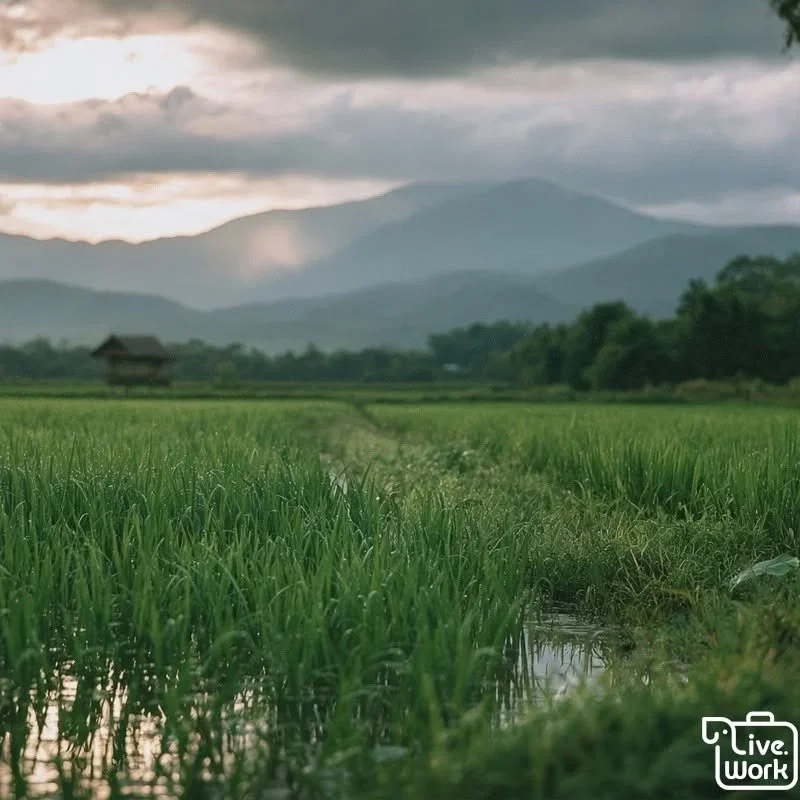
Chiang Mai’s green season transforms northern Thailand. Rain revives the forests around Doi Suthep, rice fields brighten across the countryside, garden foliage becomes intensely lush, and mountain ridges disappear beneath shifting layers of mist. The city feels softer and calmer, with fewer visitors at many temples, cafés, museums, and scenic viewpoints.
The rainy season in Chiang Mai generally extends from around May into October, although rainfall patterns vary from year to year. A rainy-season day does not necessarily mean continuous rain from morning to night. Many days include clear or cloudy periods interrupted by a strong afternoon or evening shower, while other days bring longer spells of rain. Flexibility is therefore more useful than a rigid itinerary.
Chiang Mai during the green season suits travelers who enjoy atmospheric landscapes, slower travel, photography, cafés, food, wellness, and spontaneous changes of plan. It is less suitable for visitors who require guaranteed sunshine or intend to build every day around mountain roads, long hikes, and uninterrupted outdoor activities.
Why Chiang Mai Becomes So Green During the Rainy Season
The dry months leave many parts of northern Thailand dusty and muted. Once regular rain returns, vegetation recovers quickly. Forest canopies become denser, roadside plants grow rapidly, waterfalls carry more water, and agricultural areas change from dry earth to vivid shades of green.
Rice fields are especially photogenic during the growing period, but their appearance depends on local planting schedules. Some fields may be newly flooded, others may contain young bright-green rice, and others may already be taller and darker. It is better to expect a changing agricultural landscape than to assume every field will look identical throughout the season.
The mountains around Chiang Mai also change character. Clouds settle lower over Doi Suthep and the surrounding highlands, creating dramatic layers of forest and mist. A viewpoint that offers a wide panorama on one morning may be completely hidden by cloud the next.
This uncertainty is part of the green-season experience. Chiang Mai becomes less predictable, but often more atmospheric.
What Rainy-Season Weather in Chiang Mai Really Feels Like
Chiang Mai remains warm and humid during the green season. Rain may lower the temperature temporarily, but the air can feel heavy before a storm and steamy once sunlight returns.
A typical day may begin with bright or overcast conditions, followed by increasing cloud and an afternoon shower. Evening rain is also common. However, weather does not follow a reliable daily timetable, and some storms arrive in the morning or continue for several hours.
Heavy tropical rain can be intense enough to overwhelm drainage temporarily. Streets may flood briefly, traffic slows, and ride-hailing demand increases. Water often recedes after the rain weakens, but low-lying areas can remain difficult to cross.
Travelers should avoid treating every weather forecast symbol as a prediction of all-day rain. A thunderstorm icon may represent one heavy shower within an otherwise usable day. At the same time, visitors should not dismiss warnings about prolonged rain, strong winds, thunderstorms, or flooding.
The most effective strategy is to check conditions each morning and plan the day in flexible blocks.
How to Structure a Green-Season Day
Outdoor activities are often easiest earlier in the day. Mornings can be used for temple visits, neighborhood walks, gardens, cycling, viewpoints, or short trips beyond the city. The hottest part of the afternoon can then be reserved for lunch, cafés, massage, shopping, museums, or a cooking class.
Rain does not need to end the day. It can simply signal a change of activity. A temple visit may become a café afternoon, while a mountain trip can be replaced by a market, gallery, or workshop.
| Time of Day | Suitable Activities | Green-Season Consideration |
|---|---|---|
| Early morning | Temple walks, outdoor markets, short hikes, gardens, countryside drives, and photography. | Temperatures are usually more comfortable, and heavy showers may be less likely than later in the day. |
| Late morning | Cafés, museums, craft studios, cooking classes, galleries, and relaxed lunches. | Keep rain protection accessible rather than packed at the bottom of a bag. |
| Afternoon | Indoor attractions, massage, shopping, covered markets, or flexible neighborhood exploration. | Strong showers and thunderstorms often develop during this period, although timing varies. |
| Evening | Restaurants, night markets, live music, hotel dining, and sheltered cultural activities. | Allow extra transport time because rain can increase traffic and ride demand. |
The goal is not to predict the rain perfectly. It is to keep enough alternatives available that one shower does not ruin the entire itinerary.
Temples Are Especially Atmospheric After Rain
Chiang Mai’s temples can be particularly beautiful during the green season. Wet tiles deepen in color, trees appear brighter, stone surfaces reflect soft light, and courtyards become quieter after a shower.
Wat Phra Singh, Wat Chedi Luang, Wat Chiang Man, and smaller neighborhood temples are easy to combine with cafés or indoor stops in the Old City. Visitors can move between sites without committing to a long journey.
Doi Suthep can look extraordinary in mist, but visibility is uncertain. The city panorama may disappear completely behind cloud, while the temple itself gains a quieter, more mysterious atmosphere. Travelers should decide whether the main priority is the view or the temple experience.
Shoes that are easy to remove remain useful because footwear must be taken off before entering many temple buildings. Wet socks can become uncomfortable, so quick-drying footwear or a spare pair of socks may be practical.
Temple etiquette remains the same in rainy weather. Shoulders and knees should be covered, voices should remain calm, and umbrellas should be closed before entering indoor sacred spaces.
Rice Fields and Countryside Scenery around Chiang Mai
The countryside around Chiang Mai becomes one of the main reasons to visit during the rainy months. Fields near San Kamphaeng, Mae Rim, Hang Dong, Doi Saket, and communities farther from the city may display flooded paddies, young rice plants, working farmers, and low clouds over distant hills.
Rice fields are workplaces and private agricultural land, not public photography sets. Visitors should remain on roads and established paths unless invited to enter. Walking onto planted fields can damage crops, irrigation channels, or soft soil.
Photography is often strongest after rain, when water reflects the sky and the landscape appears freshly washed. Early morning can bring low mist, while late afternoon may produce dramatic light beneath storm clouds.
A car with a driver is often the most comfortable way to explore rural areas during the green season. It provides shelter from sudden rain and avoids the risks associated with riding a scooter on wet, unfamiliar roads.
Waterfalls Are More Impressive but Require More Caution
Rain increases the flow at waterfalls around Chiang Mai, including Huay Kaew, Mae Sa, and other cascades in the surrounding mountains. Forests become greener, streams sound stronger, and smaller waterfalls that appear weak during the dry season may become far more attractive.
The same rain that improves the scenery also increases risk. Rocks can become extremely slippery, paths may turn muddy, and water levels can rise quickly after rainfall higher in the mountains.
Visitors should avoid climbing wet rock faces, entering fast-moving water, or ignoring closure signs. A waterfall that was calm during a previous visit may behave differently after several days of rain.
Dark clouds, sudden changes in water color, floating debris, or rapidly increasing flow are reasons to move away from the stream. Flash flooding can occur even when rain is not falling directly at the waterfall.
Grippy shoes and cautious movement are more important than reaching the most dramatic viewpoint.
The Best Indoor Activities for Heavy Rain
Chiang Mai has enough indoor attractions to support several rainy afternoons. Museums, galleries, workshops, cafés, markets, massage venues, and cooking classes can all become part of the main itinerary rather than emergency substitutes.
The Lanna Folklife Museum and Chiang Mai City Arts and Cultural Centre provide context for the history and culture of northern Thailand. Small galleries and contemporary art spaces introduce newer interpretations of the city’s identity.
Craft workshops are another strong green-season option. Visitors can learn about ceramics, textiles, silverwork, umbrella making, woodcarving, or traditional paper. Some studios require advance arrangements, so it is useful to keep two or three possible venues saved before the weather changes.
Cooking classes work particularly well because many include market visits followed by several hours in a covered kitchen. Rain can even improve the atmosphere, especially when the class takes place in a garden or countryside setting.
Chiang Mai’s café culture also makes slow days easy. A rainy afternoon can be spent trying locally grown coffee, reading, working, or watching the street from a covered terrace.
Green-Season Photography in Chiang Mai
Rain changes the quality of light. Instead of harsh midday contrast, cloud cover often creates soft, diffused illumination that works well for portraits, temple details, food, streets, and landscapes.
Immediately after a shower, colors become more saturated. Red brick, golden temple decoration, green foliage, wet asphalt, and market umbrellas all photograph well against a grey sky.
Mountain photography is less predictable. Mist can hide a view completely, but it can also create depth by separating ridges into pale layers. Photographers should treat cloud as part of the composition rather than waiting only for a perfectly clear panorama.
A dry bag or waterproof pouch is essential for cameras, phones, batteries, and memory cards. Lens cloths are useful because humidity and temperature changes can cause condensation.
Moving from a cool air-conditioned room into humid outdoor air may fog a camera lens. Keeping equipment inside a closed bag for a short period allows it to adjust gradually to the temperature change.
Rain should never be allowed to damage equipment or distract from personal safety. Photographing lightning, flooded roads, waterfalls, or mountain traffic from unsafe positions is not worth the risk.
What to Pack for Chiang Mai’s Rainy Season
A light rain jacket or poncho is useful for sudden showers, particularly when walking between buildings or waiting for transport. Heavy waterproof jackets can feel uncomfortable in the heat, so breathable and packable materials are generally more practical.
A small umbrella works well for city walks and light rain. It is less useful in strong wind or on crowded pavements, where a poncho may be easier to manage.
Quick-drying clothing reduces discomfort after rain. Cotton can remain damp for a long time, while lightweight travel fabrics dry more quickly in an air-conditioned room.
Footwear should provide grip. Smooth flip-flops and worn sandals can become slippery on wet tiles, polished temple floors, metal grates, and stone steps. Sandals with secure straps or lightweight shoes with textured soles are safer choices.
A dry bag, waterproof phone pouch, or sealed plastic bag protects electronics and documents. A small microfiber towel is useful for wet seats, hands, glasses, or camera equipment.
Insect repellent remains important because mosquitoes become more noticeable in gardens, forested areas, and locations with standing water. Long, lightweight clothing can provide additional protection during early mornings and evenings.
Getting Around Chiang Mai in the Rain
Ride-hailing services, taxis, songthaews, and private drivers remain practical during the green season, but availability can tighten during heavy rain. Prices and waiting times may increase when many people request transport at once.
Traffic becomes slower when visibility decreases or water accumulates on roads. Travelers should leave additional time before flights, train departures, tours, and restaurant reservations.
Walking is still possible during light rain, especially within the Old City and compact neighborhoods such as Nimman. Covered areas, cafés, temple buildings, and shops provide places to pause when showers intensify.
Scooters require much greater caution. Wet roads reduce traction, painted road markings become slippery, potholes may be hidden by water, and mountain routes can collect mud, leaves, or gravel. Riders need the correct license, appropriate insurance, a properly fitted helmet, and genuine experience in difficult conditions.
Travelers who are uncertain should use a car or hired driver. Green-season roads are not the right environment in which to learn to ride a motorcycle.
Mountain Roads, Landslides, and Outdoor Safety
Trips to Doi Suthep, Doi Inthanon, Mon Jam, Mae Kampong, and other mountain destinations require flexible planning during prolonged rain. Fog can reduce visibility, roads may become slippery, and heavy rainfall can cause fallen branches, erosion, or temporary closures.
Drivers should slow down and use lights appropriately rather than following dry-season travel times. Passengers should avoid pressuring a driver to continue when conditions are poor.
Hiking routes can also change quickly. Mud, leeches, stream crossings, fallen trees, and unstable slopes may turn a normally manageable trail into a more difficult journey.
Guided walks are often safer than independent hiking when recent rainfall has been heavy. Local guides understand trail conditions and may know when a route should be avoided.
Posted warnings and instructions from park staff should always take priority over an itinerary created earlier.
Crowds, Prices, and the Slower Green-Season Atmosphere
The rainy months are generally quieter than the main cool-season travel period. Popular temples, restaurants, cafés, and hotels may feel less crowded, particularly on weekdays.
Accommodation promotions and tour discounts may be available, but lower prices are not guaranteed everywhere. Some hotels and experiences maintain stable rates, while others reduce availability rather than offering large discounts.
The greater benefit is often space rather than price. A hotel pool may be quiet between showers, a café may have open tables, and a temple courtyard may feel more contemplative.
Some tourism businesses reduce operating hours during quieter months. Boat trips, mountain activities, outdoor attractions, and seasonal venues may modify schedules according to demand and weather. Important activities should be confirmed before making a long journey.
Food and Markets during the Rainy Months
Rainy weather suits Chiang Mai’s warming northern dishes. Khao soi, noodle soups, gaeng hung lay, grilled meats, sticky rice, and chili dips feel especially satisfying during a cool shower.
Markets remain an important part of city life, although outdoor sections may become difficult during heavy rain. Covered fresh markets and food halls provide more dependable options.
Night markets may continue during light rain, with vendors using tarps and umbrellas to protect goods. During intense storms, some stalls may open late, close early, or not operate at all.
Carrying small cash in a waterproof pouch makes market visits easier. Wet banknotes are inconvenient for both visitors and vendors.
Fresh seasonal produce can vary throughout the green season. Markets may display longan, rambutan, mangosteen, durian, mushrooms, herbs, and local vegetables depending on agricultural timing and supply.
Common Mistakes during Chiang Mai’s Green Season
The most common mistake is canceling every outdoor plan because rain appears in the forecast. Many days still provide several usable hours, particularly when activities begin early.
The opposite mistake is ignoring serious weather warnings. Heavy rain, thunderstorms, flash floods, and unsafe mountain conditions should not be treated as minor inconveniences.
Travelers also pack only beach-style sandals and discover that they provide little grip on wet temple tiles or stone steps. Suitable footwear makes a major difference.
Another mistake is scheduling distant outdoor attractions on consecutive days without alternatives. A more resilient itinerary mixes mountain trips with museums, cafés, food, craft workshops, and wellness activities.
Expecting guaranteed rice-field views can also lead to disappointment. Agricultural landscapes depend on planting cycles, location, and recent weather.
The green season is most rewarding when visitors accept that plans may change.
Is Chiang Mai Worth Visiting in the Rainy Season?
Chiang Mai is worth visiting during the green season for travelers who value atmosphere, nature, food, photography, and a slower pace. The city remains fully active, while the surrounding landscape becomes more vivid than during the dry months.
It is a particularly good season for repeat visitors. Someone who has already seen Chiang Mai under clear cool-season skies can discover a different version of the city through mist, wet streets, quiet temples, rushing waterfalls, and green countryside.
First-time visitors can also enjoy the season, provided they keep plans flexible and avoid building the entire trip around clear mountain views.
Travelers seeking uninterrupted sun, dry trekking trails, and guaranteed outdoor conditions may prefer another period. Green-season Chiang Mai rewards adaptability rather than certainty.
Conclusion
Chiang Mai’s green season replaces dry landscapes with bright rice fields, dense forest, flowing waterfalls, reflective streets, and mist-covered mountains. Rain changes the rhythm of travel, but it does not remove the city’s appeal.
The best approach is to use mornings for outdoor activities, keep indoor alternatives ready, protect electronics, wear shoes with proper grip, and allow weather to reshape the itinerary. Mountain roads, waterfalls, and hiking routes require additional caution after heavy rain.
Visitors who accept this flexibility often experience a quieter and more atmospheric Chiang Mai. Temples feel calmer, cafés become natural places to pause, and the light after a shower gives the city and surrounding countryside an unusually cinematic quality.
The rainy season is not simply a cheaper or less crowded substitute for the cool months. It is a distinct Chiang Mai experience, defined by changing skies, refreshed landscapes, and the pleasure of slowing down between showers.