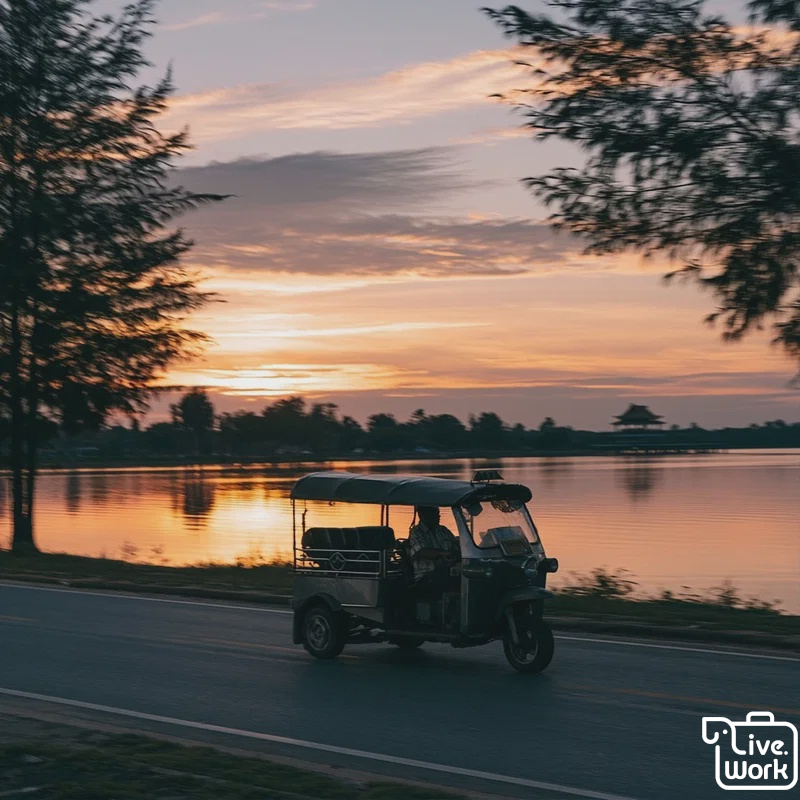
Udon Thani Without a Car: An Easy Isan Basecamp for Temples, Lakeside Walks, Local Food, Markets, and Day Trips
Udon Thani is one of the easiest cities in Isan to use as a relaxed basecamp. It is big enough to feel convenient, with cafés, hotels, markets, ride-hailing, shopping, restaurants, and transport connections, but it still keeps the gentle rhythm of northeastern Thailand. The streets feel more manageable than Bangkok, the atmosphere is friendly, and the city gives you a practical way to explore local culture without needing to rent a car.
That is the real strength of Udon Thani. You can stay in town, enjoy the comfort of a proper city base, and still reach temples, lakeside parks, wetlands, villages, museums, and nearby nature spots through a mix of Grab, tuk-tuks, songthaews, shared vans, and local tours. It is a good choice for travelers who want to see more of Isan but do not want the stress of self-driving.
A good Udon Thani stay does not need to be complicated. Start the morning with a short temple visit while the light is soft and the air is still comfortable. Move toward a lake or park by midday or late afternoon, where you can walk slowly, snack, and watch local life around the water. In the evening, return to town for cafés, markets, grilled food, and an easy night scene. Then, on another day, choose one structured day trip beyond the city. This balance lets Udon Thani work as both a destination and a base.
Why Udon Thani Works So Well as a Basecamp
Some cities are interesting but logistically difficult. Udon Thani is the opposite. It is easy to arrive, easy to settle into, and easy to use as a practical starting point. The city has an airport, train connections, bus services, hotels in different budget ranges, malls, night markets, local restaurants, cafés, and enough transport options that you do not need to solve everything before you arrive.
For travelers who do not want to rent a car, this matters. In many parts of rural Thailand, having your own vehicle makes travel much easier. Udon Thani gives you more flexibility. You can use ride-hailing for short urban hops, tuk-tuks for local movement, songthaews for cheaper shared transport on certain routes, and shared minivans or local tours for structured day trips. The system may not always feel as formal as in a major capital city, but it is workable if you stay flexible and ask locally.
The city also has the right mood for returning after a day out. After visiting a temple, lake, museum, wetland, or village, you can come back to a comfortable hotel, eat in town, walk through a market, or sit in a café. This makes Udon Thani less tiring than using a very small rural town as a base, especially if you like convenience at the end of the day.
Start the Morning with a Local Temple
The best way to begin a day in Udon Thani is quietly. Early morning is a good time for temples because the air is cooler, the light is softer, and the atmosphere feels more reflective. A short ride from your accommodation can bring you to a local temple where golden details, Buddha statues, incense, tiled roofs, and quiet courtyards create a gentle start.
A temple visit does not need to be long to be meaningful. Walk slowly, speak softly, dress respectfully, and notice the small details rather than only taking photos. Look at the hands of the Buddha images, the patterns on doors, the gold leaf, the rooflines, the murals, the flowers, and the way local people move through the space. Temples are not only attractions. They are active religious places, so the best visitors behave calmly.
If you are unsure which temple to choose, ask your hotel or guesthouse for a nearby recommendation. This is often better than chasing a famous place far away first thing in the morning. Udon Thani works well when you begin with something local and simple, then expand outward later.
Soft Daylight and Small Details
The early light changes how a temple feels. Gold looks warmer, white walls feel calmer, and shaded corners remain cool enough to linger. This is the time to slow down and let your eyes adjust. Many travelers move too quickly through temples because they think the main object is one statue or one photo. In reality, the atmosphere is built from many small details.
You might see monks moving between buildings, local visitors making offerings, dogs sleeping in the shade, old trees beside the courtyard, or flowers placed carefully near a shrine. These quiet scenes are part of what makes a local temple stop worthwhile.
For photography, stay respectful. Avoid photographing people praying too closely, do not stand in doorways, do not climb on structures for a better angle, and remove shoes where required. If a place feels especially quiet, let it remain quiet.
Midday and Late Afternoon by the Water
Udon Thani’s lakes and parks give the city its softer side. After a morning temple visit or a day trip, heading toward a lakeside spot is one of the best ways to slow down. The promenade, walking paths, shaded areas, small vendors, and open water create a relaxed break from streets and traffic.
Water changes the feeling of a city. It gives people somewhere to walk, sit, exercise, eat snacks, bring children, meet friends, or simply look across the surface for a while. In Udon Thani, a lakeside stop can be both practical and atmospheric. It is easy to reach, does not require a guide, and gives you a natural pause in the day.
The best time is usually late afternoon into golden hour. Midday can be hot, and the open spaces may feel exposed. Later in the day, the air becomes more comfortable, local life becomes more visible, and the water reflects the changing sky. This is when a simple walk can become one of the most enjoyable parts of the city break.
Lakeside Snacks and Everyday Isan Life
A lakeside visit is also a good chance to snack. Look for fruit, iced drinks, grilled items, small desserts, or simple local bites from nearby vendors. The point is not necessarily to have a full meal. It is to graze lightly while watching the city move around you.
This kind of eating fits Udon Thani well. Isan cities often reveal themselves through casual food moments rather than formal restaurant plans. A bag of fruit, a skewer, a sweet snack, a cold tea, or something grilled beside the water can tell you more about local rhythm than a rushed meal in a tourist-oriented place.
Take your time. Walk first, snack later, then sit by the water if there is a comfortable spot. Watch fishermen, families, joggers, students, and couples using the public space in different ways. This is the everyday side of Udon Thani, and it is one of the reasons the city feels easy.
Udon Thani Without Renting a Car
Not renting a car changes how you plan, but it does not prevent you from enjoying Udon Thani. The key is to think in layers. Short city trips are best handled with Grab, tuk-tuks, or hotel-arranged transport. Slightly longer local routes may be possible with songthaews or shared transport, depending on where you want to go and how comfortable you are with informal systems. Longer day trips are easiest with a local tour, shared minivan, private driver, or a combination of public transport and short local connections.
The most important habit is to confirm the return before you leave. Getting to a place is only half the plan. You also need to know how you will get back. If you take a tuk-tuk or local driver to a quieter spot, agree on pickup timing or ask whether they can wait. If you use a ride-hailing app, check whether cars are likely to be available for the return. If you join a tour or shared minivan, confirm the drop-off point and schedule.
This does not need to be stressful. It simply means building a little extra time into the day. Udon Thani is more enjoyable when you do not rush between transport types.
Transport Options for a Car-Free Udon Thani Stay
| Transport Option | Atmosphere | Best Use |
|---|---|---|
| Grab or Ride-Hailing | Simple, predictable, and comfortable, especially for visitors who want clear pricing and direct routes. | Best for short city rides, temple visits, cafés, markets, lakeside stops, and returning to your hotel after dinner. |
| Tuk-Tuk | Local, informal, and useful for short hops when you agree on the price before starting. | Best for nearby temples, quick market connections, short rides from transport hubs, and flexible movement around central areas. |
| Songthaew | Budget-friendly and local, but route knowledge is useful because services may feel informal to first-time visitors. | Best for travelers who are comfortable asking locals, using basic Thai place names, and keeping the day flexible. |
| Shared Minivan | Structured and practical for longer distances, with less planning needed than combining several local rides yourself. | Best for day trips outside the city, especially when you want a clear departure, return time, and cost. |
| Local Tour | Easy and low-stress, with transport, timing, and multiple stops usually arranged in one package. | Best for visitors who want to see highlights in one day and return to Udon Thani for dinner without managing transfers. |
| Hotel-Arranged Taxi or Driver | Comfortable and flexible, often more expensive but easier for quiet parks, wetlands, or multi-stop routes. | Best for nature lovers, families, photographers, or anyone who wants to visit places beyond the city without transport uncertainty. |
Nearby Parks, Wetlands, and Nature Escapes
Udon Thani is not only a city stop. It is also a useful base for nature lovers who want short escapes into quieter landscapes. Depending on the season, timing, and transport plan, you can use the city as a starting point for parks, wetlands, lotus lakes, rural scenery, and peaceful water-based areas.
Wetlands and lakes are especially rewarding because they show a different side of Isan. Instead of mountains or beaches, you get open water, reeds, birds, boats, fishermen, farmers, families, and soft skies. These landscapes are quiet, horizontal, and deeply local. They are also best visited at the right time of day, usually early morning or late afternoon, when the light is gentle and the heat is less intense.
Nature day trips should be planned more carefully than city stops. Check the season, ask about water levels, confirm transport, and avoid assuming that every place has easy return options. If you want a very smooth day, choose a local tour or driver. If you are comfortable with more informal travel, mix public transport with local tuk-tuks or short rides.
The beauty of using Udon Thani as a base is that you can experience these quieter places and still return to city comfort at night.
Structured Day Trips: The Easy Option
If you prefer not to think too much about transport, structured day trips are the easiest way to explore beyond Udon Thani. Shared minivans, local tours, or private drivers can connect several highlights in one day and bring you back to town for dinner. This is especially useful if you want to visit places that are spread out or not easy to reach by direct public transport.
A structured trip also helps with timing. Some attractions are best early. Others are better after the midday heat. A local operator or driver usually understands how to arrange the day more comfortably. This can make a big difference if you want to see temples, lakes, museums, villages, or nature spots without spending half the day figuring out connections.
The trade-off is flexibility. A shared tour may move faster than you would on your own, while a private driver gives more control but costs more. Choose based on your travel style. If you like independence, build your own route. If you want ease, book something structured and enjoy the ride.
A Simple Car-Free Udon Thani Day Flow
| Part of the Day | Atmosphere | Best Focus |
|---|---|---|
| Morning Temple Visit | Calm, reflective, and gently lit, with Buddha statues, golden details, quiet courtyards, and a soft start to the day. | Use Grab, a tuk-tuk, or hotel-arranged transport for a short ride to a local temple, and take time to observe respectfully. |
| Late Morning Café Break | Comfortable and easy, with Udon Thani’s urban side giving you air-conditioning, coffee, and a pause before the heat builds. | Choose a café near your next route, check transport options, and avoid overloading the day too early. |
| Midday Lakeside or Local Food Stop | Casual and local, with simple snacks, rice dishes, fruit, iced drinks, and everyday city movement. | Walk near the water if the heat allows, try local snacks, and use the stop as a relaxed bridge between morning and afternoon. |
| Afternoon Park or Wetland Escape | Quieter, greener, and more open, especially if you choose a nearby nature spot, lake, or wetland area outside the busiest streets. | Use a predictable transport mix such as Grab plus a local tuk-tuk, or choose a driver if the return journey may be uncertain. |
| Golden-Hour Promenade Walk | Breezy, social, and relaxed, with families, fishermen, joggers, vendors, and city life gathering around the water. | Return to a lakeside area before sunset, walk slowly, take photos, and enjoy the cooler evening air. |
| Night Market and Dinner | Lively but easygoing, with grilled food, fruit, snacks, casual shopping, and a friendly Isan city atmosphere. | End the day in town, browse without rushing, eat from stalls or a local restaurant, and keep transport back to your hotel simple. |
Cafés, Markets, and Night Life as Your Home Base
One of the best reasons to stay in Udon Thani city is that your evenings remain easy. After a day trip, you do not need to search for food in a remote area or worry about returning after dark from a distant village. You can come back to town, shower, rest, and then walk or ride to dinner.
The city has enough cafés and markets to make downtime enjoyable. A café break can become your planning space, your air-conditioned rest stop, or your place to recover after a hot walk. Markets give the evening more energy, with grilled meats, fruit, sweets, noodles, drinks, clothing, and casual browsing.
This is what makes Udon Thani such a good basecamp. You can spend the day exploring beyond the city, but your nights stay convenient. The balance is especially helpful for travelers who want local experiences without sacrificing comfort.
Local Food Between Day Trips
Food in Udon Thani is one of the quiet highlights of staying here. Isan flavors are bold, fresh, spicy, sour, herbal, and often smoky. Even if food is not the only reason you came, it quickly becomes part of the daily rhythm.
After a morning temple visit, you might have a simple rice dish or noodle soup. After a lakeside walk, you might try fruit, grilled skewers, or iced tea. At night, you can build dinner from market stalls, ordering a little at a time. Som tam, grilled chicken, sticky rice, larb, soups, sausages, and grilled fish all fit the region’s flavor profile.
As always in Isan, be honest about spice. The food can be intense, and that is part of the pleasure, but the goal is to enjoy it rather than suffer through it. Ask for less chili if needed, use sticky rice and fresh vegetables to balance heat, and drink plenty of water.
How to Plan Costs Without Surprises
Car-free travel can be affordable in Udon Thani, but costs depend on how you combine transport. A short ride in town is usually manageable, especially if you use ride-hailing or agree on tuk-tuk prices in advance. A full day with a private driver will cost more, but it may still be good value if it replaces several uncertain connections.
The most predictable approach is to group nearby places together. Do not jump from one side of the province to another in a single afternoon unless you are on a structured tour. Build each day around one main area or one main theme: city temples and lake, museum and market, wetland and snacks, or a guided day trip beyond town.
Always confirm whether a quoted price is one-way, return, per person, or for the whole vehicle. With informal transport, clarify before departure. With tours, ask what is included: pickup, entrance fees, lunch, guide, boat ride, and return time. Clear questions prevent awkward surprises later.
What to Pack for a Car-Free Udon Thani Day
Udon Thani day trips are easier when your bag is light but practical. You may move between temples, vehicles, parks, wetland paths, cafés, and markets, so comfort matters.
| Item | Why It Helps | Best Use in Udon Thani |
|---|---|---|
| Small Day Bag | Keeps essentials together without becoming awkward in tuk-tuks, songthaews, cafés, temples, or crowded markets. | Use it for water, wallet, phone, tissues, sunscreen, temple layer, and small market purchases. |
| Small Cash | Useful for tuk-tuks, songthaews, snacks, temple donations, markets, and places that do not take cards. | Keep smaller notes easy to reach so quick rides and stall purchases are simple. |
| Water Bottle | Heat and walking can dehydrate you quickly, especially around lakes, parks, and open markets. | Carry water throughout the day and refill when possible during café or hotel stops. |
| Temple-Appropriate Layer | Temples require respectful dress, especially covered shoulders and modest clothing in sacred areas. | Use a light shirt, scarf, or cover-up that fits easily into your bag between temple visits. |
| Hat or Umbrella | Sun exposure can be strong during lake walks, market browsing, and open park areas. | Use it for both sun and sudden rain, especially if you are walking between transport stops. |
| Offline Map and Saved Thai Place Names | Local drivers may recognize Thai names more easily than English spellings, and signal can vary outside the city. | Save your destination names before leaving so you can show them clearly to drivers or ask for help. |
| Light Rain Protection | Rain can change transport plans quickly, especially during green-season travel or wetland visits. | Carry a compact rain jacket or umbrella so showers do not interrupt the whole day. |
A Two-Day Basecamp Plan
For a short stay, two days are enough to understand why Udon Thani works so well as a base. The first day can stay close to the city. Begin with a temple, have a café break, visit a lakeside park, and finish with a market dinner. This gives you the urban rhythm without stress.
The second day can move outward. Choose one structured day trip or one nature-focused escape. That might mean a museum and village route, a wetland or lotus-lake experience when conditions are right, or a temple-and-countryside trip arranged through your hotel or a local operator. The important thing is to return to Udon Thani in time for dinner. That keeps the city functioning as your base rather than turning each day into a long logistical test.
If you stay longer, the rhythm becomes even easier. You can alternate active days with soft city days: one day out, one day in town; one day nature, one day cafés and markets. This prevents travel fatigue and lets Udon Thani feel like a temporary home rather than just a stopover.
A Simple Two-Day Udon Thani Basecamp Plan
| Day | Atmosphere | Best Focus |
|---|---|---|
| Day 1: City Temples, Lake, and Night Market | Easy, local, and comfortable, with short rides, soft temple light, lakeside walking, and a lively but manageable evening. | Stay mostly in town, use Grab or tuk-tuks, visit a local temple, relax around Nong Prajak or another lakeside area, and finish with street food or market browsing. |
| Day 2: Nature, Wetlands, or Culture Beyond the City | More exploratory but still low-stress if transport is planned well and the route is not overloaded. | Choose one main day trip by shared minivan, local tour, driver, or public transport plus local connection, then return to Udon Thani for dinner and cafés. |
Why Udon Thani Is a Good First Step into Isan
For many travelers, Isan can feel less familiar than Thailand’s beaches, Bangkok, Chiang Mai, or the southern islands. Udon Thani makes the region easier to approach. It has enough infrastructure to feel comfortable, but enough local character to feel different from the more tourist-heavy routes.
You can experience northeastern food, temple life, lakeside evenings, markets, wetlands, and village-edge landscapes without feeling isolated. You can make your days as structured or as independent as you like. You can travel without a car and still see more than the city center.
That combination is rare. Udon Thani is not only a place to pass through on the way somewhere else. It is a useful, enjoyable, and underrated base for understanding Isan at a relaxed pace.
Conclusion
Udon Thani is one of the easiest cities in Isan to use as a car-free basecamp for temples, lakeside walks, markets, wetlands, and nearby cultural day trips. Begin with a local temple in soft morning light, slow down around the lake or promenade later in the day, and use the city’s cafés, restaurants, markets, and hotels as your comfortable home base. Short rides by Grab, tuk-tuk, or songthaew can cover city movement, while shared minivans, local tours, and hotel-arranged drivers make longer day trips manageable without renting a car. The best part of Udon Thani is the balance: you can explore authentic local culture just beyond the city, then return for dinner, night markets, and an easy evening in town.