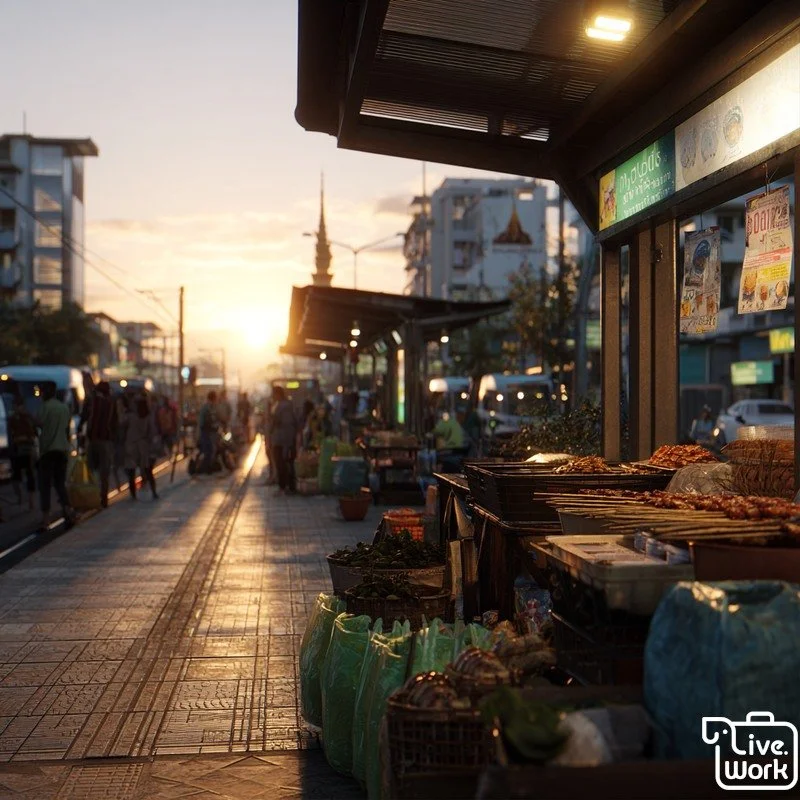
Udon Thani & Khon Kaen: Isan’s Rising Urban Centers Balancing Growth and Identity
Northeast Thailand is changing—and two cities are leading that shift. Udon Thani and Khon Kaen are emerging as modern urban hubs that still feel unmistakably Isan. Rather than chasing a Bangkok-style transformation, both cities are modernizing on their own terms—pairing infrastructure upgrades, new businesses, and professional opportunities with a visible commitment to local culture, food, and community life.
For travelers, this means a more grounded version of Thailand. For professionals and long-stay residents, it signals real alternatives to the capital—places where careers, creativity, and quality of life can coexist.
Udon Thani: Momentum, Connectivity, and Everyday Isan Life
Udon Thani’s growth is tangible the moment you arrive. The city feels energized—cafés open early, coworking spaces are busy, and transport links continue to improve. Yet beneath this momentum, daily life still follows familiar Isan rhythms.
Mornings often begin at local markets where vendors sell sticky rice, grilled meats, and fresh fruit to regulars who’ve been coming for years. Temples remain active centers of community life, quietly anchoring neighborhoods even as new developments rise nearby.
What defines Udon Thani today:
A fast-growing café and coworking scene
Improved connectivity within the region and beyond
A practical, lived-in city feel rather than a polished facade
This mix makes Udon Thani appealing to remote workers and entrepreneurs who want energy without anonymity—and modern comforts without cultural disconnection.
Khon Kaen: Innovation Powered by Education and Culture
If Udon Thani feels entrepreneurial, Khon Kaen feels academic and experimental. Driven by major universities and research institutions, the city has become a focal point for innovation in Isan. New business districts, tech initiatives, and infrastructure projects are shaping Khon Kaen’s future—but not at the expense of its roots.
Isan music, food, and festivals remain central to the city’s identity. You’ll hear traditional sounds at events, see local dishes proudly featured in modern restaurants, and find community gatherings woven into the calendar year-round.
Khon Kaen stands out for:
University-led innovation and youthful energy
Growing professional and business ecosystems
Strong preservation of Isan cultural expression
It’s a city where progress feels collaborative rather than imposed.
Development With Cultural Pride
What truly sets both cities apart is how they’re developing. Instead of erasing the past, Udon Thani and Khon Kaen are actively incorporating local culture into public spaces and daily life. Markets are upgraded rather than displaced. Local food is celebrated, not sidelined. Crafts, music, and regional storytelling are integrated into festivals and civic identity.
This approach creates cities that feel authentic even as they modernize—places where growth adds layers rather than replaces them.
A New Kind of Opportunity Beyond Bangkok
For professionals, these cities hint at a broader shift in Thailand’s future. Career paths, business ventures, and remote work no longer need to be Bangkok-centric. Costs are generally lower, commutes shorter, and communities more accessible.
For visitors, the appeal is different but equally strong: a chance to experience Thailand as it’s lived today, not just as it’s marketed. You’ll find fewer tour buses and more everyday moments—shared meals, neighborhood cafés, and festivals that feel personal rather than performative.
Why These Cities Matter Now
Udon Thani and Khon Kaen aren’t “next big things” chasing attention—they’re quietly becoming solid, livable cities with long-term potential. Their blend of modernization and cultural confidence makes them especially relevant for anyone curious about Northeast Thailand’s role in the country’s future.
They offer proof that development doesn’t have to dilute identity—and that meaningful urban life in Thailand can thrive well beyond the capital.
Conclusion
Udon Thani and Khon Kaen represent a new chapter for Isan: cities that are modernizing rapidly while keeping their cultural roots firmly in view. With growing professional opportunities, vibrant local scenes, and a strong sense of place, they offer both visitors and residents a compelling alternative to Bangkok. If you’re exploring, relocating, or simply watching Thailand’s evolution, these two cities are worth paying attention to now.