Songkhla & Hat Yai: Southern Thailand’s Most Flavorful, Lived-In City Pair
Southern Thailand isn’t only about islands and resorts. In Songkhla and Hat Yai, you’ll find a south that feels grounded, expressive, and deeply local—where culture shows up in architecture, language, and especially food. Together, these neighboring cities offer a compelling contrast: Songkhla’s breezy heritage calm paired with Hat Yai’s energetic, appetite-led urban pulse.
If you’re looking for a less-touristy south with real city rhythms, this duo delivers character in spades.
Songkhla Old Town: Pastel Streets and Waterfront Ease
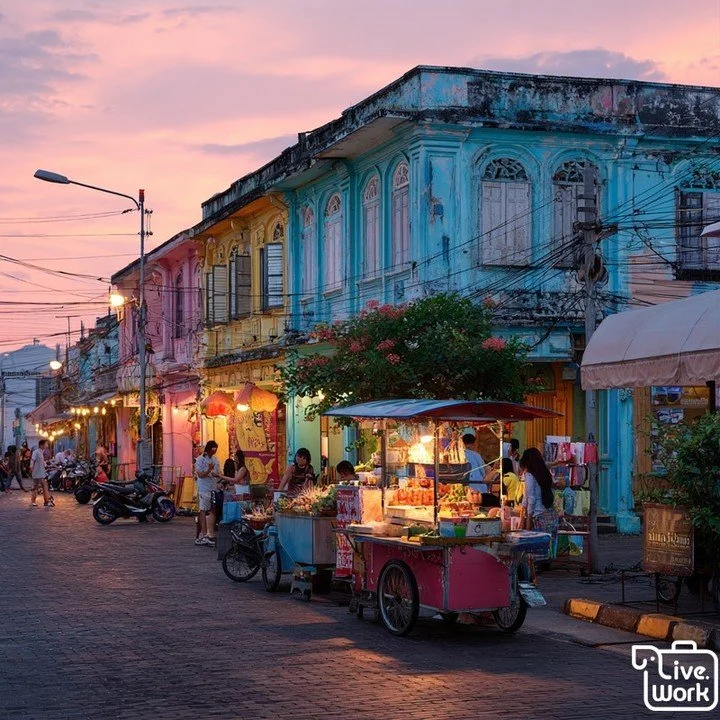
Songkhla’s old town invites slow wandering. Pastel shophouses line compact streets, many restored just enough to keep their charm intact. Murals and street art appear in thoughtful bursts—never overwhelming—adding contemporary texture to a neighborhood shaped by centuries of trade.
The city’s Chinese-Thai heritage is visible everywhere: in family shrines tucked behind storefronts, in signage, and in the way businesses pass from one generation to the next. Step toward the water and the mood softens further. Breezes off Songkhla Lake cool the afternoons, and benches along the waterfront make lingering feel natural rather than indulgent.
Why Songkhla works:
Human-scaled streets made for walking
A calm, lived-in pace without feeling sleepy
Heritage that feels authentic, not staged
From Calm to Buzz: The Easy Shift to Hat Yai
A short hop inland brings you to Hat Yai, and the energy lifts immediately. This is the commercial heart of the south—busy, expressive, and proudly food-forward. Markets hum from late afternoon into the night, drawing locals and regional visitors who come specifically to eat.
Hat Yai doesn’t curate its scene for outsiders; it feeds the city first. That’s exactly why the food hits harder.
Hat Yai’s Street Food: Bold, Smoky, Unforgettable
Food is the language everyone speaks in Hat Yai. As you move through night markets and side streets, aromas stack quickly: charcoal smoke from grilled seafood, butter and sugar caramelizing on hot plates, spices blooming in curries.
Don’t miss:
Smoky grilled seafood served fresh off the fire
Crispy roti, folded fast and finished with condensed milk or egg
Rich southern curries with deeper spice and heat
Sweet iced tea—strong, milky, and perfectly cooling
The joy is in the wandering. Try a few bites, keep moving, and let curiosity guide you rather than a checklist.
A Cultural Crossroads You Can Taste and Hear
What makes Songkhla and Hat Yai special isn’t just variety—it’s integration. Malay, Thai, and Chinese influences blend seamlessly into daily life. You’ll hear multiple languages and dialects in a single market aisle. Menus reflect shared histories. Festivals and rituals overlap without friction.
This mix shows up in:
Architecture that blends styles and eras
Food that balances spice, sweetness, and smoke
Social rhythms shaped by trade, travel, and community
It’s a culture you experience by being present, not by visiting a single attraction.
Practical, Real, and Rewarding to Explore
These cities are easy to navigate and refreshingly practical. Transport links are solid, accommodation ranges from simple to stylish, and costs are generally reasonable. Most importantly, the experience feels real. You’re stepping into cities that function for residents first—and that’s what makes them memorable for visitors.
They’re ideal for:
Food-driven trips
Culture lovers who prefer cities to resorts
Travelers seeking authenticity over spectacle
Conclusion
Songkhla and Hat Yai reveal a southern Thailand that’s rich in flavor, history, and everyday life. From Songkhla’s pastel old town and breezy waterfront to Hat Yai’s high-energy markets and unforgettable street food, this pairing offers depth without pretense. If you want a less-touristy south with genuine city rhythm and some of the country’s best eating, put these two cities at the top of your list.