Thai Street Snack Taste Test: Team Sweet vs. Team Savory—Which Side Wins Your Day?
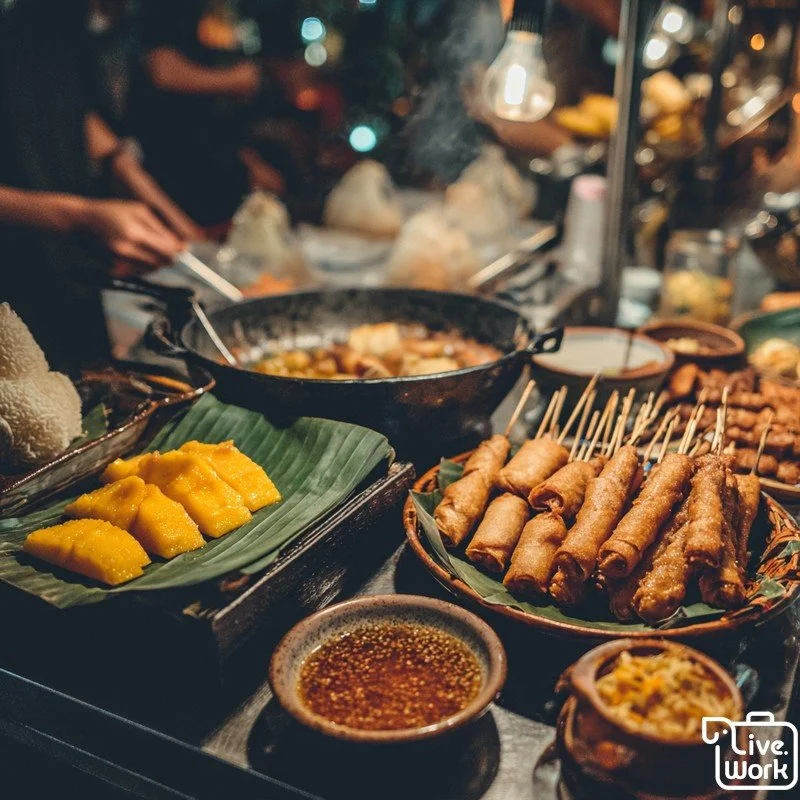
Step into any evening market in Thailand and you’re immediately pulled into a world of contrasts. The air is filled with competing aromas—sweet coconut drifting from one side, smoky grilled meat from another. Lights reflect off stainless steel carts, vendors move with practiced rhythm, and every few steps present a new decision. It’s not just about eating—it’s about choosing.
And that’s where the idea of a “taste test challenge” becomes interesting. If you had to spend an entire day navigating Thailand’s street food scene with only one direction—sweet or savory—which path would define your experience?
This is not simply a matter of preference. It’s about how flavors shape your movement through a market, how textures build over time, and how one choice influences every bite that follows.
The Sweet Side: Soft Textures, Coconut Depth, and Gentle Satisfaction
The sweet team begins with one of Thailand’s most recognizable desserts: mango sticky rice. At first glance, it looks simple—ripe mango slices paired with sticky rice—but the balance is more nuanced than it appears. The rice carries a subtle saltiness beneath its sweetness, enriched by coconut milk that adds both creaminess and depth. The mango, soft and fragrant, provides freshness that cuts through the richness.
Eating it slowly, you begin to notice how the flavors layer rather than compete. It’s not a sharp sweetness, but a rounded one, designed to linger rather than overwhelm.
Moving further into the sweet category brings you to khanom krok, small coconut pancakes cooked in cast-iron pans. Watching them being made is part of the experience. Batter is poured into shallow molds, left to set, and then topped with a second layer that creates a contrast between a slightly crisp base and a soft, custard-like center.
When you bite into one, the texture shifts instantly. The outside offers a light resistance, while the inside is warm, creamy, and slightly sweet with a hint of salt. It’s a small snack, but it carries complexity, especially when eaten fresh off the pan.
Spending a full day on the sweet side creates a certain rhythm. The flavors are gentle, the textures soft, and the pace naturally slower. Sweet snacks invite pauses rather than quick consumption. They are less about immediate hunger and more about satisfaction that builds gradually.
The Savory Side: Smoke, Spice, and Immediate Impact
On the opposite side of the spectrum, savory snacks announce themselves more directly.
The first bite of moo ping is defined by contrast. The exterior is slightly charred, carrying a smoky flavor from the grill, while the inside remains tender and juicy. The marinade—often a mix of garlic, soy sauce, and palm sugar—creates a balance between sweetness and saltiness, but the emphasis is on depth rather than delicacy.
The experience is immediate. You don’t need time to interpret the flavors—they arrive fully formed, warm, and satisfying.
Alongside moo ping, spring rolls add another layer of texture. Crisp on the outside and filled with vegetables or meat, they offer a different kind of bite. The crunch is sharp, the interior softer, and when paired with dipping sauces, the flavor becomes more dynamic.
Eating on the savory side feels more active. The flavors are bold, the textures varied, and the pace quicker. You move from one stall to another, driven by curiosity and appetite rather than reflection.
A Full Day of Snacking: How the Experience Evolves
Choosing one side for an entire day changes how you experience the market. It’s not just about taste—it’s about energy, pacing, and even how you move through the space.
| Team | Flavor Profile | Experience Over Time |
|---|---|---|
| Sweet | Coconut-rich, soft sweetness, balanced with subtle saltiness | Slower pace, lingering flavors, more reflective and relaxed eating experience |
| Savory | Smoky, salty, slightly sweet, often with spice | Faster pace, immediate satisfaction, more dynamic and energetic movement between stalls |
Over several hours, these differences become more pronounced. Sweet flavors tend to accumulate gently, creating a sense of fullness that feels soft and sustained. Savory flavors, by contrast, create peaks—moments of intensity followed by a desire to move on to the next bite.
The Market as a Stage: More Than Just Food
What makes this challenge engaging is the environment itself. Thai markets are not static places. They are constantly shifting, with sounds, smells, and movement influencing how you experience each snack.
On the sweet side, you may find yourself drawn to quieter corners where desserts are prepared with care and patience. On the savory side, the energy often pulls you toward grills, frying pans, and the busiest parts of the market.
Your choice shapes not just what you eat, but where you spend your time.
The Question That Defines the Experience
At the end of the day, the challenge becomes more than a simple preference. It becomes a reflection of how you want to engage with the experience.
Do you prefer:
A slower, more layered journey through soft textures and balanced sweetness?
Or a more immediate, energetic path defined by bold flavors and constant movement?
Both approaches are equally valid, but they create entirely different evenings.
Conclusion
Thailand’s street food culture thrives on contrast, and the choice between sweet and savory highlights that beautifully. From the creamy depth of mango sticky rice and the delicate texture of khanom krok to the smoky richness of moo ping and the crisp bite of spring rolls, each side offers its own rhythm and character. Choosing one team for a full day of snacking transforms the experience, shaping not only what you taste but how you move through the market and interact with its energy. In the end, there is no correct answer—only the one that matches your mood. So the real question remains: if you had to choose, would you be Team Sweet or Team Savory?