Phuket or Krabi: Which Southern Thailand Base Is Right for Your Trip?
Choosing between Phuket and Krabi is less about finding the objectively better destination and more about matching the base to your travel style. Both sit on Thailand’s Andaman coast, both provide access to beaches and islands, and both can support anything from a short tropical break to a longer holiday. The experience on the ground, however, is noticeably different.
Phuket is Thailand’s largest island and functions as a complete resort destination. It offers numerous beach areas, large hotels, private villas, shopping centres, international restaurants, beach clubs, nightlife, family attractions, wellness retreats, and a broad selection of boat tours. Travelers who value convenience and choice are unlikely to run out of things to do.
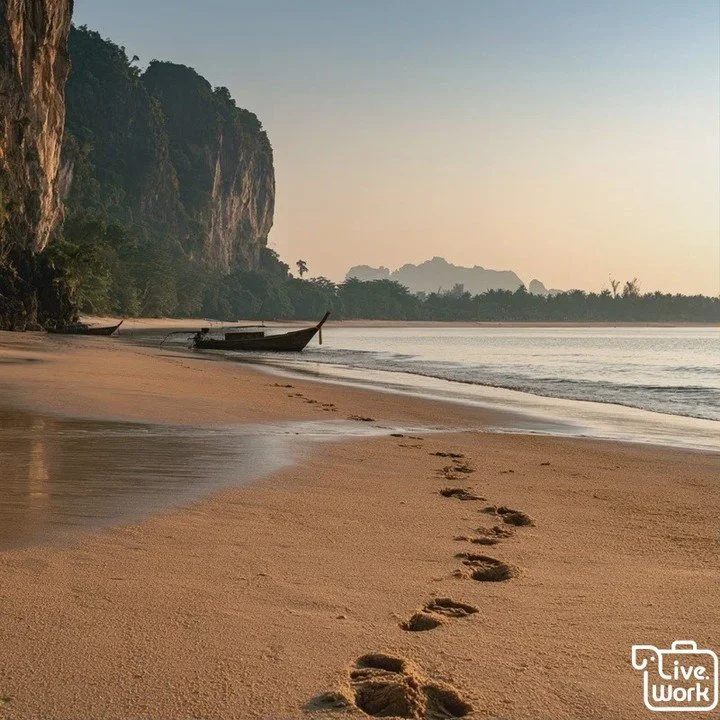
Krabi Province feels more closely defined by its landscape. Limestone cliffs rise behind beaches and roads, long-tail boats connect the mainland with otherwise isolated shores, and the pace is generally slower. Ao Nang provides the practical tourism base, while Railay, the Hong Islands, inland forests, caves, and hot springs give Krabi a strong nature-focused identity.
The simplest distinction is this: choose Phuket for variety, nightlife, resorts, and transport options; choose Krabi for dramatic scenery, a calmer rhythm, and easier access to limestone-and-island landscapes.
Phuket and Krabi at a Glance
Phuket is the stronger all-in-one destination. Different parts of the island can support completely different holidays, from the nightlife of Patong to the resort environment around Bang Tao, the family-friendly atmosphere of Kata and Karon, and the cultural streets of Phuket Old Town.
Krabi is the stronger choice when scenery is the main priority. Ao Nang is convenient without feeling like a large city, Railay places beaches beneath towering cliffs, and quieter areas such as Klong Muang and Tubkaek suit visitors who want to spend more time at their hotel or beside the sea.
| Travel Priority | Phuket | Krabi |
|---|---|---|
| Overall atmosphere | A large, developed island with busy resort districts, extensive services, and a wide variety of experiences. | A smaller-scale coastal destination shaped by limestone scenery, boat connections, and a slower pace. |
| Beaches | Offers many distinct beach areas, allowing travelers to choose between lively, family-oriented, luxurious, and quieter settings. | Offers fewer major mainland beach centres, but the surrounding cliffs and islands create more dramatic scenery. |
| Day trips | Well positioned for Phang Nga Bay, the Phi Phi Islands, nearby islands, diving trips, and private charters. | Ideal for Railay, the Hong Islands, the Four Islands route, Phi Phi trips, mangroves, caves, and inland nature. |
| Nightlife | Ranges from Patong’s late-night entertainment to polished beach clubs and resort bars. | Centred mainly on relaxed bars, casual restaurants, live music, and low-key evenings around Ao Nang. |
| Getting around | Provides more transport choices, but the island is large and journeys between beach districts can take time. | Easy when staying around Ao Nang, although Railay requires a boat and more remote areas need arranged transport. |
| Best suited to | Travelers who want convenience, choice, nightlife, major resorts, family attractions, or a varied group holiday. | Travelers who prioritize scenery, relaxed evenings, outdoor activities, and a more concentrated beach base. |
Choose Phuket for an All-in-One Island Holiday
Phuket works particularly well when different members of a group want different experiences. One person can book a diving trip, another can spend the day at a spa, and others can visit a beach club, shopping centre, market, or family attraction. The group can still meet later for dinner without facing a limited choice of restaurants.
The island’s size is central to its appeal. Phuket includes beaches such as Patong, Karon, Kata, Kamala, Nai Harn, Mai Khao, and Rawai, each with a different balance of development, atmosphere, swimming conditions, and nightlife. The southern and central west-coast beaches are generally busier, while parts of the north offer a quieter environment.
Phuket also suits travelers who prefer resort infrastructure. Accommodation ranges from budget guesthouses and apartment-style properties to international hotels, pool villas, wellness resorts, and secluded luxury retreats. Restaurant choices cover local Thai food, seafood, international cuisine, fine dining, vegetarian menus, cafés, bakeries, and familiar options for families with selective eaters.
The main trade-off is that Phuket rarely feels like a small island. Roads can be busy, development is highly visible in popular areas, and traveling from one side of the island to another may take longer than expected. Choosing the correct neighborhood is therefore more important than simply choosing Phuket.
Which Area of Phuket Should You Stay In?
Patong is the obvious choice for travelers who want nightlife, shopping, restaurants, and constant activity. Its beach is convenient, but the surrounding urban environment is busy and heavily developed. Patong suits groups of friends and first-time visitors who want everything close together, but it is less appropriate for a quiet romantic retreat.
Kata and Karon provide a more balanced beach holiday. Both areas have substantial restaurant and hotel infrastructure, but evenings are generally less intense than in central Patong. Families and couples often find these areas easier to manage because beach time, meals, and accommodation can be combined without traveling across the island.
Bang Tao and the surrounding resort zones suit travelers interested in larger resorts, beach clubs, wellness facilities, stylish restaurants, and a more polished atmosphere. The beach is long, allowing different sections to feel lively or relatively calm depending on location.
Nai Harn and Rawai appeal to longer-stay visitors and travelers seeking a more residential rhythm. Nai Harn has a popular beach, while Rawai is known more for its coastal restaurants, seafood, local boats, and access to nearby islands than for conventional swimming directly along every part of the shore.
Phuket Old Town is not a beach base, but it offers colorful historic architecture, cafés, restaurants, markets, shrines, and a more urban cultural atmosphere. Staying there can work for a short city-focused visit, although regular transport will be needed for west-coast beaches.
Choose Krabi for Limestone Scenery and a Slower Pace
Krabi’s greatest advantage is the way natural scenery remains visible during ordinary parts of the day. Limestone formations rise behind roads, beaches, and villages, making the destination feel connected to the surrounding landscape even when visitors are not on an organized tour.
Ao Nang is the main visitor base and the most practical place to stay for a first Krabi trip. It contains hotels, restaurants, tour desks, shops, bars, massage venues, and boat connections. Ao Nang is developed, but its scale is smaller and easier to understand than Phuket’s network of separate resort districts. It is also the principal departure point for nearby islands and the beaches of the Railay peninsula.
Krabi is particularly suitable for travelers who are happy with calm evenings. There are restaurants, bars, live music venues, and night markets, but entertainment is not the destination’s defining feature. Days tend to begin earlier and revolve more around boats, beaches, climbing, kayaking, swimming, hiking, and scenic meals.
The main limitation is reduced variety. Travelers who want a different large shopping complex, nightlife district, beach club, or major attraction every day may feel constrained. Krabi is most satisfying when the goal is to enjoy the landscape rather than maintain a packed entertainment schedule.
Which Area of Krabi Should You Stay In?
Ao Nang is the easiest all-round base. It provides the widest selection of restaurants, hotels, tours, and local transport, and it simplifies boat trips to Railay and nearby islands. The beachfront itself is active and useful as a departure area, although visitors should not assume it is always Krabi’s most beautiful place to swim.
Railay is the better choice for immersion in Krabi’s limestone scenery. Although connected to the mainland geographically, the peninsula is normally reached by boat because cliffs separate it from the surrounding road network. Railay West, Railay East, and Phra Nang Beach offer different settings, while the area is internationally associated with rock climbing and dramatic coastal landscapes.
Railay becomes calmer after many day visitors leave, but staying there involves practical compromises. Accommodation and dining choices are more limited than in Ao Nang, prices may be higher, and every arrival or departure involves a boat. Travelers carrying large luggage or arriving during rough weather should plan carefully.
Klong Muang and Tubkaek suit visitors who prioritize a peaceful resort stay. These areas provide quieter beaches and appealing views, but restaurants and independent services are more spread out. They work best for couples, honeymooners, and travelers comfortable spending significant time at their accommodation.
Krabi Town offers local markets, riverside areas, cafés, and better access to some inland attractions. It is less suitable for travelers whose main goal is to walk directly from their hotel to a beach.
Phuket Beaches Versus Krabi Beaches
Phuket wins on beach variety. The island has enough coastline to let travelers choose according to atmosphere, accommodation style, wave conditions, and proximity to nightlife. Changing beaches can create a completely different day without requiring an island excursion.
Krabi’s mainland beach selection is more concentrated, but its landscapes are more distinctive. Beaches around the Railay peninsula are framed by limestone cliffs, while island trips add white sand, lagoons, reefs, and unusual rock formations.
The important distinction is convenience versus drama. Phuket offers more beaches reachable by road, making it easier to change location according to weather or mood. Krabi often requires a boat to reach its most memorable shores, but the journey itself becomes part of the experience.
Neither destination guarantees clear, calm water every day. Visibility, waves, currents, floating debris, and swimming conditions change with wind, rainfall, tides, and the season. Red warning flags and instructions from local staff should always be taken seriously.
Which Base Is Better for Island Day Trips?
Phuket provides an extensive selection of speedboats, larger tour vessels, private boats, diving trips, and premium charters. Common routes include the Phi Phi Islands, Phang Nga Bay, Coral Island, Racha Islands, and other destinations around the Andaman Sea. Phuket’s location is especially convenient for exploring the limestone scenery and sea caves of Phang Nga Bay.
Krabi excels at shorter journeys into landscapes that feel immediately connected to the province. The Four Islands route, Railay, Ko Poda, Thale Waek, and the Hong Islands combine beaches, snorkeling, lagoons, and limestone formations. Ao Nang functions as the main departure point for many of these trips.
The Phi Phi Islands can be visited from either Phuket or Krabi, so they should not determine the decision alone. The quality of the day depends on the departure point, vessel, group size, weather, itinerary, and time spent at each stop. The Phi Phi archipelago sits within a protected national park landscape and includes both busy visitor areas and marine environments used for snorkeling and diving.
Phuket is usually stronger for travelers seeking maximum choice and higher-end private arrangements. Krabi is often more satisfying for visitors attracted to long-tail boats, shorter scenic routes, and trips that feel closely tied to the surrounding cliffs and islands.
Phuket Nightlife Versus Krabi Evenings
Nightlife is the clearest difference between Phuket and Krabi. Phuket offers late-night entertainment, busy bars, clubs, live music, performance venues, resort lounges, rooftop settings, and beach clubs. Patong has the island’s most concentrated nightlife, while other districts offer calmer and more polished alternatives. Phuket’s nightlife is one of the destination’s most established characteristics.
Krabi’s evenings are more restrained. Ao Nang has bars, casual nightlife, live music, restaurants, and places to have drinks after dinner, but the atmosphere normally becomes quiet earlier. Railay also has relaxed beach bars, although the selection is smaller.
Travelers who enjoy finishing dinner and deciding spontaneously between several late-night venues will generally prefer Phuket. Those who want a sunset drink, seafood meal, and an early start for a boat tour are more likely to appreciate Krabi.
Food and Dining Choices
Phuket offers greater culinary variety. International tourism, local communities, resort development, and the island’s cultural history have created an extensive food scene. Visitors can alternate between southern Thai cooking, seafood, international cuisine, local markets, beach clubs, cafés, hotel restaurants, and historic eateries in Phuket Town.
Krabi provides plenty of food for a normal holiday, especially in Ao Nang, but the selection is less extensive. Seafood, southern Thai dishes, casual international food, Indian restaurants, cafés, and street-food-style markets are widely available in the main tourism zones.
For a short trip, most travelers will find enough variety in either destination. Phuket becomes the stronger choice during a long stay, for food-focused travelers, or when a group has very different dietary preferences.
Krabi may feel more personal because visitors often return to the same small group of restaurants. This can be an advantage for travelers who prefer familiarity rather than endless choice.
Getting Around Phuket and Krabi
Phuket has more transport options, including taxis, ride-hailing services, local buses on selected routes, hotel transfers, rental cars, motorbike taxis, and private drivers. However, greater availability does not always mean shorter journeys. The island is large, and traffic can make apparently simple trips time-consuming.
Krabi is easier when the entire stay is organized around Ao Nang. Restaurants, shops, tour services, and boat departures are concentrated enough that many daily needs can be handled on foot. Songthaews, taxis, ride-hailing services, rental vehicles, and arranged transfers provide access to Krabi Town, the airport, inland attractions, and quieter beach areas.
Railay is the exception because it has no normal road connection for visitors. Boats are part of everyday transport, and sea conditions may affect transfers.
Renting a scooter is not necessary in either destination. Anyone considering one should have the correct license, valid insurance, riding experience, and a properly fitted helmet. Rain, sand, steep roads, unfamiliar traffic, and nighttime visibility can create serious risks. A car, taxi, or arranged driver is safer for travelers without strong motorcycle experience.
Which Destination Is Easier to Reach?
Both destinations have airports, allowing travelers to fly directly into the region rather than transferring overland from another southern province. Phuket’s larger tourism infrastructure generally provides a broader range of connections, while Krabi International Airport gives straightforward access to Krabi Town, Ao Nang, and surrounding coastal areas. Krabi Airport currently lists transport and rental services among its passenger facilities.
Airport location should be considered when booking accommodation. A hotel described as being in Phuket may still require a substantial road transfer, particularly if it lies far from the airport. In Krabi, reaching Railay requires a road transfer followed by a boat, adding another stage to arrival and departure.
Travelers with an early flight may prefer to spend the final night in an easily accessible area rather than depending on a long road journey or weather-sensitive boat transfer.
Which Is Better for Families, Couples, and Solo Travelers?
Families often benefit from Phuket’s broad accommodation range, medical facilities, indoor alternatives, international dining, and organized attractions. Kata, Karon, Kamala, and resort areas farther north may be more suitable than central Patong for a family beach holiday.
Krabi works well for active families who enjoy boat trips and nature, but parents should consider the practicalities of long-tail boats, wet landings, limited shade, and carrying children or luggage. Ao Nang is generally easier than Railay for families needing maximum flexibility.
Couples can enjoy either destination. Phuket suits couples who want luxury resorts, beach clubs, fine dining, spas, and varied evenings. Krabi is better for couples who imagine limestone sunsets, quiet boat trips, scenic beaches, and relaxed dinners.
Solo travelers may find Phuket easier for social variety and nightlife, while Krabi can be better for joining small-group tours and enjoying nature. The right choice depends on whether the traveler wants energy or quiet rather than whether they are traveling alone.
Weather and the Best Time to Visit
Phuket and Krabi share broadly similar Andaman coast seasons. The period from approximately November to April often brings calmer marine conditions and more dependable boat schedules, although it also includes the busiest travel months. The Phi Phi Islands are generally most comfortable during this drier period, while peak holiday dates require earlier accommodation planning.
From May into October, rain, wind, and rougher seas become more likely. This does not mean continuous rain every day, but boat routes may change, crossings can be uncomfortable, and some trips may be postponed or cancelled.
Low-season travel can provide lower accommodation rates and fewer visitors. It works best for travelers who can accept flexible plans and who choose a destination with enough land-based alternatives.
Phuket offers more rainy-day options because of its shopping, restaurants, cafés, wellness venues, Old Town, and indoor attractions. In Krabi, several days of poor marine weather may have a greater effect on a beach-and-boat-focused itinerary.
Common Mistakes When Choosing Between Phuket and Krabi
A common mistake is choosing Phuket for its convenience but booking accommodation far from the activities that matter. A lower hotel rate can lose its value when every meal, beach visit, or evening requires a long transfer.
Another mistake is choosing Krabi and expecting every famous attraction to be accessible by road. Railay and many of the province’s most memorable beaches require boat travel.
Travelers also sometimes assume that Phuket is always crowded and Krabi is always quiet. Phuket has peaceful northern beaches and secluded resorts, while Ao Nang and Railay can become busy during peak periods.
Trying to visit both in a short three- or four-night holiday can create more transport than enjoyment. Although Phuket and Krabi are relatively close within southern Thailand, checking out, transferring, and settling into another hotel uses valuable time. For a short trip, selecting one strong base is usually more satisfying.
How to Make the Final Choice
Choose Phuket when the holiday needs to work for several personalities. It is the better option for travelers who want nightlife, beach clubs, shopping, extensive dining, large resorts, family attractions, private tours, and multiple beach districts.
Choose Krabi when the landscape is the reason for traveling. It is the better option for limestone cliffs, long-tail boat journeys, kayaking, climbing, relaxed evenings, island scenery, and a slower daily rhythm.
Travelers who want convenience but dislike intense nightlife can still choose Phuket by staying outside Patong. Travelers who want Krabi’s scenery but need restaurants and transport should stay in Ao Nang rather than an isolated resort.
The decision does not have to be reduced to party versus peace. Phuket can be quiet when the correct area is chosen, and Krabi can support active days filled with tours and outdoor adventures. The key is selecting a base that naturally supports the holiday you want rather than trying to force the destination into a different personality.
Conclusion
Phuket is the stronger all-in-one base for travelers who value choice, convenience, resort facilities, nightlife, dining, and varied activities. Its size allows one island to provide busy entertainment districts, family beaches, luxury resort zones, quieter northern shores, and an urban cultural centre.
Krabi is the stronger base for travelers who want southern Thailand’s limestone scenery to shape the entire trip. Ao Nang provides practical services, Railay offers an extraordinary cliff-backed setting, and the surrounding islands support snorkeling, kayaking, climbing, swimming, and slow days on the water.
Choose Phuket for party, variety, and convenience. Choose Krabi for scenery, nature, and a calmer pace. The most successful trip begins by deciding how you want each day to feel, then booking the beach area that fits that travel personality.