Nakhon Si Thammarat: Southern Thailand’s Soulful Blend of Faith, Craft, and Coast
In Nakhon Si Thammarat, history isn’t displayed—it’s practiced. Faith shapes the skyline, craftsmanship fills market lanes, and the sea quietly completes the picture. This province moves to a thoughtful rhythm: temple bells at dawn, street food at midday, and salt-tinged breezes by sunset. If you’re looking for depth over checklists, this is one of the south’s most rewarding places to linger.
The Spiritual Anchor: Wat Phra Mahathat Woramahawihan
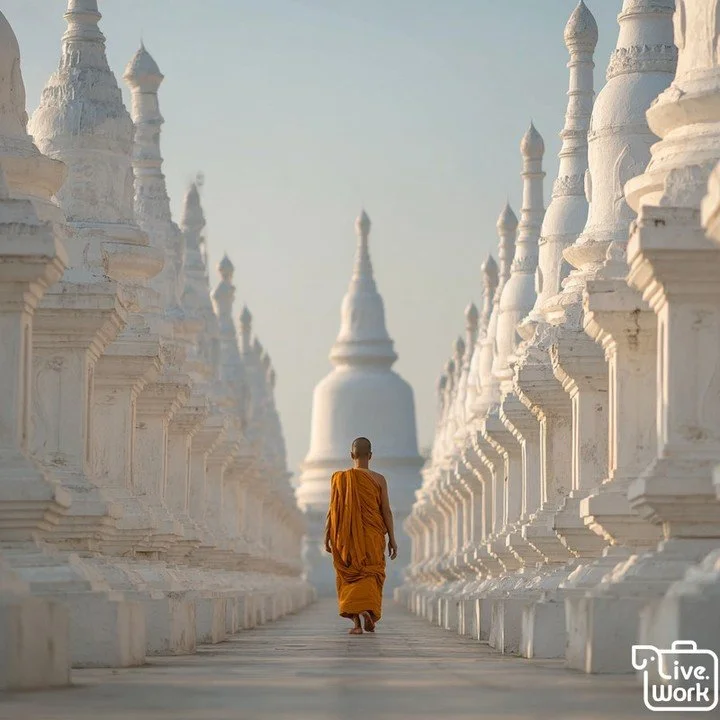
Begin at Wat Phra Mahathat Woramahawihan, where a revered white chedi rises above the city and anchors its identity. The complex is both active and contemplative—monks move through shaded corridors, devotees circle the stupa, and incense drifts lightly in the morning air.
Arrive early for the most serene experience. At sunrise, the light turns the chedi softly luminous, and the grounds feel intimate rather than busy. Walk slowly, notice the smaller stupas surrounding the main structure, and listen to the low murmur of prayers. This is not a place to rush.
Tip: Dress modestly and plan for a quiet hour here; it sets the tone for the day.
Old Neighborhoods: Markets, Handwork, and Living Traditions
Step away from the temple and into the city’s older quarters. Streets feel lived-in, not curated—houses with open doors, neighborhood shrines, and markets that serve residents first. This is where Nakhon Si Thammarat’s cultural texture reveals itself.
Look for:
Nang Talung (southern Thai shadow puppetry), with delicately cut leather figures that tell centuries-old stories
Traditional textiles and handwoven pieces reflecting regional patterns
Small workshops where tools and techniques are passed down within families
Conversations here often begin with curiosity. Craftspeople are proud of their work, and a simple question can lead to a meaningful exchange.
Midday: Southern Flavors, Bold and Honest
When the sun climbs, follow your appetite. Southern Thai cuisine is known for depth and heat—curries with layered spice, seafood prepared simply and confidently, and street snacks that punch above their weight.
Expect:
Fresh fish and shellfish, often sourced locally
Rich, aromatic curries that reflect the south’s Malay influences
Iced tea or herbal drinks that cut through the heat
Markets are the best classroom. Eat where locals eat, and let the menu guide you rather than the other way around.
Coastline Calm: Beaches Without the Buzz
Nakhon Si Thammarat’s coastline offers a different kind of escape—quiet, open, and refreshingly uncommercial. Sea breezes replace city sounds, and wide horizons invite long, unhurried walks. It’s the perfect counterpoint to temple time and market energy.
Plan for:
A late-afternoon swim or shoreline stroll
Simple beachfront seafood dinners
Watching fishing boats return as the sky warms
Golden hour here is understated and beautiful—no crowds required.
A Day in Balance: Temple, Table, and Tide
The magic of Nakhon Si Thammarat lies in balance. A single day can hold:
Sunrise at the chedi, reflective and calm
Midday in markets and street-side eateries
Sunset by the sea, wind-soft and golden
There’s no need to chase attractions. The province rewards a steady pace and open attention.
Why It Feels Different
Unlike more tour-heavy destinations, Nakhon Si Thammarat feels rooted. Faith is active, crafts are practiced, and the coast remains functional as well as beautiful. Visitors aren’t funneled through highlights; they’re welcomed into everyday life.
It’s ideal for travelers who:
Prefer heritage with context
Enjoy meeting makers and market vendors
Value atmosphere over agenda
Conclusion
Nakhon Si Thammarat is Southern Thailand at its most soulful—where a revered chedi anchors the skyline, traditional crafts fill neighborhood streets, and quiet beaches complete the day. Come for the heritage, stay for the warmth, and leave with a deeper sense of how faith, food, and the sea shape life in this remarkable province.