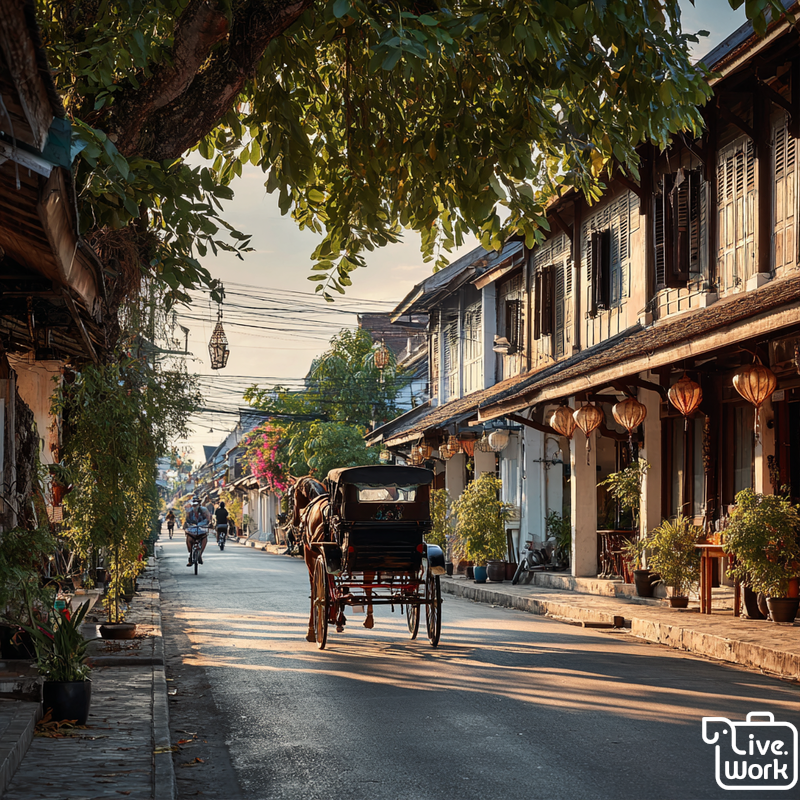
Lampang: Thailand’s Slow-Living City Where Time Feels Gently Stretched
If you’re searching for a Thai city that still moves at its own pace, Lampang is a quiet revelation. Often overshadowed by larger northern hubs, Lampang offers something increasingly rare: an urban setting that feels unhurried, human-scaled, and deeply rooted in everyday Thai life. It’s a place where slowing down isn’t an activity—it’s simply how things are done.
Rather than dazzling visitors with grand attractions, Lampang wins hearts through atmosphere, detail, and rhythm. The kind that reveals itself only if you give it time.
An Old Town Made for Wandering
Lampang’s old town is its soul. Wooden teak houses line narrow streets, vintage storefronts hint at past trading days, and the overall layout invites walking without a plan. Unlike busier heritage cities, Lampang’s historic center feels lived-in rather than staged.
As you wander, you’ll notice:
Weathered wooden facades with intricate details
Quiet residential lanes broken by small shrines and temples
Shops that feel unchanged for decades
There’s no pressure to rush or “see everything.” The joy comes from noticing how the light falls on old wood, how locals greet each other, and how calm the streets feel even in the middle of the day.
Horse Carriages: A Living Symbol of Lampang
Lampang is famously associated with its horse-drawn carriages—one of the last places in Thailand where they remain part of everyday city life. Far from a novelty, these carriages are woven naturally into the town’s identity.
A gentle ride takes you past temples, markets, and riverside corners at a pace that forces you to look rather than scroll. The sound of hooves on pavement, the slow turns, and the open view make the city feel almost cinematic.
It’s one of the most relaxed ways to understand Lampang’s layout and character—especially for first-time visitors.
Talad Gao: Where Daily Life Still Leads
A morning in Talad Gao offers a window into Lampang’s everyday rhythm. This old market area is less about souvenirs and more about routine—fresh produce, local snacks, and quiet conversations between vendors and regulars.
Here, the city feels grounded and practical:
Fruit sellers arranging produce at dawn
Small eateries serving familiar Northern Thai dishes
Streets that wake up slowly, without urgency
It’s an ideal place to start the day, not just to eat but to observe how Lampang moves when it’s being itself.
Coffee, Light, and Heritage Shophouses
Lampang’s café scene reflects the city’s personality: thoughtful, understated, and unpretentious. Many cafés are set inside restored shophouses where original wood, tiled floors, and high ceilings are preserved rather than polished away.
These spaces are perfect for:
Slow mornings with a notebook or laptop
Quiet remote-work sessions without distractions
Watching the street from a shaded window
The light in these cafés—especially in late morning or early afternoon—adds to the sense that time is generous here.
A City That Fits Modern, Slower Lifestyles
What makes Lampang especially appealing today is how well it suits people who want balance. The city is calm but functional, charming without being isolated. Reliable internet, affordable living costs, and a walkable core make it attractive to remote workers and long-stay travelers who want authenticity without chaos.
There’s enough to do, but never too much. Enough cafés, enough food options, enough social life—without the noise and pressure of trend-driven destinations.
Conclusion
Lampang isn’t a place that tries to impress you. It simply invites you to slow down, look closer, and settle into its rhythm. From teakwood streets and horse-drawn carriages to quiet markets and light-filled cafés, it offers a version of Thailand that feels timeless yet livable. Come for the nostalgia, stay for the ease—and leave with the quiet satisfaction of having discovered something genuinely special.