Krabi Island-Hopping: Choosing the Right Experience for Your Perfect Day on the Water
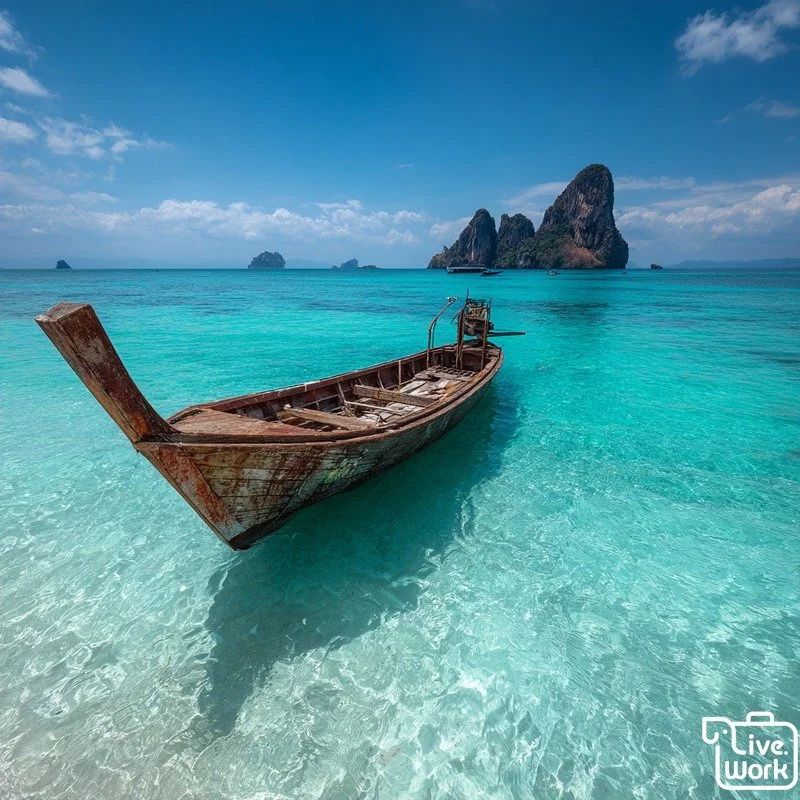
Island-hopping in Krabi is one of those experiences that looks similar on paper but feels completely different depending on where you go. The Andaman Sea offers a mix of limestone karsts, shallow turquoise bays, soft-sand beaches, and hidden lagoons—but each route emphasizes a different aspect of that landscape.
What matters most is not which tour is “best” in general, but which one aligns with how you want to spend your day. Some routes are active and varied, others are calm and scenic, and some allow you to settle into one place rather than constantly moving.
Understanding the Landscape: Why Krabi Feels So Unique
Before choosing a route, it helps to understand what defines Krabi’s coastline. The region is shaped by dramatic limestone formations that rise vertically from the sea, creating islands that feel sculptural and distinct. Between them, shallow waters shift in color depending on depth and light, often revealing sandbars that appear and disappear with the tide.
This geography means that every island group offers a slightly different experience. Some emphasize movement and variety, while others focus on stillness and atmosphere.
The 4 Islands Tour: Variety and Movement in a Single Day
The classic 4 Islands route—including Phra Nang Beach, Chicken Island, Tup Island, and Poda Island—is designed around contrast.
Here, the day unfolds as a sequence of short, distinct stops. You move quickly from one setting to another: a cave-framed beach, a sandbar connecting two islands, a snorkeling spot, and an open stretch of sand with views in every direction. The rhythm is active. Boats arrive and depart frequently, and the experience feels dynamic rather than still.
This route works especially well if you want a broad introduction to Krabi’s highlights. You’ll swim, walk across sandbars, take photos of iconic formations, and experience multiple perspectives within a single day. What you gain in variety, however, you trade for time. Each stop is relatively short, and the pace rarely slows completely.
Hong Islands: Space, Calm, and Visual Impact
If the 4 Islands tour is about movement, the Hong Islands are about stillness.
The defining feature here is the lagoon—a sheltered, enclosed space surrounded by limestone cliffs that rise almost vertically from the water. Entering this area feels like stepping into a contained world, where the water is calmer, the sound is softer, and the pace naturally slows.
Swimming here feels different. Without strong currents or constant boat movement, you can float, drift, and take in the surroundings without urgency. The scenery is often described as “postcard-perfect,” but in reality, it feels more immersive than that. The scale of the cliffs, the color of the water, and the quiet atmosphere combine into something that feels almost cinematic.
Compared to the 4 Islands route, the Hong Islands experience typically involves fewer stops but longer stays. This creates a more relaxed rhythm, where you’re not constantly packing up and moving on.
Railay: Staying in One Place, Experiencing More Depth
Then there is Railay Beach, which offers a completely different approach to island-hopping.
Rather than moving between multiple islands, Railay invites you to stay and explore. Accessible only by boat, it feels separated from the mainland, yet it functions as a self-contained destination. Limestone cliffs frame the beaches, creating a dramatic backdrop that remains constant throughout the day.
What makes Railay special is the sense of continuity. You can move between beaches on foot, take a short hike to a viewpoint, or simply stay in one place and let the day unfold. The pace is entirely your own. There are no fixed schedules, no repeated boarding and disembarking, and no pressure to keep up with a group.
This makes Railay ideal for those who prefer depth over variety—one location, experienced fully, rather than many seen briefly.
Comparing the Experiences
To bring these differences into focus, it helps to view them side by side.
| Route | Experience Style | Highlights |
|---|---|---|
| 4 Islands Tour | Active, varied, multiple short stops | Sandbars, snorkeling, iconic beaches, quick transitions between different landscapes |
| Hong Islands | Relaxed, scenic, fewer but longer stops | Lagoon swimming, dramatic limestone scenery, calmer atmosphere and water |
| Railay Beach | Stationary, flexible, self-paced exploration | Cliff-framed beaches, viewpoints, walking between bays, no fixed schedule |
Managing the Physical Side of a Boat Day
Island-hopping in Krabi is visually effortless, but physically it can be more demanding than expected. The combination of sun, saltwater, and constant movement adds up over the course of the day.
The sun in particular plays a major role. Reflected off the water, it becomes more intense than it feels on land. Treating the day as a full UV exposure is essential. Long-sleeve rash guards, water-resistant sunscreen, and consistent reapplication help prevent fatigue as much as they prevent sunburn.
Hydration also becomes critical. The breeze on a boat can mask how much you’re sweating, and by the time you feel thirsty, you’re often already dehydrated. Electrolytes can make a noticeable difference, especially on longer tours.
Motion can affect people differently. Even on calm days, the repetitive movement of a boat can lead to mild seasickness. Light meals, ginger-based snacks, and choosing a stable seating position can help reduce discomfort.
The Importance of Recovery Time
One of the most overlooked aspects of island-hopping is what happens afterward.
A full day on the water can be surprisingly draining. Planning a “no-plan” afternoon or evening after your trip allows your body to reset. Instead of scheduling additional activities, giving yourself space to rest often leads to a better overall experience. The contrast between the active day and a slow, quiet evening enhances both.
Choosing Based on Intent, Not Popularity
The most common mistake when planning a Krabi boat trip is choosing based on popularity rather than preference.
If you want variety and energy, the 4 Islands tour delivers. If you want calm water and dramatic scenery, the Hong Islands are more suitable. If you want to slow down completely and avoid constant transitions, Railay offers a different kind of satisfaction.
Each option is “right” in its own context. The key is understanding what kind of day you want before you step onto the boat.
Conclusion
Krabi’s island-hopping experiences are not interchangeable—they are distinct interpretations of the same landscape. Whether you choose the fast-paced variety of the 4 Islands, the शांत and immersive beauty of the Hong Islands, or the grounded, flexible experience of Railay, your day will be shaped by how you move through the environment. By considering your energy level, your preference for activity versus relaxation, and the physical demands of a boat day, you can choose an experience that feels aligned rather than overwhelming. In the end, the goal is not to see everything, but to experience one version of Krabi fully—and leave with a sense of having truly been there.