Koh Lipe First-Timer Guide: Turquoise Water, Beach Bases, Travel Routes, Island-Hopping, and a Simple 3-Day Plan
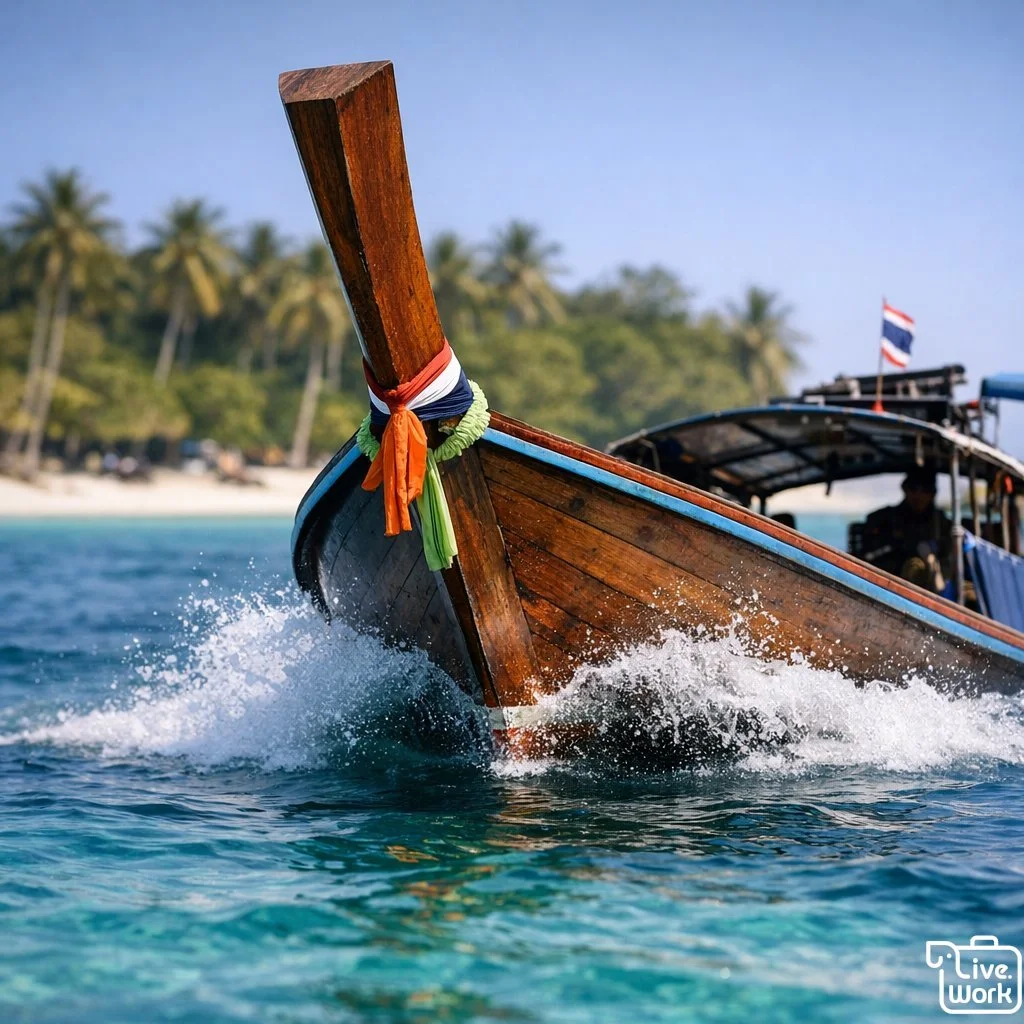
Koh Lipe is small on the map, but it has the kind of water that makes people stop mid-sentence. The island sits in Thailand’s far southern Andaman Sea, close to the Malaysian border, and it feels more remote than many of Thailand’s better-known beach destinations. The first impression is often color: layered turquoise over white sand, longtail boats floating in shallow water, and deeper blue channels leading toward nearby islands.
Koh Lipe is not a large island with endless roads, big resorts, and complicated transport once you arrive. Its charm is compact. You can walk between beaches, wander into Walking Street for food, book longtail trips to nearby snorkeling spots, and return to quiet sand within minutes. That small size is part of the appeal, but it also means the choice of where to stay matters. One part of the island can feel calm and sunrise-focused, while another feels practical, boat-connected, and lively at night.
For a first visit, the best approach is simple. Choose your base according to the rhythm you want, understand the journey before you go, plan your budget realistically, and avoid overloading the itinerary. Koh Lipe rewards slow days, early swims, longtail island-hopping, sunset pauses, and unhurried dinners more than aggressive sightseeing.
Why Koh Lipe Feels So Special
Koh Lipe’s beauty is immediate because the island’s scale is so intimate. You do not need to travel far to feel close to the sea. Beaches, restaurants, tour kiosks, bungalows, cafés, dive shops, and sandy walking paths all sit close together. The island does not ask you to commute across long distances. Instead, it invites you to move slowly between water, food, and sleep.
The strongest visual memory is usually the sea. On clear days, the water shifts through several shades of turquoise, especially near shallow sandy areas. Longtail boats create the classic island silhouette, and the surrounding Tarutao marine landscape gives the horizon a sense of depth. Nearby islands such as Koh Adang, Koh Rawi, and smaller snorkeling stops make Koh Lipe feel like a base for a wider sea world rather than just a single beach.
At the same time, Koh Lipe is not completely undeveloped or empty. It is popular, compact, and busiest in high season. Walking Street can feel lively, Pattaya Beach can have boat activity, and accommodation prices can rise sharply during peak periods. The key is to understand the island honestly. It can be peaceful and postcard-perfect, but it is not untouched. The best visit comes from choosing the right area and traveling with realistic expectations.
Getting to Koh Lipe: The Journey Is Part of the Adventure
Getting to Koh Lipe takes more planning than reaching Phuket, Krabi, or Koh Samui, and that is part of why the island still feels like a proper escape. Most travelers coming from Bangkok or elsewhere in Thailand fly to Hat Yai first. From Hat Yai, the usual route continues by minivan or private transfer to Pak Bara Pier, followed by a speedboat to Koh Lipe.
This journey has three parts: flight, road, and sea. The flight gets you to southern Thailand, the minivan brings you to the coast, and the speedboat carries you into the island world. The road transfer from Hat Yai to Pak Bara usually takes around two hours depending on traffic and timing, while the speedboat from Pak Bara to Koh Lipe is commonly around 1.5 to 2 hours depending on operator, sea conditions, and stops.
Because the final section is by boat, timing matters. You should avoid booking flights that connect too tightly with the last boat of the day. If your flight is delayed or your luggage is slow, missing the boat can mean an unexpected overnight stay on the mainland. For a smoother trip, choose a morning arrival in Hat Yai or stay overnight before continuing.
In high season, Koh Lipe can also connect with other Andaman destinations such as Phuket, Koh Lanta, and sometimes Langkawi in Malaysia. These routes are especially useful if you are combining islands or planning a Thailand–Malaysia itinerary. However, sea routes and schedules depend strongly on season and operator, so it is important to check current timetables before building your whole itinerary around them.
The journey is easier when you treat it as part of the trip rather than an inconvenience. Bring water, snacks, sun protection, a light layer for vans or boats, motion-sickness support if needed, and a dry bag for valuables. By the time the boat approaches Koh Lipe and the water turns bright, the travel effort usually starts to feel worth it.
Where to Stay: Calm Nights or Convenience
Koh Lipe is small, but staying in the right area changes the feeling of the whole trip. The two main questions are simple: do you want calm nights and soft mornings, or do you want convenience, quick restaurant access, and easier boat logistics?
Sunrise Beach is often the best choice for travelers who want a gentler routine. As the name suggests, mornings are the highlight. The light arrives softly over the water, the sea can feel calm and clear, and the mood is peaceful before the island becomes busier. Staying here works well for couples, slow travelers, snorkelers, and anyone who likes starting the day with coffee, quiet water, and a swim before breakfast.
The quieter ends of the island are also good for travelers who want fewer evening distractions. These areas may require a little more walking, but they reward you with a calmer atmosphere. If your ideal Koh Lipe trip involves reading on a balcony, sleeping early, swimming at sunrise, and avoiding late-night buzz, this is the better direction.
Pattaya Beach and the area near Walking Street are more convenient. This is where many boats arrive, and it gives quick access to restaurants, tour kiosks, shops, beach bars, and practical services. If you want everything nearby and do not mind more evening activity, this area makes life easy. It is especially useful for short stays because you spend less time figuring out logistics.
The trade-off is noise and movement. Pattaya Beach and Walking Street can feel busier at night, especially in high season. For travelers who want calm evenings, this may not be ideal. For travelers who want convenience and restaurant choice, it may be exactly right.
Koh Lipe Stay-Area Comparison
| Area | Atmosphere | Best For |
|---|---|---|
| Sunrise Beach | Peaceful, bright, and morning-focused, with soft light, calm sea views, and a more relaxed start to the day. | Travelers who want quiet mornings, easy swims, gentle beach time, and a calmer stay away from the busiest evening areas. |
| Quieter Island Ends | More secluded, slower, and less nightlife-oriented, with a stronger sense of retreat and fewer evening distractions. | Couples, slow travelers, readers, long-stay guests, and anyone who prefers sleep, silence, and sea views over convenience. |
| Walking Street Area | Practical, central, and lively, with restaurants, shops, tour kiosks, cafés, and services within easy walking distance. | First-time visitors, short-stay travelers, food-focused guests, and anyone who wants quick access to island logistics. |
| Pattaya Beach | Convenient, arrival-focused, and busier, with boat access, accommodation choice, restaurants, and more evening movement. | Travelers who want to be close to boats, transfers, tour departures, and the easiest connection between beach and town life. |
Budgeting for Koh Lipe
Koh Lipe can feel more expensive than some other Thai islands because of its location, seasonality, and transport costs. Almost everything has to arrive by boat, and accommodation demand rises strongly in peak season. That does not mean Koh Lipe has to be a luxury trip, but it does mean you should budget honestly.
For midrange comfort, a rough daily budget of 1,500 to 3,500 THB per person can work outside the most expensive peak periods, depending on your room style, meals, drinks, activities, and how many boat trips you take. This range gives you more comfort: a decent bungalow or guesthouse, meals in casual restaurants, coffee stops, some snacks, and room for a shared longtail tour or snorkeling activity.
Budget travelers can often manage around 900 to 1,500 THB per day by choosing simple accommodation, eating local food, limiting paid tours, and avoiding peak holiday dates. This style works best if you are flexible, do not need beachfront comfort, and are happy with basic rooms.
Peak season changes everything. Accommodation can become significantly more expensive, popular rooms sell out early, and transport may be busier. If you are traveling around Christmas, New Year, major holidays, or the driest months, book earlier and expect higher costs.
Koh Lipe Budget Comparison
| Travel Style | Daily Budget Range | What It Usually Feels Like |
|---|---|---|
| Budget Traveler | 900–1,500 THB per day | Simple bungalows or guesthouses, local meals, limited drinks, careful transport planning, and selective paid activities. |
| Midrange Comfort | 1,500–3,500 THB per day | More comfortable rooms, casual restaurants, coffee stops, beach time, and room for shared longtail trips or snorkeling tours. |
| Peak-Season Comfort | Higher than normal midrange costs | Better accommodation and beachfront locations may cost noticeably more, so booking early becomes important. |
| Higher-End Stay | Flexible and often significantly higher | Beachfront resorts, private transfers, better rooms, more dining variety, private longtail trips, and a softer logistical experience. |
Day 1: Arrival, Sunset Swim, and an Easy Dinner
The first day should be gentle because getting to Koh Lipe already takes effort. After flying, transferring, waiting at the pier, riding the speedboat, and arriving on the sand, you do not need to force a packed schedule. Check in, settle your bags, drink water, and let the island come to you slowly.
A sunset swim is the perfect first activity. It gives you immediate contact with the water without requiring planning. The sea is the reason you came, so let it be the first reward. Depending on where you stay, you can swim near your accommodation or walk to a calmer beach section before evening. Keep it light: a short swim, a quiet sit on the sand, and time to watch the sky change.
Dinner should also be easy. Walking Street is practical for the first night because it gives you many options in one place. You can eat Thai food, seafood, noodles, curries, pancakes, fruit shakes, or simple international comfort food if travel has left you tired. Do not overthink the first meal. Choose somewhere relaxed, eat slowly, and get an early night so the next day feels fresh.
Day 2: Longtail Island-Hopping, Snorkeling, Sandbars, and a Picnic Mood
Day 2 is the main sea day. This is when Koh Lipe becomes more than a beach base and turns into a gateway to the surrounding islands. A longtail island-hopping trip is one of the best ways to experience the wider marine landscape: snorkeling stops, sandbars, coral areas, clear water, rocky outcrops, and picnic-style pauses.
Longtail tours vary, but the rhythm is usually simple and satisfying. You leave in the morning, move between nearby islands and reefs, snorkel in selected spots, stop for lunch or a picnic-style break, then return in the afternoon. Some trips focus more on snorkeling, while others include beaches, viewpoints, or scenic stops. Choose based on your comfort in the water and how much activity you want.
For snorkeling, keep expectations realistic. Some days are crystal clear; others are affected by wind, tide, rain, or boat traffic. You will likely see reef fish and coral areas, but the best experience comes from moving gently and respecting the underwater environment. Never touch coral, never stand on reef, never feed fish, and keep your fins up when you are close to shallow coral.
A dry bag is essential for this day. Boat spray, wet landings, and sandy beach stops can easily reach your phone, wallet, and camera. Bring a towel, sun shirt, water, reef-conscious sunscreen if needed, and small cash. If you are prone to seasickness, prepare before the boat leaves rather than after the water becomes choppy.
The longtail day should feel spacious, not frantic. The best moments may be simple: floating over coral, eating lunch with your feet in the sand, watching a longtail sit against turquoise water, or returning to Koh Lipe tired and salty in the late afternoon.
Day 3: Sunrise Coffee, Beach Time, and a Smooth Departure
The final morning should begin early if your travel schedule allows. Koh Lipe is especially beautiful before the day becomes busy. A sunrise coffee on Sunrise Beach is one of the calmest ways to end the trip. The light arrives gently, boats sit quietly offshore, and the sea often looks softer than it does at midday.
After coffee, take one last swim or beach walk. Keep the morning simple because departure logistics can take more energy than expected. Boats, check-in, luggage handling, transfers, and weather all matter. It is usually better to leave the island before the afternoon sea becomes choppier, especially if you are connecting to Hat Yai, Langkawi, or another island route.
Do not plan a major activity on departure day. Koh Lipe’s final gift is a slow goodbye: one more look at the water, one more walk on white sand, one more iced coffee, then the boat back toward the mainland or your next destination.
A Simple 3-Day Koh Lipe Plan
| Day | Atmosphere | Best Focus |
|---|---|---|
| Day 1: Arrival and Sunset Swim | Soft, transitional, and relaxed after the flight, road transfer, pier check-in, and speedboat journey. | Check in, hydrate, take a sunset swim, walk the beach, and keep dinner easy around Walking Street or your nearest beach area. |
| Day 2: Longtail Island-Hopping | Bright, sea-focused, and adventurous, with turquoise water, snorkeling stops, sandbars, and picnic-style island pauses. | Book a longtail tour, snorkel respectfully, protect valuables in a dry bag, avoid touching coral, and let the day revolve around the water. |
| Day 3: Sunrise Coffee and Departure | Quiet, reflective, and calm, especially if you start early before the island becomes active. | Enjoy coffee near Sunrise Beach, take one final swim or walk, then travel out before afternoon sea conditions become less comfortable. |
What to Pack for Koh Lipe
Koh Lipe packing should be light but practical. The island is sandy, sunny, boat-connected, and water-focused, so you want items that protect you from sun, salt, spray, and heat without weighing you down.
| Item | Why It Helps | Best Use on Koh Lipe |
|---|---|---|
| Dry Bag | Protects your phone, passport, wallet, camera, and dry clothes from boat spray, wet landings, rain, and sand. | Use it during speedboat transfers, longtail island-hopping, snorkeling trips, and beach days. |
| Rash Guard or Sun Shirt | Reduces sun exposure and lowers the amount of sunscreen needed in the water. | Wear it for snorkeling, longtail trips, swimming, and any long midday beach session. |
| Reef-Conscious Sunscreen | Helps protect your skin while reducing unnecessary impact on marine environments. | Use only what you need, apply before swimming, and rely on clothing coverage whenever possible. |
| Light Sandals or Water Shoes | Useful for hot sand, boat landings, rocky sections, and short walks between beaches. | Use them when boarding longtails, walking to viewpoints, or moving between beach and accommodation. |
| Reusable Water Bottle | Island heat, saltwater, and boat days can dehydrate you quickly. | Refill when possible and carry water during beach walks, boat trips, and transfer days. |
| Small Cash | Useful for snacks, tips, small shops, longtail arrangements, and simple local purchases. | Keep it separate from your main wallet and protected from water in your dry bag. |
| Motion-Sickness Support | Speedboat routes can feel bumpy when wind or afternoon chop builds. | Prepare before boat transfers if you are sensitive, especially on arrival and departure days. |
Choosing the Best Season and Setting Expectations
Koh Lipe is most popular in the drier high-season months, when seas are generally more suitable for boat connections and island-hopping. This is also when prices and demand are highest. If you want the easiest logistics and the best chance of classic turquoise-water conditions, high season is usually the safest choice.
The wetter months can bring more rain, rougher water, reduced boat options, and quieter island conditions. Some travelers enjoy the calmer atmosphere, but it requires more flexibility. If you are building an itinerary around ferries from other islands or Langkawi, season matters even more because not every route operates year-round.
Even in good season, the sea is still the sea. Speedboats can be bumpy, visibility can vary, and afternoon water can become choppier. Planning a morning departure, packing motion-sickness support, and avoiding tight onward connections makes the experience smoother.
Why Koh Lipe Works Best When You Do Less
Koh Lipe is small enough that it can make travelers feel they should do everything quickly: every beach, every sunset, every snorkel trip, every restaurant, every viewpoint. But the island is best when you leave space. A slow swim can be more memorable than another rushed stop. A long coffee on Sunrise Beach can be better than a busy morning of errands. A single good longtail day can be more rewarding than stacking multiple tours together.
The island’s beauty is not hidden behind complicated logistics once you arrive. It is right there in front of you: water, sand, boats, food, sunrise, sunset, and small walking paths. The best plan is one that gives you enough structure to avoid stress and enough openness to enjoy the island’s natural rhythm.
Conclusion
Koh Lipe is one of Thailand’s most visually striking small islands, with white sand, unreal turquoise water, and a compact layout that makes it easy to settle into island life quickly. Getting there takes effort, usually through Hat Yai, Pak Bara Pier, and a speedboat, but that journey helps make arrival feel special. Sunrise Beach and the quieter island ends suit travelers looking for calm nights and peaceful mornings, while Walking Street and Pattaya Beach offer the easiest access to boats, restaurants, and tour kiosks. With a realistic budget, a simple 3-day plan, and one good longtail island-hopping day, Koh Lipe becomes exactly what it should be: a bright, slow, sea-focused escape that feels far away without needing to be complicated.