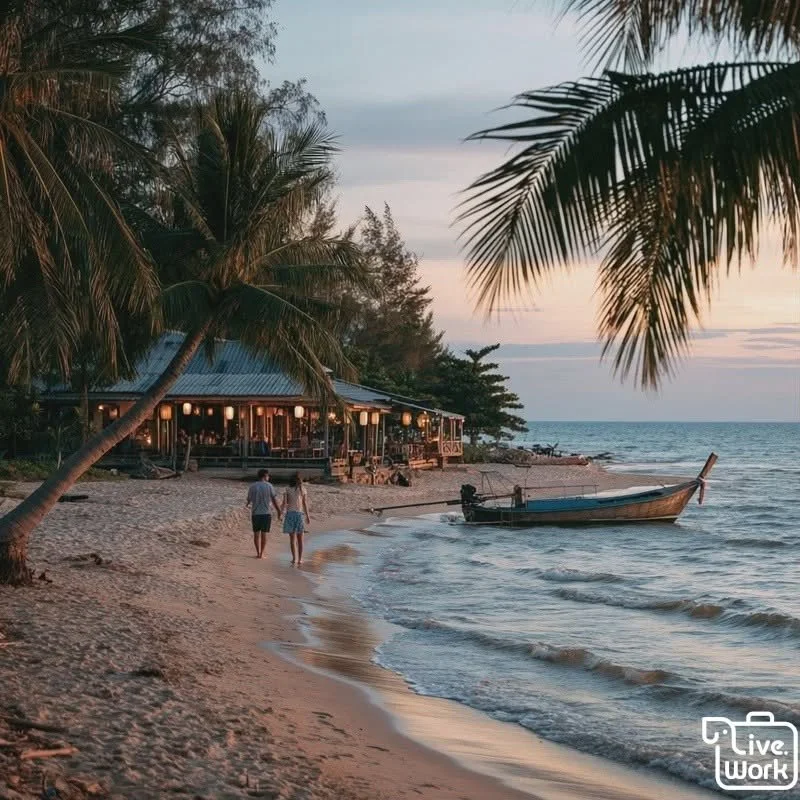
Koh Lanta Slow Travel Guide: Wide Beaches, Quiet Sunsets, Local Food, and the Art of Doing Less
Koh Lanta is the kind of island that becomes better the longer you stay. Some places impress immediately with noise, spectacle, nightlife, or dramatic arrival scenes. Koh Lanta works differently. Its beauty is quieter. It shows itself in wide beaches with room to walk, slow sunsets that seem to last longer than expected, family-run restaurants where dinner feels unhurried, and daily routines that gradually replace the need for a sightseeing checklist.
This is not an island that demands constant activity. It rewards repetition. Morning beach, late breakfast, a scooter or tuk-tuk ride, seafood lunch, afternoon nap, sunset walk, simple dinner. After a few days, that routine stops feeling lazy and starts feeling like the whole point. A full week on Koh Lanta can feel like a real reset because the island gives you permission to move at a human pace again.
For travelers who want Thailand without pressure, Koh Lanta is one of the best choices in the Andaman Sea. It has beaches, day trips, national park scenery, old-town culture, snorkeling routes, and plenty of places to eat, but it does not require you to treat every day like a mission. Koh Lanta is not about doing more. It is about enjoying more of what you are already doing.
Why Koh Lanta Feels So Relaxed
Koh Lanta’s rhythm comes partly from its shape and scale. The island is long, spread out, and spacious compared with more compact beach destinations. Instead of one dense center where everything happens at once, the west coast unfolds gradually through beaches, small villages, roadside eateries, bungalows, beach bars, family resorts, and quieter stretches of sand. This gives the island a sense of breathing room.
You can feel that difference immediately on the beaches. Many of Koh Lanta’s beaches are wide enough for walking, quiet enough for reading, and open enough that sunset becomes a daily event rather than a special excursion. Even in popular areas, the atmosphere rarely feels as intense as Thailand’s more crowded island hubs. There may be bars, restaurants, music, and travelers, but the energy usually remains soft.
That softness is what makes Koh Lanta ideal for a longer stay. On a short two-night visit, you may enjoy the beach and a dinner or two. But over a full week, the island begins to work on you. You stop checking the time so often. You stop feeling guilty for returning to the same café. You begin to measure the day by tide, heat, sunset, appetite, and sleep.
Mornings on Long Beach
Long Beach, also known as Phra Ae Beach, is one of the easiest places to start a Koh Lanta day. It has the kind of scale that makes walking feel natural. Instead of sitting down immediately, you can begin with movement: bare feet on sand, soft morning air, the sea still relatively calm, and enough length to let your thoughts settle before breakfast.
The morning mood here is very different from sunset. Early in the day, the beach feels cleaner, quieter, and more open. Resorts and restaurants are waking up slowly. A few people may jog, swim, or walk dogs. The water reflects the pale sky, and the heat has not yet taken over. This is the best time to enjoy Long Beach without any agenda.
Long Beach is also practical. It gives you easy access to cafés, restaurants, small shops, and accommodation without losing the feeling of space. For first-time visitors, it is a strong base because it balances convenience with calm. You can stay near enough to food and services while still feeling like your main activity is simply being by the sea.
A good Long Beach morning should not be rushed. Swim if the water feels good. Walk if the tide allows. Sit with coffee if you find a place open early. Then let the rest of the day grow from there.
Klong Khong and the Art of the Slow Beach Day
Klong Khong has a different personality from Long Beach. It often feels more relaxed, casual, and slightly bohemian, with a beach-bar rhythm that suits travelers who want simple days and easy evenings. Depending on the tide, swimming conditions can vary, but the atmosphere is one of the main reasons people enjoy staying here.
This is a beach for people who do not need everything polished. It works well if you like local restaurants, casual beach bars, sunset drinks, hammocks, relaxed accommodation, and a social but unforced mood. Mornings can be wonderfully slow, especially if you are staying nearby and do not need to travel anywhere.
Klong Khong is a reminder that Koh Lanta’s appeal is not only about perfect swimming beaches. It is about the feeling of being allowed to settle. You might spend the morning reading, walk for lunch, return for shade, then come back out when the light becomes golden. Nothing dramatic happens, and that is exactly why the day works.
Family-Run Eateries and Local Food
One of Koh Lanta’s great pleasures is eating simply and well. Family-run restaurants, roadside kitchens, seafood spots, and small beach eateries are central to the island’s charm. You do not need to chase luxury dining to eat memorably here. In many cases, the best meals are the least complicated: grilled fish, prawns with garlic, squid, crab curry, fried rice, tom yum, morning glory, fresh fruit shakes, and a table close enough to the sea to hear the water.
What makes these meals special is not only the food. It is the feeling around them. The service may be informal, the chairs may be plastic, the menu may be handwritten or laminated, and the pace may be slower than in a city restaurant. But that warmth suits the island. A smile from the owner, a child doing homework nearby, a cat under the table, or a sunset arriving just as the food comes out can become part of the memory.
Koh Lanta is a good place to return to the same restaurant more than once. On a fast trip, people often feel they must try somewhere new every meal. On Lanta, repetition can be part of the pleasure. By the second or third visit, you may be recognized, greeted more warmly, or asked whether you want the same dish again. That sense of familiarity is one of the quiet rewards of staying longer.
Choosing One or Two Day Trips Instead of Overloading the Week
Koh Lanta has enough activities to fill every day, but that does not mean you should. The island works best when you choose one or two simple day trips and leave the rest of the week open. Too many tours can turn a slow island into a schedule, and the whole point of Koh Lanta is to avoid that.
Lanta Old Town is one of the best low-stress day trips because it offers a different view of the island. Located on the east coast, it feels less beach-resort focused and more connected to local history, fishing life, stilt houses, small shops, and sea-facing restaurants. A visit here adds cultural texture to the trip. You can walk the quiet street, look at wooden houses, sit by the water, and have lunch with a view across the bay.
A snorkeling or island-hopping trip is the more sea-focused option. Routes vary by season and operator, but Koh Lanta is often used as a base for trips toward nearby islands and marine areas. These tours can bring brighter water, coral, fish, beaches, and boat time into the week. The key is to choose a tour that matches your energy. A full-day speedboat trip may be exciting, but it can also be tiring. A slower longtail trip may feel more atmospheric. Ask about travel time, sea conditions, group size, lunch, snorkeling stops, and what happens if the weather changes.
Mu Ko Lanta National Park is another simple option, especially if you want nature without committing to a long expedition. The park area at the southern end of the island gives you viewpoints, coastal scenery, forest, monkeys, and a stronger sense of the island’s natural edge. It is a good half-day stop if you combine it with a slow ride down the west coast and a beach or lunch stop on the way back.
The best day trips on Koh Lanta are not the ones that pack in the most stops. They are the ones that add one new layer to an otherwise restful week.
A Simple Koh Lanta Week Flow
| Part of the Stay | Atmosphere | Best Focus |
|---|---|---|
| First Day Arrival | Soft, transitional, and relaxed, with the journey ending and the island rhythm beginning slowly. | Check in, walk the nearest beach, have an easy seafood dinner, and avoid planning anything demanding after travel. |
| Beach Mornings | Calm, spacious, and restorative, especially on Long Beach or Klong Khong before the heat and activity build. | Start with a swim, long walk, coffee, or quiet breakfast, letting the day begin without a strict schedule. |
| Local Food Days | Warm, informal, and personal, with family-run eateries, fresh seafood, and meals that feel part of the island routine. | Choose small restaurants, return to places you like, and let lunch or dinner become a slow part of the day rather than a quick stop. |
| One Culture Trip | Quiet, local, and historical, with wooden houses, sea views, small shops, and a different side of the island. | Visit Lanta Old Town for a slower east-coast experience, lunch by the water, and a break from the beach routine. |
| One Nature or Boat Trip | More active but still manageable, with snorkeling, viewpoints, national park scenery, or nearby islands. | Choose either a snorkeling tour or Mu Ko Lanta National Park, keeping the rest of the day light so the week stays restful. |
| Sunset Evenings | Golden, quiet, and repetitive in the best way, with the west coast turning into the island’s daily gathering point. | Return to the beach before sunset, walk slowly, choose dinner nearby, and let the evening close without rushing elsewhere. |
Getting Around Without Stress
Koh Lanta is generally easier and calmer to move around than many busier Thai islands, but transport choices still matter. The island is long, and distances can feel larger than expected if you are moving between beaches, Old Town, the national park, and restaurants.
Scooters are a common way for adult travelers to get around, but they should only be rented by people who are properly licensed, confident, and comfortable with Thai road conditions. Even on a relaxed island, roads can include hills, curves, sand, rain, dogs, uneven surfaces, and low light after sunset. A helmet is essential, and slow riding is always smarter than trying to copy locals who know the roads well.
For travelers who do not want to ride, Koh Lanta still works. Tuk-tuks, songthaews, hotel-arranged transfers, and pre-arranged taxis can cover most needs. This may cost more than renting a scooter, but it keeps the trip relaxed if riding would make you nervous. For a slow-travel island, peace of mind is worth paying for.
A good strategy is to choose accommodation in the area where you expect to spend most evenings. If you want to walk to dinner and sunset, stay near the beach that fits your mood. Then use transport only for occasional day trips rather than relying on it constantly.
Where to Stay: Bungalow, Boutique Hotel, or Beach Base
Accommodation shapes the whole Koh Lanta experience. A beachside bungalow gives the most classic slow-island feeling. You wake close to the sand, hear the sea, walk barefoot to breakfast, and return easily for afternoon rests. It does not need to be luxurious to feel special. The appeal is proximity to the rhythm of the beach.
A small boutique hotel can be a better choice if you want more comfort, better design, a pool, stronger air-conditioning, or a quieter room setup. This works well for couples, remote workers, older travelers, or anyone who enjoys the island mood but still wants a more polished base.
Budget guesthouses and simple bungalows can also be rewarding, especially if you plan to spend most of your time outside. Koh Lanta does not require a high-end resort to feel beautiful. In many cases, a modest room near the beach and a good local restaurant nearby are enough.
The best choice depends on what kind of routine you want. If you imagine waking up and walking directly to the sea, prioritize beach access. If you imagine working a little, sleeping well, and having a calm pool break, choose a small hotel with better facilities. If you imagine spending as little as possible and using the island as your living room, a simple bungalow may be perfect.
Koh Lanta Stay Style Comparison
| Stay Style | Atmosphere | Best For |
|---|---|---|
| Beachside Bungalow | Simple, relaxed, and close to the sand, with the sea becoming part of your daily routine. | Travelers who want barefoot mornings, sunset walks, easy beach access, and a classic slow-island feeling. |
| Small Boutique Hotel | Comfortable, calm, and more polished, often with better rooms, design details, pools, and quieter spaces. | Couples, remote workers, comfort-focused travelers, and visitors staying a full week who want a restful base. |
| Simple Guesthouse | Practical, budget-friendly, and informal, with fewer extras but enough comfort for travelers who spend most time outside. | Budget travelers, solo visitors, long-stay guests, and anyone who prefers spending money on food, tours, and beach days. |
| Family-Run Resort | Warm, personal, and easygoing, with a local hospitality feeling and a slower, more familiar rhythm. | Families, repeat visitors, and travelers who like smaller places where staff remember faces and routines. |
The Ideal Daily Routine: Beach, Lunch, Nap, Sunset, Dinner
The best Koh Lanta routine is almost too simple. Wake up slowly. Go to the beach before the heat rises. Swim or walk. Eat lunch somewhere local. Rest in the afternoon. Return to the beach for sunset. Eat dinner without rushing. Sleep well. Repeat.
This repetition is not boring because the island changes subtly each day. The tide is different. The sunset color changes. A restaurant you passed yesterday looks inviting today. The sea may be calmer in the morning or more dramatic at dusk. A road you already traveled reveals a new café, a fruit stand, or a viewpoint you did not notice before.
A nap is not wasted time on Koh Lanta. It is part of the climate rhythm. The afternoon heat can be heavy, and forcing yourself through it often reduces enjoyment. Resting in the shade, reading, swimming briefly, or returning to your room for an hour can make the evening much better.
This is how Koh Lanta teaches slow travel. It does not remove activities. It changes your relationship to them.
Responsible Island Travel
A quiet island stays beautiful only when visitors treat it with care. Koh Lanta’s beaches, reefs, roads, villages, and national park areas all depend on small everyday choices. Carry out trash, avoid unnecessary single-use plastics, respect local communities, and do not treat beaches as disposable picnic spaces.
On snorkeling trips, never touch coral, never feed fish, and keep fins away from reef areas. On beaches, dispose of bottles, wrappers, cigarette ends, and food packaging properly. In local restaurants, be patient when service is slow and remember that small family businesses are part of what makes the island special.
When visiting Mu Ko Lanta National Park, stay on marked paths, do not feed monkeys or wildlife, and keep distance from animals. Wildlife that becomes used to human food can become aggressive or dependent, and that harms both animals and visitors.
Slow travel should also be respectful travel. The goal is not only to enjoy Koh Lanta, but to leave it calm and welcoming for the next person.
Why a Full Week Feels Different from a Short Stay
A short stay on Koh Lanta gives you a taste. A full week gives you the rhythm. This is an island where the third or fourth day may be better than the first because you stop feeling the need to optimize everything. You know where you like breakfast. You know which beach feels best in the morning. You know which road leads to the small restaurant you want to revisit. You know how long before sunset you should leave your room.
That familiarity is valuable. It turns travel into temporary belonging. Koh Lanta is not trying to overwhelm you with novelty every hour. It gives you space to settle into a routine that feels better than constant movement.
A week also lets you handle weather without stress. If one day is cloudy, you read or eat slowly. If the sea is rough, you skip the boat trip. If you feel tired, you rest. There is no pressure to make every moment perfect because you have time.
That is the real luxury of Koh Lanta.
Conclusion
Koh Lanta is one of Thailand’s best islands for travelers who want to slow down properly. Its wide beaches, calm sunsets, family-run eateries, gentle routines, and simple day trips create the kind of rhythm that makes a full week feel restorative rather than repetitive. Spend mornings on Long Beach or Klong Khong, eat fresh seafood at local restaurants, choose one or two easy excursions such as Lanta Old Town, a snorkeling trip, or Mu Ko Lanta National Park, and use transport that keeps the trip low-stress. Whether you stay in a beachside bungalow, small boutique hotel, simple guesthouse, or family-run resort, the island works best when you stop trying to do everything. Koh Lanta is not about doing more. It is about enjoying more deeply what you are already doing.