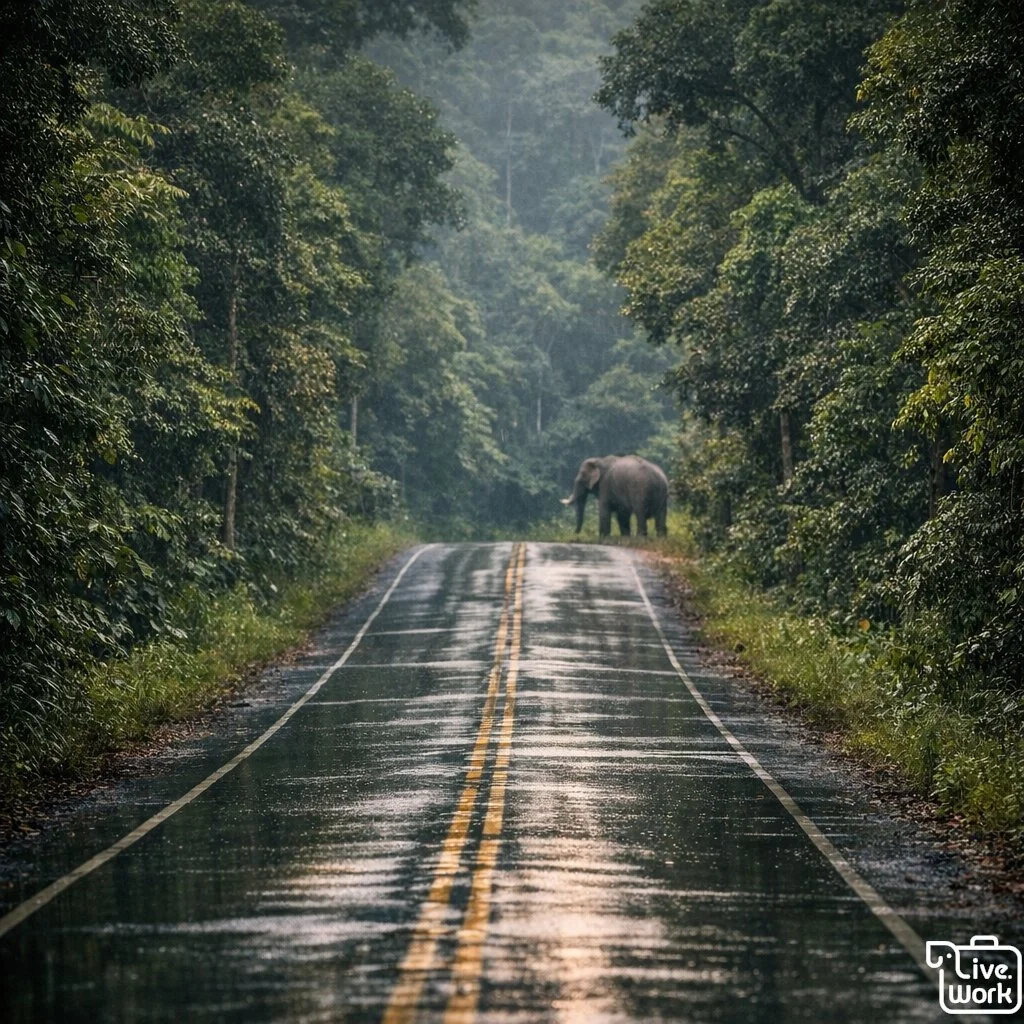
Khao Yai Weekend Reset: Waterfalls, Jungle Trails, Wildlife Etiquette, Farm Cafés, and Golden-Hour Vineyards
Khao Yai is one of the easiest places in Thailand to feel like you have properly left the city behind. After the drive from Bangkok, the air begins to change, the roads become greener, and the landscape opens into forested hills, farms, vineyards, and national park scenery. It is close enough for a weekend, but different enough to feel like a real reset.
The best way to experience Khao Yai is not to rush from one attraction to another. The area works beautifully when you give the day a natural rhythm: an early start for waterfalls and forest light, a slow café break with mountain views, a flexible afternoon that respects the weather, and a golden-hour finish at a vineyard or countryside restaurant. Khao Yai rewards people who plan just enough, but leave space for the forest, weather, and light to shape the day.
Why Khao Yai Feels Like a Proper Weekend Reset
Khao Yai’s appeal lies in contrast. Bangkok is dense, fast, hot, and full of hard surfaces. Khao Yai feels wider, softer, and more breathable. The roads run past farms, forest edges, cafés, resorts, and hills that change color throughout the day. Even before entering the national park, the region already feels calmer.
Inside the park, the atmosphere becomes more immersive. Jungle roads curve through dense greenery, trails disappear into shaded forest, and waterfalls offer that satisfying sense of reward after time on the road. Outside the park, the mood shifts again into farm cafés, vineyard views, and countryside dining. This combination is what makes Khao Yai so effective for a short break. You get nature, comfort, food, and scenery without needing a complicated itinerary.
Start Early for Waterfalls and Forest Light
The strongest Khao Yai days begin early. Morning light in the park is softer, temperatures are more comfortable, and the forest feels more alive. If waterfalls are your priority, starting with Haew Suwat or Haew Narok gives the day an immediate sense of arrival.
Haew Suwat has a cinematic quality because of its broad cascade, rocky surroundings, and forest setting. It is the kind of waterfall that feels rewarding without requiring an overly demanding trek. Arriving early helps you experience it before the busiest part of the day, when the sound of the water is easier to appreciate and the viewing areas feel calmer.
Haew Narok has a more dramatic and powerful character. It feels wilder, heavier, and more intense, especially after rain. The walk to the viewpoint adds anticipation, and the sound of the waterfall grows as you approach. It is a stronger nature experience, but it also requires more attention to footing, humidity, and weather conditions.
Whichever waterfall you choose, the morning is the best time to go. The light is better for photos, the air feels fresher, and the day still has enough flexibility if rain or fog changes your plans.
The Weather Can Change Fast
Khao Yai’s weather is part of its personality. Sunshine can turn into a downpour quickly, especially in greener seasons. A road that feels dry and bright one moment can become wet and misty the next. This is not a reason to avoid the park; it is simply a reason to prepare properly.
A light rain jacket or poncho should be part of your day bag, even if the sky looks clear when you leave. A dry bag or waterproof pouch protects your phone, wallet, and documents from sudden rain, waterfall spray, and damp trails. Quick-dry shoes make a major difference because wet feet can turn a pleasant walk into an uncomfortable afternoon.
The key is to treat weather changes as normal. Rain can make the waterfalls stronger, the forest greener, and the air cooler. With the right gear, a shower becomes part of the atmosphere rather than a problem.
Farm Cafés: The Slow Middle of the Day
After a morning in the park, Khao Yai’s farm cafés provide the perfect reset. This is where the trip shifts from active nature to countryside comfort. A good café stop is not just about coffee; it is about slowing the body down after walking, driving, humidity, and early-morning movement.
Many cafés around Khao Yai lean into the landscape. You might sit facing hills, flower fields, farm rows, or open lawns. Homemade bakes, iced coffee, fruit drinks, and simple lunches feel especially satisfying after time in the forest. The atmosphere is casual but restorative, and it gives the day a natural pause before the afternoon.
This kind of break is important because Khao Yai can be more tiring than it looks. The combination of driving, walking, heat, and changing weather adds up. A long café stop helps you avoid the common mistake of overloading the weekend.
Wildlife Watching: Patience, Distance, and Respect
Khao Yai is one of Thailand’s best-known national parks for wildlife, but it should never be treated like a zoo. The forest is alive, unpredictable, and not designed around visitor expectations. Some days bring memorable sightings. Other days offer only sounds, movement in the canopy, distant calls, or brief glimpses through the trees.
If you are lucky, you may see macaques near roads, deer at forest edges, hornbills overhead, gibbons in the canopy, or wild elephants from a safe distance. These moments are special precisely because they are not guaranteed. They happen on the forest’s terms.
The most respectful way to watch wildlife is to stay quiet and keep distance. Binoculars or a zoom lens are better than approaching animals. Feeding wildlife is never acceptable because it changes animal behavior and can create dangerous situations. Flash photography at close range should also be avoided, especially around sensitive animals.
Elephants deserve particular caution. If you encounter one near a road, do not approach, shout, honk, or step out for photos. Keep space, follow ranger or guide instructions, and let the animal move freely. A distant elephant sighting is not a missed opportunity. It is the correct and respectful kind of encounter.
Gibbons also need space. They may be heard before they are seen, calling from high in the canopy. Trying to attract them with noise or movement disrupts the forest experience. The best approach is to stop, listen, look upward, and accept whatever the moment offers.
Stick to Marked Trails
Khao Yai’s jungle can look inviting, but it is important to stay on marked trails and approved visitor areas. Trails exist for safety and conservation. They reduce damage to plants, protect wildlife habitats, and help visitors avoid getting lost or stepping into unsafe terrain.
Marked trails also allow you to experience the forest without unnecessary risk. The point is not to prove how far you can go off-route. The point is to move through the environment carefully enough that it remains wild for the next visitor and undisturbed for the animals that live there.
Even on short walks, take the forest seriously. Wear shoes with grip, bring water, watch for wet rocks, and avoid rushing after rain.
A Balanced Weekend Flow
The best Khao Yai weekend does not need to be complicated. It should feel like a sequence of rewarding but manageable moments: forest, waterfall, café, wildlife awareness, vineyard, and dinner.
| Part of the Day | Atmosphere | Best Focus |
|---|---|---|
| Early Morning | Cooler, quieter, and more atmospheric, with soft light filtering through forest roads and waterfall mist. | Start with Haew Suwat or Haew Narok for the best waterfall light, calmer paths, and a stronger sense of entering the national park before crowds build. |
| Late Morning | Warmer and more active, with the forest becoming brighter and the first part of the day beginning to feel complete. | Take a slower drive through the park, stop only where safe, and stay alert for wildlife without approaching or disturbing animals. |
| Midday | Restorative and slower, especially if heat, humidity, or rain begins to build. | Pause at a farm café for coffee, homemade bakes, light food, and mountain or countryside views before continuing. |
| Afternoon | Flexible and weather-dependent, with sudden rain possible and trails sometimes damp or slippery. | Keep plans adaptable, use a rain jacket or poncho when needed, protect valuables in a dry bag, and choose quick-dry shoes for comfort. |
| Golden Hour | Warm, scenic, and relaxed, with soft light over vineyards, hills, and countryside roads. | Finish with a vineyard visit or countryside viewpoint for photos, an easy dinner, and a calm end to the day. |
Vineyard Golden Hour: A Gentle Finish to the Day
After the forest, a vineyard visit gives the day a completely different texture. The mood shifts from jungle shade to open countryside. Rows of vines, hills, soft evening light, and outdoor dining create a relaxed end to the trip.
Golden hour is the best time to go because the landscape becomes warmer and more photogenic. The light softens the edges of the hills, the air cools slightly, and the whole area feels calmer after the activity of the day. It is a good moment to take photos, sit down for an easy dinner, and let the weekend feel complete.
This final stop works well because it does not demand much energy. After waterfalls, trails, and driving, you do not need another strenuous activity. You need somewhere pleasant to land.
What to Pack for a Comfortable Khao Yai Day
Khao Yai packing should be simple but practical. The goal is to be ready for sun, rain, humidity, walking, wildlife viewing, and café stops without carrying too much.
| Item | Why It Helps | Best Use |
|---|---|---|
| Light Rain Jacket or Poncho | Khao Yai weather can change quickly, and sudden rain is common enough that waterproof protection is worth carrying. | Use during waterfall visits, short trails, viewpoint stops, or sudden showers on park roads. |
| Dry Bag or Waterproof Pouch | Protects your phone, passport, wallet, and camera gear from rain, humidity, and waterfall spray. | Keep valuables sealed during hikes, waterfall stops, and any outdoor café or viewpoint visit when rain clouds build. |
| Quick-Dry Shoes | Wet trails, puddles, waterfall spray, and sudden rain can make ordinary shoes uncomfortable for the rest of the day. | Wear them for short jungle walks, waterfall paths, and damp viewpoints where grip and comfort matter. |
| Binoculars or Zoom Lens | Lets you enjoy wildlife sightings without moving too close or disturbing animals. | Use for gibbons in the canopy, hornbills overhead, deer at forest edges, or elephants seen from a safe distance. |
| Water and Light Snacks | Helps maintain energy during early starts, humid walks, and longer drives between park stops and cafés. | Carry enough for the morning, but keep food sealed and never feed wildlife under any circumstances. |
How to Keep the Weekend Low-Stress
The secret to a good Khao Yai trip is not trying to do everything. One waterfall, one scenic drive, one café stop, one wildlife-aware forest experience, and one vineyard finish can be enough for a deeply satisfying day.
If you add too much, the weekend starts to feel like a checklist. Khao Yai is better when there is room to respond to weather, light, traffic, and energy levels. If rain appears, slow down. If the forest feels quiet, listen instead of rushing. If a café has a beautiful view, stay longer. If wildlife appears, observe respectfully and let the moment remain calm.
The best Khao Yai memories are often not dramatic. They are simple: mist near a waterfall, coffee with mountain air, a hornbill crossing the sky, a wet forest road after rain, or the last light falling across a vineyard.
Conclusion
Khao Yai is the perfect weekend reset because it balances nature and comfort so well. You can start the day with jungle roads and waterfalls, slow down with farm coffee and homemade bakes, stay flexible when the weather changes, watch wildlife respectfully from a distance, and finish with vineyard views at golden hour. The experience works best when you move gently through the landscape rather than trying to control it. Pack well, stay on marked trails, never feed wildlife, and let Khao Yai remain what makes it special: wild, green, atmospheric, and calm enough to make the drive from Bangkok feel completely worth it.