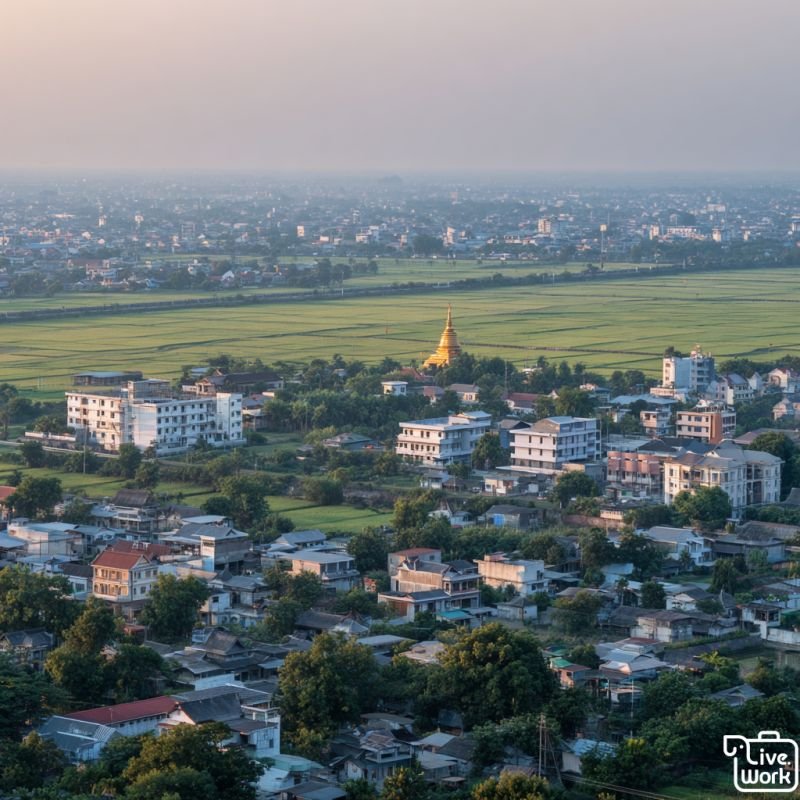
Isan 101: A Deep Dive into Thailand’s Most Overlooked Cultural Treasure
Northeastern Thailand — affectionately known as Isan — is one of the country’s most fascinating yet underexplored regions. While Bangkok, Phuket, and Chiang Mai dominate travel itineraries, Isan offers something profoundly different: an intimate look at authentic Thai life, deeply rooted traditions, multilayered identity, and some of the warmest communities in Southeast Asia.
Spanning 20 provinces and bordering Laos and Cambodia, Isan is a unique cultural crossroads shaped by Thai, Lao, and Khmer influences. Its languages, festivals, architecture, food, and social structures reflect a hybrid identity that is distinctly Isan — proud, resilient, and beautifully grounded.
🌾 A Cultural Identity Shaped by Thai, Lao & Khmer Roots
Isan’s history is a tapestry woven from diverse threads:
The Lao heritage that shaped most of its language, music, and food.
The Khmer legacy seen in ancient temples such as Phanom Rung and Phimai.
The Thai administrative traditions that connected Isan to the national framework.
This blend has created a culture that feels different from any other part of Thailand. You hear it in the language — Isan Lao spoken at home, Central Thai used formally — and see it in the architecture, from wooden stilt houses to Khmer stone sanctuaries. Even everyday customs, from how people greet each other to how communities gather, reflect this multicultural depth.
🥗 Isan Cuisine: Bold, Spicy & Deeply Communal
If you’ve eaten Thai food anywhere in the world, you’ve likely eaten Isan food. Dishes from this region form the backbone of modern Thai cuisine:
Som Tam (Papaya Salad) – spicy, sour, crunchy, endlessly customizable.
Larb & Nam Tok – boldly seasoned meat salads with mint, lime, chili, and toasted rice.
Sticky Rice (Khao Niao) – the soul of every Isan meal, eaten by hand and shared from a communal basket.
Gai Yang (Grilled Chicken) – smoky, tender, and marinated to perfection.
Isan food is not just a cuisine — it is a reflection of community-centered living. Meals are shared. Ingredients come from local farms or foraged from nearby forests. And flavor is celebrated as a form of identity, pride, and resilience.
🌱 A Region Built Around Agriculture & Sustainability
Agriculture is the lifeblood of Isan. For generations, families have relied on rice paddies, cassava fields, and sugarcane farms that follow seasonal rhythms. These landscapes shape daily life:
Villages organize around rice-planting cycles.
Festivals celebrate harvests, rain, and prosperity.
Local markets reflect what the land produces that week.
Community ties are strengthened by shared labor and shared harvests.
At its core, Isan is one of Southeast Asia’s most compelling grassroots sustainability models, where nothing is wasted and where traditions inspire modern eco-tourism and social enterprise initiatives.
🎉 Festivals that Reflect Deep Spiritual & Cultural Bonds
Isan’s festivals are among the most captivating in Thailand — vibrant, spiritual, often linked to farming and folklore:
Bun Bang Fai (Rocket Festival): villagers launch homemade rockets into the sky to ask the gods for rain.
Phi Ta Khon Festival: ghost masks, parades, and playful chaos celebrate the intersection of belief and legend.
Heet Sip Song: a yearly cycle of merit-making traditions that guide community life.
These festivals reveal what makes Isan so rich culturally — a deeply felt connection between land, spirituality, folklore, and communal harmony.
🏘️ Rural Life Built on Community, Collaboration & Resilience
In Isan, villages operate like extended families. Community values such as generosity, mutual support, and respect for elders remain central. The slower pace of life offers clarity, grounding, and a sense of belonging that many modern cities struggle to provide.
Traditional practices — weaving, rice farming, fermentation, herbal medicine — are not relics but active parts of daily life. Visitors often find themselves inspired by the simplicity, warmth, and resourcefulness that define the region.
🏙️ Modern Isan: Cities That Blend Progress With Tradition
Isan is not only rural. It is home to modern, well-developed cities such as:
Khon Kaen – a rising business hub with universities, hospitals, and tech ecosystems.
Udon Thani – a gateway to Laos with a growing expat community and aviation links.
Nakhon Ratchasima (Korat) – one of Thailand’s largest cities with retail, transport, and industry growth.
These cities offer affordability, infrastructure, and opportunity — without the overwhelming pace of Bangkok.
For remote workers, entrepreneurs, digital creatives, and long-term expats, Isan is becoming an appealing alternative due to:
Lower living costs
Stronger community spirit
Access to nature
Authentic cultural immersion
Growing coworking and startup spaces
Isan offers the rare combination of comfort, culture, and creativity — an environment that allows both personal and professional life to flourish.
❤️ Why Isaan Leaves a Lasting Impression
Isan is not a place you simply visit — it is a place that stays with you.
It is warm, resilient, humble, and deeply human.
Here, you learn how culture shapes identity.
How community creates resilience.
How tradition coexists with innovation.
And how a slower pace of life can open doors to clarity, creativity, and connection.
Exploring Isaan deepens your understanding of Thailand’s full story — not just its tourist-facing surface but its cultural heart.
Whether you’re a traveler seeking the “real Thailand,” an expat looking for a new home base, or a professional wanting to engage with meaningful grassroots initiatives, Isan offers endless possibilities.