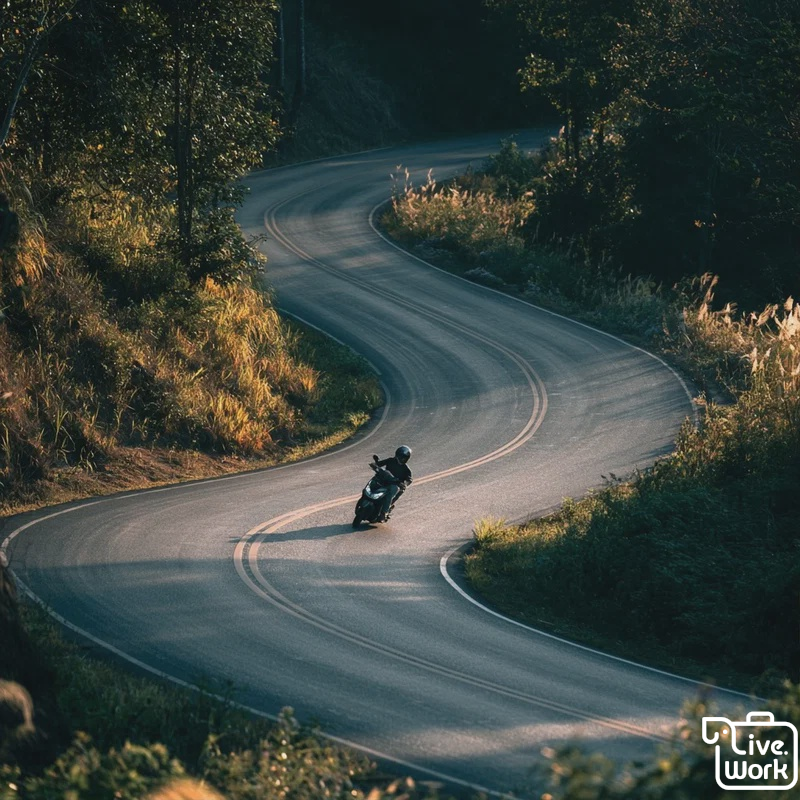
Chiang Mai to Pai Road Trip: Curves, Viewpoints, Coffee Stops, Motion-Sickness Tips, and a Slow Arrival in the Mountains
The road from Chiang Mai to Pai is famous for good reason. It is one of northern Thailand’s most memorable mountain journeys, winding from the urban comfort of Chiang Mai into the misty valleys and green hills of Mae Hong Son Province. The route is beautiful, but it is also a serious ride. It climbs, drops, bends, twists, and turns again and again, with long stretches of mountain road that can feel much longer than the map suggests.
This is not a journey to rush. The Chiang Mai to Pai road is best treated as part of the adventure rather than simply a transfer. If you approach it as something to “get over with,” the curves can feel exhausting. If you slow down, stop at viewpoints, plan proper breaks, and prepare for motion sickness, the road becomes a memorable introduction to Pai’s mountain atmosphere.
Pai itself is often reduced to a checklist of viewpoints, cafés, canyons, hot springs, and night markets, but the town is better than that when you give it time. The best arrival is not followed by a frantic sightseeing push. It is followed by a slow riverside walk, a soak in warm water, a small café stop, an easy dinner, and maybe live music after dark. The journey to Pai is intense enough. Once you arrive, let the town soften the pace.
Why the Chiang Mai to Pai Road Feels So Dramatic
The Chiang Mai to Pai route is famous because it changes constantly. One moment you are leaving city traffic behind, and soon the road begins to climb into northern Thailand’s mountain landscape. The air feels cooler, the hills become greener, and the road starts to fold into itself. Curves arrive one after another, sometimes gently, sometimes sharply, sometimes with steep climbs or descents that require full attention.
This is what makes the road both beautiful and demanding. The same curves that create the scenic drama also make the journey tiring for passengers and serious for drivers. The route can be paved and manageable, but that does not make it easy. Mountain roads require patience. Rain, fog, local traffic, slow trucks, vans, scooters, and occasional road surface changes can all affect the pace.
The mistake is trusting the map too much. The distance does not tell the whole story. On flat roads, a journey may feel predictable. On the Chiang Mai to Pai road, time depends on stops, traffic, weather, driver confidence, and how well passengers handle the turns. Planning for a slower pace makes the trip much more comfortable.
Treat the Road as Part of the Trip
The best way to enjoy the road to Pai is to stop thinking of it as wasted travel time. This is not an airport transfer or a highway commute. It is a mountain journey through one of northern Thailand’s most iconic travel landscapes.
Viewpoints are not just photo stops. They are body resets. After long stretches of bends, stepping out of the vehicle, breathing cooler air, looking across misty valleys, and letting your inner ear settle can make the next section much easier. A short stop can completely change how you feel.
The same is true for coffee breaks. A pause in Mae Rim before the road becomes more serious, or a later stop around the Pong Duet hot springs area, helps break the journey into manageable sections. Instead of thinking, “I still have hours of curves ahead,” you experience the route as a sequence: city edge, first coffee, mountain stretch, scenic pullout, final winding approach, arrival in Pai.
That structure makes the journey calmer. It also gives you time to notice the landscape rather than only endure the motion.
Smart Stops: Coffee, Stretching, and Scenic Pullouts
A well-paced Pai road trip should include stops before you desperately need them. Waiting until someone feels sick, stiff, or overwhelmed usually means the break comes too late. It is better to stop early and often enough that everyone stays comfortable.
Mae Rim works well as an early coffee break if you are leaving from Chiang Mai and want to begin gently. It gives you a chance to settle into the day before the road becomes more mountainous. A coffee, water, and light snack can make the first part of the journey feel organized rather than rushed.
Farther along the route, the area around Pong Duet hot springs can serve as another useful pause, depending on your exact route timing and whether you want a longer nature stop. Even if you do not fully visit the hot springs, the idea is the same: build in a break somewhere that lets you walk, stretch, use the restroom, and reset before continuing.
Roadside scenic pullouts are especially helpful before the final windy push into Pai. These stops do not need to be long. Five or ten minutes can be enough. Step out, look across the hills, roll your shoulders, breathe slowly, drink water, and avoid immediately staring back at your phone. The point is to let your body recover from the curves.
Motion Sickness: Prepare Before the Ascent
The Chiang Mai to Pai road is one of those routes where motion sickness should be taken seriously. Even travelers who normally feel fine in vehicles may notice the constant turns. If you are prone to nausea, the best strategy is prevention before the mountain section begins.
Choose your seat carefully. Sitting near the front of a van or car can help because you can see the road ahead and anticipate movement. Looking toward the horizon or through the windshield is usually better than looking down. Scrolling on a phone, reading, or editing photos during the curvy section can make symptoms worse because your eyes and inner ear receive conflicting signals.
A light meal is usually better than a heavy breakfast. You want enough food in your stomach to feel stable, but not so much that digestion becomes uncomfortable. Ginger candy, ginger tea, motion-sickness bands, or motion-sickness medication may help some travelers. If you use medication, follow the label instructions and take it early enough to work before the curves begin.
Hydration matters too. Small sips of water are better than gulping a large amount at once. Fresh air during stops helps. So does not pretending you are fine when you are not. If you begin to feel queasy, ask for a break early. Waiting usually makes recovery harder.
A Comfortable Chiang Mai to Pai Journey Flow
| Part of the Journey | Atmosphere | Best Focus |
|---|---|---|
| Leaving Chiang Mai | Practical and transitional, with city traffic gradually giving way to greener northern roads. | Start early, avoid rushing, keep water accessible, and settle into the idea that the journey itself is part of the trip. |
| Mae Rim Coffee Break | Calm and useful before the mountain road becomes more serious. | Stop for coffee, a light snack, and a short stretch so everyone begins the climb feeling settled rather than tense. |
| Mountain Curves | Beautiful but demanding, with constant bends, climbs, descents, and changing views through forest and hills. | Drive slowly, avoid phone scrolling, sit toward the front if prone to motion sickness, and keep your eyes on the road or horizon. |
| Pong Duet Area or Mid-Route Pause | Restorative and practical, offering a chance to reset the body after the first long stretch of curves. | Walk around, use the restroom, sip water, and take a longer pause if anyone feels queasy or tired. |
| Scenic Pullout | Misty, open, and refreshing, with valley views and mountain air helping the journey feel less intense. | Step out, stretch, breathe, take photos calmly, and give your body a few minutes before the final winding approach. |
| Final Push into Pai | Winding and anticipatory, with the landscape opening toward Pai’s valley after the most demanding sections. | Stay patient, avoid speeding near the end, and arrive with enough energy for a slow first evening rather than a packed sightseeing plan. |
Driving, Vans, and Motorbikes: Choose Comfort Over Ego
There are several ways to travel from Chiang Mai to Pai, and each changes the experience. A shared van is practical and common, but it can feel difficult for motion-sensitive travelers because you do not control stops or driving style. A private car or driver is more comfortable because you can pause at viewpoints and coffee stops when needed. Riding a motorbike or scooter gives independence, but it should only be considered by properly licensed, experienced adult riders who are confident on mountain roads.
The road is not the place to learn. The curves, slopes, changing weather, and traffic require real riding ability. Even confident riders should go slowly, wear a helmet, avoid riding at night, and be extra cautious after rain. Shaded corners can hide damp patches, sand, leaves, or potholes. The view may be beautiful, but the road deserves full attention.
For many travelers, hiring a driver is the best balance. It gives you flexibility without the stress of navigating every curve yourself. You can stop for coffee, viewpoints, photos, and body resets, while still arriving safely and comfortably.
The best choice is not the most adventurous one. It is the one that lets you arrive in Pai feeling good.
Arriving in Pai: Do Not Turn It Into a Checklist Immediately
After the road, Pai is best entered slowly. It can be tempting to arrive, drop bags, rent a scooter, and start chasing viewpoints immediately. But the journey itself is intense enough that the first few hours should be gentle.
Check in, take a shower, drink water, and let your body settle. Then go for an easy walk rather than a major excursion. The riverside is ideal in golden hour because it gives you movement without pressure. Pai’s light becomes softer in the late afternoon, and the town begins to shift toward evening. Cafés, guesthouses, small bridges, local lanes, and relaxed restaurants all feel more welcoming when you are not rushing.
This first evening is also the right time to understand Pai’s atmosphere. The town has a traveler energy, but it is not only a backpacker stop or a photo destination. Its real charm comes from the mix of mountain scenery, slow cafés, hot springs, live music, riverside walks, and countryside roads.
Hot Springs: The Best Recovery After the Road
A hot spring soak is one of the best ways to recover after the Chiang Mai to Pai journey. The warm water helps shift the body out of travel mode, especially after hours of turns, tension, and sitting. Pai’s surrounding area has several hot spring options, and choosing one depends on timing, comfort, and how local or developed you want the experience to feel.
The best time is often morning or late afternoon, when the heat is more manageable. A hot spring should not be rushed. Bring water, move slowly, and do not stay in water that feels too hot for too long. The point is relaxation, not endurance.
Hot springs also help change the tone of your Pai stay. Instead of jumping straight into the social scene or viewpoint circuit, you begin with something restorative. That sets the right mood for the town.
Pai Beyond the Photo Checklist
Pai has famous photo spots, and some are worth visiting, but the town becomes more rewarding when you stop treating it like a checklist. Pai Canyon, viewpoints, bridges, cafés, and hot springs all have their place, but the best memories often happen between them.
A slow café morning can be as satisfying as a viewpoint. A riverside walk at golden hour can feel better than another rushed attraction. A small live music venue at night can reveal more of Pai’s character than a crowded sunset stop. A quiet backroad ride through villages and fields can become the highlight of the day if you move slowly and respectfully.
Pai rewards travelers who leave space. It is a town where you can plan one main activity and let the rest of the day unfold. That might mean hot springs in the morning, café time in the afternoon, and live music at night. Or it might mean a short nature ride, a riverside walk, and an early sleep. The quieter version is often the better one.
A Slow First Day in Pai After the Road
| Part of Arrival Day | Atmosphere | Best Focus |
|---|---|---|
| Check-In and Reset | Slow, relieved, and grounding after the winding mountain road. | Drink water, unpack lightly, shower, and avoid immediately rushing into a full sightseeing plan. |
| Golden-Hour Riverside Walk | Soft, warm, and calm, with the town easing into evening and the river adding a gentler rhythm. | Walk slowly, enjoy the light, take simple photos, and let your body recover from the journey. |
| Small Café or Easy Dinner | Relaxed and personal, with Pai’s café culture and casual food scene helping the town feel welcoming. | Choose somewhere simple, eat lightly if you still feel travel-sensitive, and avoid overloading the first night. |
| Live Music at Night | Social but easygoing, with small venues, relaxed travelers, and a softer mountain-town nightlife mood. | Listen for a while, keep the evening moderate, and rest early enough to enjoy Pai’s morning scenery the next day. |
Exploring Pai’s Backroads Calmly
Pai’s countryside is one of its biggest pleasures. The area around town has villages, fields, forest edges, cafés, small bridges, hot springs, waterfalls, and viewpoints. Exploring these places slowly gives you a better sense of Pai than only visiting the most photographed stops.
A scooter can be useful for adult travelers who are properly licensed and experienced, but it should never be rented casually. Pai’s roads can be narrow, uneven, wet, dusty, or unexpectedly busy near popular spots. Riding slowly is essential. A helmet is non-negotiable. If you are not confident, hiring a driver is a much better choice.
A driver lets you enjoy the scenery without managing every road surface or direction. This is especially useful for calmer days when the goal is not adventure riding but quiet exploration. You can hop between hot springs, cafés, viewpoints, and village roads without turning the day into a stressful navigation exercise.
The best backroad day has room for pauses. Stop for coffee. Watch rice fields if they are green. Let a viewpoint be enough. Return before dark. Pai’s countryside is most enjoyable when you do not chase it too hard.
What to Pack for the Chiang Mai to Pai Road
The journey is easier when your essentials are close rather than buried in luggage. You want comfort items for the road, motion-sickness support, and simple layers for changing mountain weather.
| Item | Why It Helps | Best Use During the Trip |
|---|---|---|
| Water Bottle | Long curves, mountain air, and warm weather can leave you dehydrated before you notice it. | Sip slowly throughout the journey, especially during stops, rather than drinking too much at once. |
| Motion-Sickness Support | The constant curves can trigger nausea even in travelers who usually feel fine on normal roads. | Use ginger candy, bands, or medication according to instructions before the mountain section begins. |
| Light Snack | A completely empty stomach can make some people feel worse, while heavy food can also be uncomfortable. | Choose something simple and non-greasy before or during a stop, such as crackers, fruit, or plain snacks. |
| Light Layer | Mountain air, air-conditioned vans, and evening arrival in Pai can feel cooler than Chiang Mai city. | Keep it accessible in your day bag rather than packed inside your main luggage. |
| Small Day Bag | Main luggage may be stored away, especially in vans or private transfers with bags in the back. | Keep water, phone, cash, motion-sickness items, tissues, and a light layer close to your seat. |
| Offline Map or Saved Route | Signal can vary in mountain areas, and having the route saved reduces stress. | Use it for tracking progress, identifying stops, and coordinating with a driver without relying fully on mobile data. |
Motion-Sickness Habits That Actually Fit the Road
Motion sickness advice is easy to give but harder to follow when the road keeps turning. The key is consistency. Sit where you can see forward. Keep your head relatively still. Avoid scrolling your phone. Do not read. Look through the front window or toward distant scenery when possible. Take slow breaths and use stops properly.
During breaks, avoid immediately bending over your phone. Stand upright, look at the hills, walk a little, and drink water. Give your body a few minutes to reset. If you feel well, do not use the break only for photos and then jump back in too fast. If you feel queasy, say so early and allow more time.
The final section into Pai can still feel demanding even if you handled the first part well. Do not assume you are “done” too soon. Stay mindful until arrival.
Evening in Pai: Keep It Easy
Pai’s evenings are one of the reasons travelers stay longer than planned. The town has night markets, small bars, live music, cafés, restaurants, and a relaxed social mood. But after the road from Chiang Mai, it is better to keep the first evening gentle.
A short walk, dinner, and live music are enough. There is no need to stay out late or cover every nightlife spot. Pai is better when you are rested enough to enjoy the next morning. Early light in the valley, quiet cafés, hot springs, and backroads all feel better after a proper night’s sleep.
This is especially important if you plan to ride or join a countryside trip the next day. Tiredness and mountain roads are a bad combination. Let the evening be enjoyable without making the next day harder.
A Calmer Second Day in Pai
The day after arrival is ideal for a slower exploration of Pai’s surroundings. Begin with breakfast or coffee, then choose one main nature activity. A hot spring soak works well if you want recovery. Pai Canyon or a viewpoint works well if you want landscape. A countryside drive through local villages and quiet backroads works well if you want atmosphere without crowds.
Do not try to combine everything. One hot spring, one café, one viewpoint, and one sunset may already be enough. Pai’s charm is not in how many locations you can mark on a map. It is in how relaxed you feel moving through them.
If riding a scooter is not the right choice, hire a driver. That decision can turn a stressful day into a calm one. You still see the scenery, but you do not need to worry about road conditions, parking, weather, or navigation.
Why the Journey and Pai Belong Together
The road to Pai and the town itself are connected. The journey is intense, curvy, scenic, and physically memorable. Pai is soft, social, rural, and slow. The contrast is what makes arrival feel so satisfying. You earn the calm by crossing the mountains.
That is why the best Pai trip does not try to separate transport from experience. The road is not only the way there. It is the beginning of Pai’s story: the curves, the mist, the valleys, the coffee stops, the body resets, the final descent, and the first moment you step into town.
Once you arrive, keep that same awareness. Move slowly. Let the valley breathe. Enjoy the cafés, riverside, hot springs, backroads, and music without turning everything into content or a checklist.
Conclusion
The Chiang Mai to Pai road trip is famous because it is both beautiful and demanding. Its hundreds of curves, mountain climbs, misty valleys, and constant changes make it one of northern Thailand’s most memorable journeys, but it deserves a slower pace than the map suggests. Plan smart stops in Mae Rim, around the Pong Duet area, and at scenic pullouts so your body can reset before the next stretch. If you are prone to motion sickness, sit near the front, keep your eyes on the horizon, avoid scrolling, and prepare before the ascent begins. Once you arrive, let Pai be more than a photo checklist. Soak in hot springs, walk the riverside at golden hour, explore small cafés, listen to live music, and choose careful backroad exploration by licensed scooter riding or a hired driver. The best Pai experience begins with respecting the road and continues by slowing down when you finally reach the valley.