Nakhon Ratchasima (Korat): The Gateway to Isan and a City That Feels Grounded, Lively, and Proudly Local
Often referred to as the gateway to northeastern Thailand, Nakhon Ratchasima—better known as Korat—is far more than a stopover on the map. It’s a full-fledged regional hub where modern Thai city life meets the deeply rooted culture of Isan. Arrive here, and you’ll immediately sense the difference: the pace is calmer than Bangkok, the interactions warmer, and the city’s identity unmistakably its own.
Korat doesn’t try to impress with spectacle. Instead, it draws you in through rhythm—steady mornings, energetic evenings, and a daily flow that feels both functional and human.
A City That Moves to an Isan Rhythm
Life in Korat unfolds differently than in Thailand’s larger metropolitan centers. Mornings begin gently. Cafés open early, markets hum rather than roar, and streets feel purposeful without feeling rushed. As the day progresses, the city builds energy—students heading to class, office workers filling lunch spots, and vendors setting up for the evening rush.
This rhythm reflects Isan culture itself: practical, social, and grounded. Korat is busy, but rarely frantic. It’s a city where people take time to talk, eat together, and maintain strong ties to family and community.
Markets, Food, and the Soul of Isan
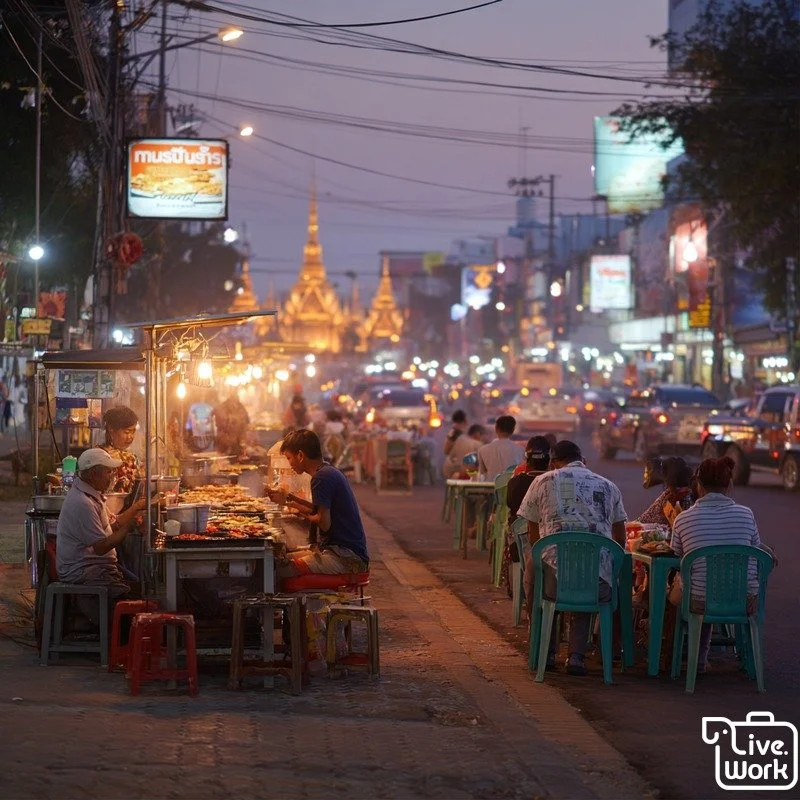
If you want to understand Korat, start with its food. Markets are central to daily life, and they’re rich with the flavors Isan is famous for. The air is often scented with smoke from grills turning out gai yang (grilled chicken), while vendors prepare som tam with a practiced rhythm—pounding chilies, lime, and fermented fish sauce in clay mortars.
Sticky rice appears everywhere, carried home in small woven baskets or eaten on the spot with spicy dips and meats. These markets aren’t designed for tourists; they’re designed for locals, which makes them one of the most authentic experiences the city offers.
Food here is bold, social, and deeply tied to identity.
Modern Korat: Malls, Cafés, and Universities
Alongside its traditional side, Korat is undeniably modern. Large shopping malls anchor different parts of the city, offering everything from global brands to local eateries. Cafés—often student-driven and creatively designed—reflect the presence of multiple universities that keep the city young and dynamic.
These institutions bring:
A steady flow of students and academics
Cultural events, exhibitions, and talks
An openness to new ideas alongside tradition
The result is a city that feels future-facing without losing its roots.
Ya Mo and the Pride of Korat
At the heart of Korat’s identity stands Thao Suranari Monument, dedicated to the city’s most revered historical figure. Known affectionately as Ya Mo, Thao Suranari symbolizes bravery, loyalty, and local pride.
The monument is more than a landmark—it’s a living cultural focal point. Locals regularly stop to pay respects, offer garlands, and share stories passed down through generations. Festivals and ceremonies tied to Ya Mo reinforce Korat’s strong sense of collective memory and regional pride.
This connection to history isn’t abstract; it’s actively lived.
Silk, Storytelling, and Isan Craft Traditions
Beyond monuments and food, Korat is closely linked to traditional crafts, especially silk weaving. Patterns, colors, and techniques vary by community, each telling stories about place, belief, and history. These traditions aren’t museum pieces—they’re part of everyday life, worn at ceremonies and passed on within families.
Cultural festivals throughout the year celebrate music, dance, storytelling, and regional identity, offering visitors insight into Isan values that emphasize resilience, humor, and togetherness.
Korat as a Base: Nature Just Beyond the City
One of Korat’s biggest advantages is what lies just outside it. A short drive takes you into cooler, greener landscapes—most famously Khao Yai National Park. Here, forests replace traffic, viewpoints open onto rolling hills, and waterfalls offer a refreshing contrast to city life.
Day trips from Korat can include:
Scenic viewpoints and nature trails
Temples tucked into hillsides
Vineyard areas and countryside cafés
This proximity makes Korat an ideal base for those who want both urban convenience and easy access to nature.
Living, Studying, or Staying Longer in Korat
For students, professionals, and long-term residents, Korat offers a lifestyle that feels sustainable. Living costs are generally lower than in Bangkok, commuting is manageable, and daily life feels less compressed. The city provides what you need—education, healthcare, shopping, culture—without overwhelming scale.
Perhaps most importantly, Korat offers genuine Isan warmth. People are open, curious, and proud of where they come from, making it easier for newcomers to feel welcome rather than anonymous.
Conclusion
Nakhon Ratchasima isn’t just the gateway to Isan—it’s a destination in its own right. With its blend of traditional markets, modern energy, cultural pride centered around Ya Mo, and easy access to Khao Yai’s green landscapes, Korat delivers a grounded, authentic Thai city experience. Whether you’re visiting, studying, or considering a longer stay, Korat offers a balanced way of life shaped by Isan warmth, community, and quiet confidence.