Chiang Rai to the Golden Triangle: A Slow Day Trip of River Views, Border History, and Meaningful Stops
A day trip from Chiang Rai to the Golden Triangle works best when you treat it less like a sightseeing checklist and more like a slow journey toward one of northern Thailand’s most atmospheric border landscapes. The destination is famous because it sits around the meeting point of Thailand, Laos, and Myanmar, where the Ruak and Mekong rivers converge near Sop Ruak in Chiang Saen District. From Chiang Rai city, the area is roughly 70 kilometers north, commonly described as about a 1–1.5 hour drive, though a more relaxed day with viewpoints, temple stops, coffee breaks, and photo pauses can easily feel closer to 1.5–2 hours each way.
The mistake many visitors make is trying to squeeze too much into the day. The Golden Triangle has viewpoints, riverside cafés, boat options, temples, small museums, market areas, and scenic roads nearby. If you rush through all of them, the trip can start to feel like a commute with brief photo stops. If you choose two or three meaningful places and give yourself time to sit by the river, the same route becomes calm, reflective, and surprisingly memorable.
Why the Golden Triangle Feels Different
The Golden Triangle is not just a viewpoint. It is a place where geography, trade, migration, and history meet in a very visible way. Standing by the rivers, you can look across the water toward neighboring countries and feel how connected this region has always been. The Mekong is not simply a scenic backdrop here; it is the main character. It has carried people, goods, stories, and cultural influences through mainland Southeast Asia for generations.
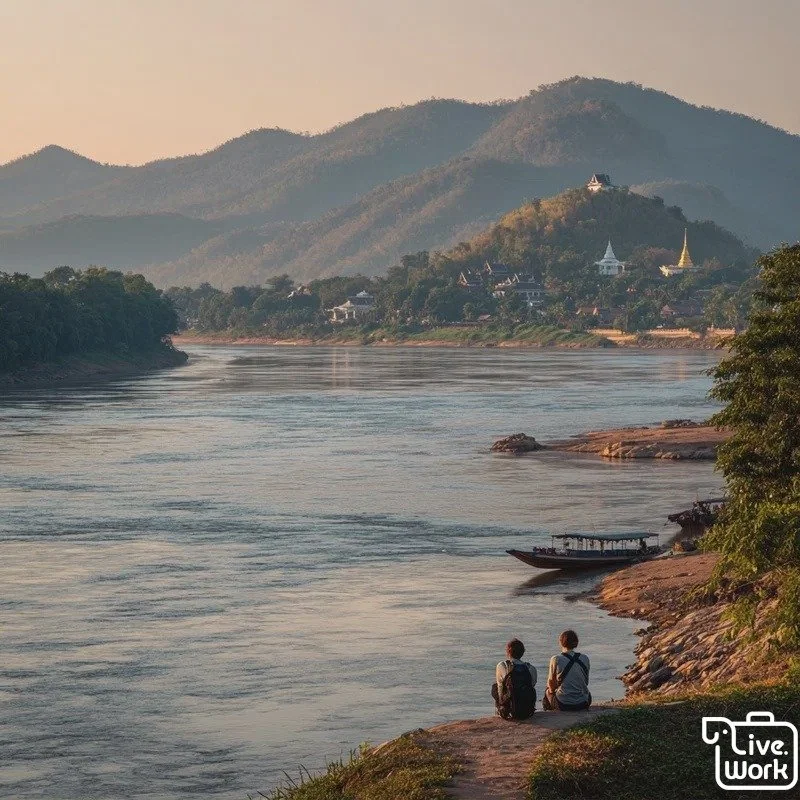
The most famous view is the point where the Ruak River meets the Mekong, creating the symbolic meeting place of three countries. Many travelers come for the classic “three countries in one view” photo, and that moment is worth having. But the quieter value of the area comes when you stop looking only for the landmark and start watching the river itself. Boats move slowly across the water, clouds reflect on the surface, and the wide horizon gives the day a spacious feeling that is very different from Chiang Rai city.
Start Early and Keep the Day Light
The best way to enjoy the trip is to leave Chiang Rai early, ideally after breakfast but before the day becomes hot and busy. An early departure gives you softer light on the roads, more comfortable temperatures at viewpoints, and enough flexibility to pause without worrying about the return drive.
A relaxed structure might begin with the drive north toward Chiang Saen and Sop Ruak, followed by a first riverside viewpoint while the area is still relatively quiet. From there, you can choose whether the day should lean more toward history, scenery, or slow travel. For most visitors, the strongest itinerary is not the longest one. It is the one that leaves room between stops.
A simple day might include one viewpoint, one cultural or museum stop, and one long riverside lunch. That combination gives you the essentials: the landscape, the context, and the atmosphere.
The Viewpoint: The Classic Moment, Done Slowly
The Golden Triangle viewpoint is the obvious first stop, and it is popular for good reason. This is where you get the visual orientation of the region: Thailand behind you, Laos and Myanmar across the river systems, and the Mekong stretching wide through the landscape. The viewpoint area itself is generally easy to access, and the main viewpoint is commonly listed as free to visit.
The key is to avoid treating it as a five-minute photo stop. Pause long enough to understand what you are seeing. Watch how the water moves, how boats cross the river, and how the landscape opens beyond the immediate tourist area. Some travelers enjoy the busier viewpoint because it gives them the iconic sense of arrival. Others may prefer to wander slightly away from the most commercial corners and find a calmer angle along the river.
Both approaches are valid. The difference is intention. If you want the must-see photo, take it. Then put the camera down for a few minutes and let the place feel less like a marker on a map and more like a living border region.
Adding Context: Hall of Opium or a Smaller Local Museum
A trip to the Golden Triangle becomes much richer when you include some historical context. The area is closely associated with the region’s complicated past, and museums on the Thai side help explain that history in a structured, educational way. The Hall of Opium at Golden Triangle Park is described by the Tourism Authority of Thailand as a museum with multiple exhibition sections, while local travel sources distinguish it from the smaller House of Opium nearby.
For a day trip, the Hall of Opium is the more substantial choice if you want depth. It gives the landscape historical weight and helps explain why this border region became internationally known. The smaller House of Opium, located in Sop Ruak village, can be a shorter alternative if you want a more compact stop; its own visitor information places it at 212 Moo 1, Tambon Wiang, Chiang Saen District, near the Golden Triangle area.
This kind of stop is best approached with time and seriousness. It is not just a break from the sun; it is a way to understand the human stories, social consequences, and regional changes behind the name “Golden Triangle.” For a balanced day, one museum is enough. Choose one, spend enough time to absorb it, and then return to the riverside with a deeper understanding of what you are looking at.
Temples and Quiet Cultural Stops
If you prefer a lighter cultural stop, a small local temple can add a peaceful pause without taking over the entire itinerary. The Golden Triangle area includes nearby religious and viewpoint sites such as Wat Phra That Pu Khao, which is listed close to the House of Opium and associated with Golden Triangle viewpoints.
A temple stop changes the mood of the day. Instead of moving from viewpoint to viewpoint, you get a moment of stillness. Bells, incense, shaded courtyards, and river views create a softer rhythm. This is especially valuable if the main viewpoint feels too busy or commercial. Temples in this region often provide both cultural grounding and a quieter vantage point.
As always in Thai temple areas, dress modestly, speak softly, and move with awareness. A temple is not just a scenic stop; it is an active religious space.
The Secret Highlight: Lunch by the River
The most memorable part of the day may not be the viewpoint or museum at all. It may be lunch.
A long riverside meal gives the Golden Triangle day trip its emotional center. Instead of eating quickly between attractions, choose a place where you can sit facing the water. Let the boats pass, order something simple, and allow the pace to drop. This is where the trip stops feeling like transportation and starts feeling like a getaway.
The food does not need to be complicated. Fresh river fish, Thai stir-fries, noodle dishes, grilled items, and iced drinks all feel better with the Mekong in view. A slow lunch also gives the day structure. It creates a natural pause between the outward journey and the return, helping you avoid the common mistake of arriving, taking a photo, and immediately driving back.
Boat Rides: Worth It If You Want the River Perspective
Boat trips on the Mekong are commonly offered in the Golden Triangle area, with local travel guides describing short river trips as one of the core activities alongside the viewpoint and museums. Reported prices and availability can vary, so it is worth checking locally on the day rather than building a tight schedule around a fixed expectation.
A boat ride changes your perspective. From land, the river is something you look across. From the water, it becomes something you move through. The cliffs, banks, and borders feel less abstract, and the sense of regional connection becomes clearer.
That said, a boat ride is not essential for everyone. If the weather is hot, if the river is busy, or if you prefer stillness, a shaded riverside lunch may be more rewarding. The best choice depends on your energy level and the atmosphere you want.
A Relaxed Day Trip Structure
A Golden Triangle day should feel spacious. The following table gives a simple structure that keeps the experience balanced without overloading the route.
| Part of the Day | Atmosphere | Best Focus |
|---|---|---|
| Early Morning Departure | Cooler air, softer light, quieter roads | Leave Chiang Rai early and enjoy the drive north without rushing or crowd pressure. |
| Late Morning Viewpoint | Open river views and classic Golden Triangle scenery | Pause at a riverside lookout to see the Mekong and Ruak river area, take photos, and actually spend time observing the landscape. |
| Midday Cultural Stop | Reflective, contextual, slower-paced | Visit one museum or one small temple rather than trying to fit in every attraction nearby. |
| Long Lunch | Relaxed, scenic, restorative | Sit by the river, enjoy local food, and let the day feel like a real escape instead of a quick round trip. |
| Afternoon Return | Flexible and unhurried | Leave room for an unplanned coffee stop or photo pause on the way back to Chiang Rai. |
Choosing Between “Must-See” and “Quiet”
The Golden Triangle has two personalities. One is the famous version: the landmark, the viewpoint, the three-country photo, the symbolic geography. The other is quieter: riverbanks, local temples, slow meals, and the feeling of watching life continue along a border that has seen centuries of movement.
If this is your first visit, it makes sense to include the classic viewpoint. But the day becomes more personal when you balance it with a quieter experience. That could be a temple courtyard, a shaded riverside café, a small museum, or simply ten minutes standing away from the main photo area.
The best itinerary is not the one with the most stops. It is the one that gives you something to remember beyond the photo.
Getting There and Moving Comfortably
Independent travel is possible, but the easiest option is usually a private car or taxi for the day, especially if you want flexibility for viewpoints, lunch, and side stops. Some public transport connections exist toward Chiang Saen, with onward local transport needed for Sop Ruak; the House of Opium visitor information describes routes involving Chiang Rai to Chiang Saen and then local transport toward Sop Ruak village.
For most travelers, the value of a private vehicle is not luxury—it is pacing. You can start early, stop where the light looks good, spend longer at lunch, and skip places that do not fit your mood. The route is part of the experience, so it helps not to feel locked into someone else’s schedule.
What to Bring for a Comfortable Day
A Golden Triangle day trip is easy, but the sun and distances can still make it tiring. Bring water, sun protection, and light clothing that keeps you comfortable during warm roadside stops. If you plan to visit temples, wear clothing that covers shoulders and knees or carry a light layer. Small cash is useful for local vendors, small cafés, and casual stops.
A camera is worth bringing, but the best photos often come when you are not rushing. Wide river views, boats moving through afternoon light, temple details, and quiet roadside scenes all reward patience.
Conclusion
A day trip from Chiang Rai to the Golden Triangle is most rewarding when you slow it down. The region’s appeal is not only the famous meeting point of Thailand, Laos, and Myanmar, but the atmosphere around it: wide rivers, quiet temples, layered history, and the gentle rhythm of life along the Mekong. By choosing two or three meaningful stops, building in a long riverside lunch, and leaving space for an unplanned coffee break on the way back, you turn the journey into something more than a sightseeing run. You give the place enough time to become memorable.